


More news on this day
All flights at Guernsey Airport were canceled on Thursday evening after a bank of persistent fog reduced visibility, forcing diversions to UK airports and leaving visitors and residents facing overnight disruption.
Get the latest news straight to your inbox!
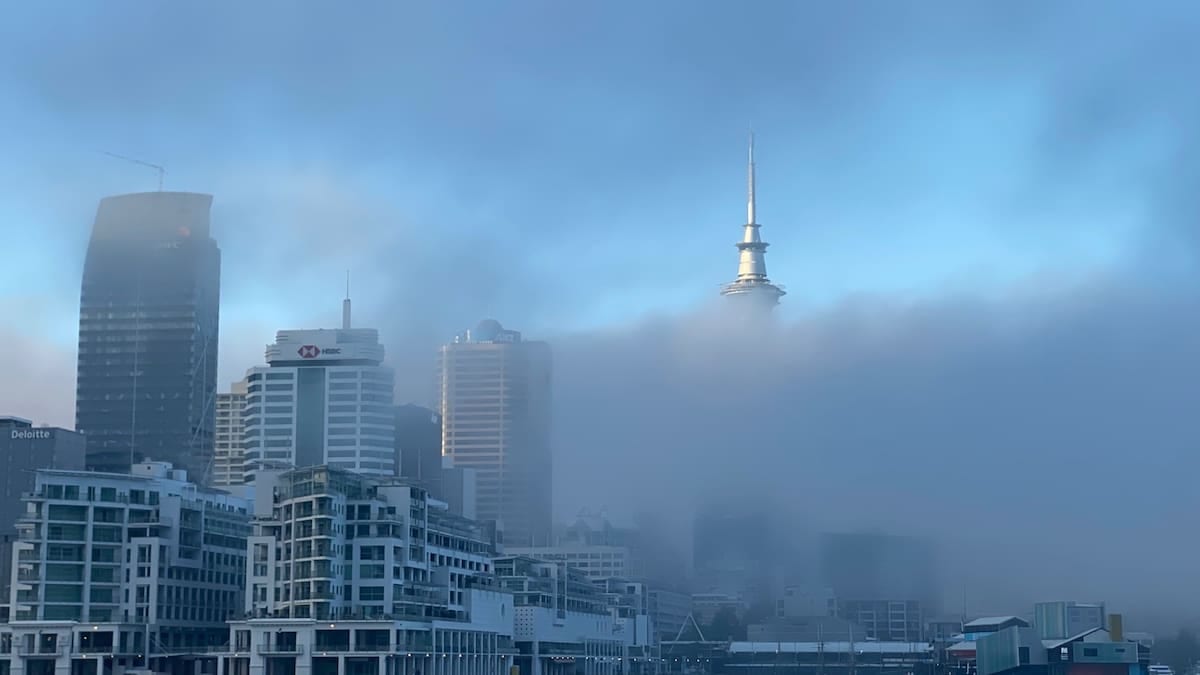
Dense fog brings Guernsey Airport to a standstill
Published coverage from regional outlets indicates that Guernsey Airport suspended all remaining flights on Thursday evening as low cloud and thick fog settled over the Channel Island. The poor visibility meant arriving aircraft could not safely land and departing services were unable to operate within required safety margins.
Reports describe the fog as persistent, with conditions deteriorating through the afternoon before prompting a full cancellation of evening operations. The disruption coincided with a busy period for inbound and outbound travel, amplifying the impact on passengers already on the island or attempting to reach it.
Flight tracking data shows that inbound services were forced to divert to airports in the United Kingdom, leaving some travelers unexpectedly stranded on the mainland while others remained on Guernsey awaiting alternative arrangements. Several services that had been due to depart later in the day were listed as canceled rather than delayed, reflecting uncertainty over when visibility would improve.
Public information from the airport emphasizes that safety requirements around instrument approaches in low visibility conditions leave operators with limited flexibility. Even modest changes in cloud base or runway visual range measurements can determine whether flights are allowed to land or take off.
Accommodation and onward travel under pressure
According to published coverage from Guernsey-focused news outlets, the wave of cancellations placed immediate pressure on accommodation across the island. The airport, tourism authorities, and airlines worked together to help passengers secure hotel rooms where possible, but the high number of visiting travelers meant available capacity was tight.
Travel forums and local reports suggest that some visitors struggled to find last-minute rooms close to the airport, particularly those traveling with families or in larger groups. Others faced uncertainty over rebooked flights, with limited seat availability on subsequent services once operations resume.
Publicly available information indicates that emergency contingency measures were activated at the airport to assist travelers who could not secure a bed for the night. These measures typically include providing rest areas and basic refreshments, although exact arrangements can vary by location and operator.
Passengers with time-sensitive connections, such as cruise departures or rail journeys from UK hubs, are likely to face the most complex rebooking challenges. Travel advisers generally recommend keeping all documentation, monitoring airline notifications closely, and contacting carriers directly to discuss re-routing options when weather-related cancellations occur.
Fog-related disruption a recurring aviation challenge
While the scale of Thursday evening’s cancellations at Guernsey Airport is notable, fog-related disruption is a recurring issue for airports situated near coasts or in areas prone to rapid changes in humidity and temperature. Historical data and aviation commentary show that low cloud and sea fog can form quickly, especially during seasonal transitions, catching travelers off guard.
In similar events at other regional airports, flight operations are often halted when visibility drops below thresholds required for precision approaches. Even airports equipped with advanced landing systems must adhere to strict safety minima for both pilots and air traffic controllers, and these thresholds vary by runway, equipment, and crew certification.
Travel resources regularly highlight fog as one of the more unpredictable weather hazards, alongside thunderstorms and snow. Unlike strong winds or frontal systems, which can sometimes be forecast with greater spatial accuracy, local fog can linger over one airport while leaving neighboring facilities largely unaffected, complicating operational planning.
Industry-focused analysis notes that some carriers proactively adjust schedules during seasons when fog is likely, concentrating flights in time windows when visibility is historically better. However, as seen in Guernsey, even careful planning cannot fully prevent sudden, short-notice cancellations when conditions deteriorate rapidly.
What affected travelers can do next
Consumer travel guidance generally recommends that passengers hit by weather-related cancellations first confirm their booking status through airline websites or apps, then review rebooking options presented online before heading to the airport. In Guernsey’s case, reports indicate that airlines are working to consolidate passengers onto later services once fog lifts and normal operations can resume.
Travel rights in such situations differ by airline and jurisdiction, but weather disruptions are often treated as extraordinary circumstances, limiting eligibility for financial compensation under common regulatory frameworks. Even when compensation is not required, carriers may voluntarily provide meal vouchers or hotel support where practical, especially when a large number of travelers are stranded.
Specialist air travel advisers also stress the importance of travel insurance that includes coverage for weather-related delays. Policies can vary widely, but some products reimburse additional hotel nights or meals when a trip is disrupted by conditions such as dense fog, provided travelers keep receipts and documentation of cancellations.
For those with flexible itineraries, publicly available advice suggests considering alternative routes via nearby airports once visibility improves, particularly if connections through major UK hubs are critical. However, re-routing can involve extra ground transport costs and longer travel times, so travelers are encouraged to weigh these options carefully before making changes.
Outlook for conditions and ongoing monitoring
Local forecasts referenced in regional weather products indicate that the fog affecting Guernsey may persist into Friday morning, though gradual improvement is expected as winds shift and temperatures change. Aviation weather charts show that visibility can improve quickly once fog begins to lift, enabling airports to restore at least partial operations.
Airport status boards and airline alerts remain the primary tools for tracking the situation in real time. Publicly accessible flight information services list all Guernsey departures and arrivals as canceled for the affected evening period, with further updates expected as meteorological data is refreshed.
Travelers planning to fly to or from the Channel Islands over the next 24 hours are advised by a variety of travel resources to build extra time into their journeys, stay connected to airline communication channels, and avoid making nonrefundable onward bookings until their flight status is confirmed.
While the current disruption has created significant inconvenience for many, aviation safety specialists consistently stress that strict adherence to visibility minima is essential. Once conditions at Guernsey improve and runway visual ranges climb back above operational thresholds, airlines are expected to move quickly to clear backlogs and return schedules to normal.
Sources: BBC Guernsey coverage of Guernsey Airport fog disruption; Yahoo News report on Guernsey flight cancellations; UK Met Office aviation and visibility guidance; UK Civil Aviation Authority information on delays and cancellations