


More news on this day
Royal Caribbean Group is sustaining a powerful booking surge across its global fleet, while travelers gain more flexible ways to rebook, shift dates and apply credits as cruise prices and demand continue to climb.
Get the latest news straight to your inbox!
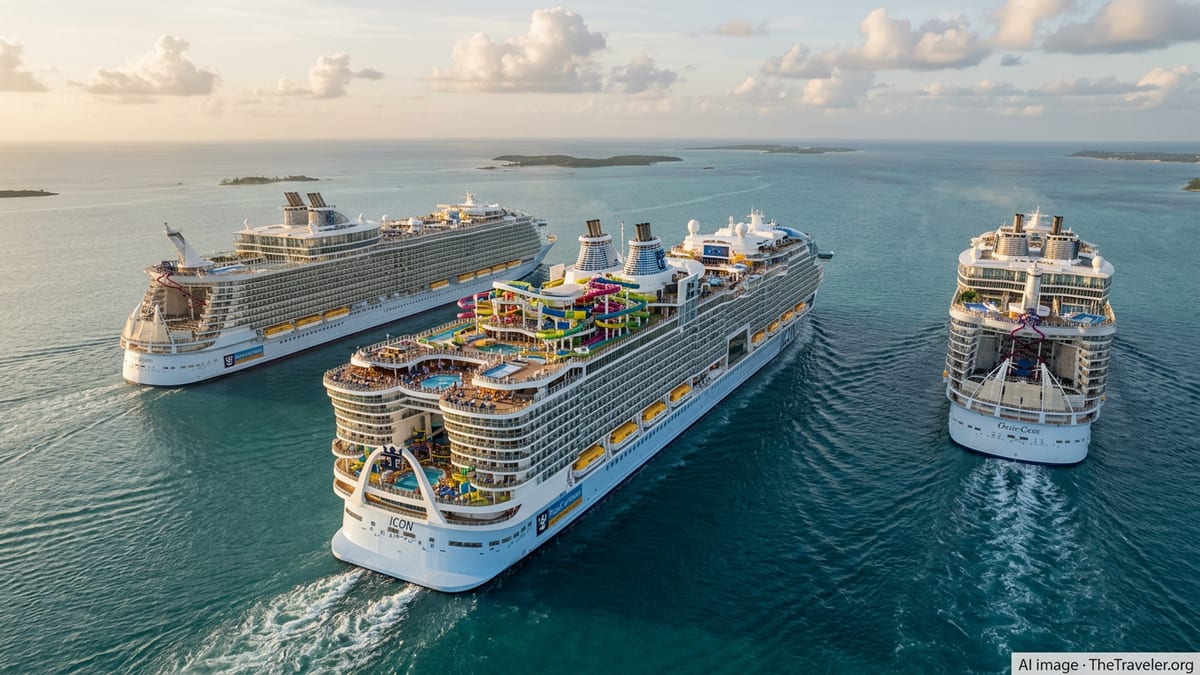
Record Demand Underscores Cruise Travel Momentum
Public filings and earnings materials show Royal Caribbean Group entering 2026 with one of the strongest booking backlogs in its history, supported by rising capacity and sustained consumer appetite for cruise vacations. Second quarter 2026 results indicate that capacity increased and the company carried about 2.4 million guests in the quarter, a 6 percent gain year over year, while remaining booked at record prices across its brands.
Earlier disclosures for 2024 highlighted how this momentum built over several peak “wave” booking seasons. Company updates in early 2024 described the first weeks of that year’s main sales period as the best in the group’s history, with booking volumes and pricing above 2023 levels and customer deposits reaching billions of dollars on the balance sheet. That trend has carried forward into 2025 and 2026 as new ships, expanded private-destination offerings and longer itineraries continue to attract both new-to-cruise and repeat guests.
Investor presentations and transcripts also emphasize the importance of the North American market, which accounts for the majority of Royal Caribbean’s guests and has remained particularly resilient. Caribbean, European and Alaska itineraries have all contributed to net yield growth, helping the company raise full-year guidance multiple times since 2024. The combination of higher occupancy, higher onboard spending and firm pricing has created a backdrop in which flexible booking and rebooking options are increasingly valuable to travelers trying to secure space on popular sailings.
Against this backdrop of elevated demand, travelers are showing more interest in tools that protect their investment if plans change. That interest has helped push the evolution of Royal Caribbean’s approach to rebooking and future cruise credits, which is now anchored in standard policies, more permanent credit options and expanded online self-service.
From Pandemic Flexibility to Long-Term Credit Power
Royal Caribbean’s modern rebooking environment has roots in the temporary Cruise with Confidence program introduced during the pandemic era. At that time, policy documents and archived program pages outlined how guests could cancel up to 48 hours before sailing and receive a Future Cruise Credit, rather than forfeiting their fare entirely. The goal was to reduce the risk of booking during a period of health-related uncertainty and changing travel rules.
While the promotional window for Cruise with Confidence has closed for new reservations, its legacy continues through Future Cruise Credits and the way they are handled today. Royal Caribbean’s current FAQ pages explain that these credits can typically be applied to new sailings by contacting the line or a travel advisor, with the value used toward a future booking when a guest is not able to travel on original dates. For many credits created during the height of disruptions, published guidance notes that they could be redeemed across a broad range of future departures.
A notable shift occurred in 2022, when Royal Caribbean publicly removed the expiration dates on many unredeemed Cruise with Confidence Future Cruise Credits. Cruise industry coverage at the time reported that credits issued under the program would no longer expire, giving guests more time to choose their next voyage instead of rushing to meet an arbitrary deadline. This change effectively transformed what began as a short-term cancellation measure into a longer-term rebooking tool that can still influence booking decisions today.
Travelers now use these credits to move to different departure dates, change itineraries or adjust cabin categories, often in response to shifting personal schedules or new offers. As fares rise on popular ships and dates, the ability to hold value in the form of a credit and redeploy it strategically has become part of how experienced cruisers manage their travel portfolios.
New Digital Features Make Rebooking More Self-Service
Alongside policy changes, Royal Caribbean has invested heavily in its digital ecosystem, creating more ways for guests to manage and rebook their travel without long phone calls. Company communications describing its mobile app strategy highlight how planning a cruise increasingly happens online, from check-in to dining reservations. That same infrastructure is gradually supporting more booking and rebooking actions as well.
Cruise community discussions and user reports in early 2026 point to new self-service options appearing on Royal Caribbean’s website accounts. Guests have described seeing tools that allow them to cancel certain sailings online or modify guest details directly in their bookings, functions that previously required contacting an agent or call center. These changes indicate a shift toward giving travelers more control over their reservations in real time.
Future Cruise Credit management is also being brought into this digital environment. Royal Caribbean’s program pages walk guests through how to locate FCC numbers, typically by searching email for dedicated notices, and then apply those credits during a new booking or through an advisor. Once applied, any remaining balance after a cruise can be reissued as a new credit according to published guidance, allowing value to follow the guest until it is fully used.
At the same time, third-party tools and price-tracking apps have emerged around Royal Caribbean’s sailings, reflecting demand from travelers who monitor fare changes and seek opportunities to rebook into better deals before final payment. While these apps are independent of the cruise line, their popularity shows how a strong booking environment encourages guests to stay engaged with pricing and rebooking options long after an initial deposit is made.
Rebooking Options Shape How Guests Respond to High Demand
With ships sailing at high occupancy and headline prices trending upward, flexible rebooking options are playing a larger role in how and when travelers commit to Royal Caribbean vacations. Guests who are able to move reservations when schedules change, or to pivot to a different ship or itinerary when new promotions appear, report using rebooking as a way to extract more value from a busy marketplace.
Travel blogs and community forums describe a pattern in which guests book early to secure preferred cabins or hard-to-get itineraries, then periodically check for lower fares or more attractive alternatives. If a better option appears before final payment, many work with travel advisors or Royal Caribbean representatives to reprice or switch reservations, sometimes upgrading their stateroom category with little additional cost. For guests holding Future Cruise Credits, this rebooking activity becomes even more dynamic because their sunk costs are already in credit form.
In recent years, policy commentary shared within the cruise community suggests that some of the most generous repricing and best price guarantee features tied specifically to Cruise with Confidence have been phased out for new bookings. Even so, travelers continue to report opportunities to adjust reservations prior to final payment, and in some cases receive onboard credit when prices shift closer to sailing. The practical result is that many experienced guests still treat Royal Caribbean bookings as somewhat fluid until closer to departure.
Industry analysts following Royal Caribbean’s financial results note that these behaviors coexist with the company’s strong revenue performance. The line remains booked at historically high levels, yet the ability to move bookings around has not dampened overall demand. Instead, flexible rebooking tools appear to support continued engagement with the brand, encouraging guests to keep future cruises on the calendar even when life circumstances require changes.
Future Outlook: Flexibility as a Competitive Advantage
Looking ahead, Royal Caribbean’s mix of strong demand and increasingly capable digital tools positions the company to compete not only on ships and itineraries, but also on how easy it is for guests to manage their travel. As new vessels debut and more destination experiences are added, the ability for guests to shift bookings, apply credits and handle most changes online is likely to become an important part of the brand’s value proposition.
Publicly available investor materials emphasize that demand for the group’s vacations remains robust, with forward bookings at record levels and onboard spending rising. For travelers, that environment means that desirable sailings can sell quickly and last-minute deals may be less common than in previous years. Flexible rebooking and credit options therefore act as a hedge, allowing guests to lock in trips earlier while preserving room to adjust later.
Royal Caribbean’s experience may also influence the wider cruise sector, as competitors weigh how much flexibility to build into their own rebooking policies and digital platforms. As cruisers grow accustomed to being able to move reservations and deploy credits more strategically, expectations for the broader industry are likely to shift as well.
For now, the combination of record booking trends and increasingly powerful rebooking options suggests that Royal Caribbean’s guests are not only sailing more, but also managing their cruise portfolios more actively. That dynamic, in turn, is helping sustain the travel surge that has reshaped the company’s outlook since 2024.
Royal Caribbean Group demand and guidance update
Royal Caribbean Group second quarter 2024 results