


More news on this day
Harbor Drive in downtown San Diego has fully reopened to traffic after a freight train derailment near Petco Park damaged a bridge and forced a week-long shutdown of one of the city’s key waterfront corridors.
Get the latest news straight to your inbox!
Busy waterfront artery returns to normal operations
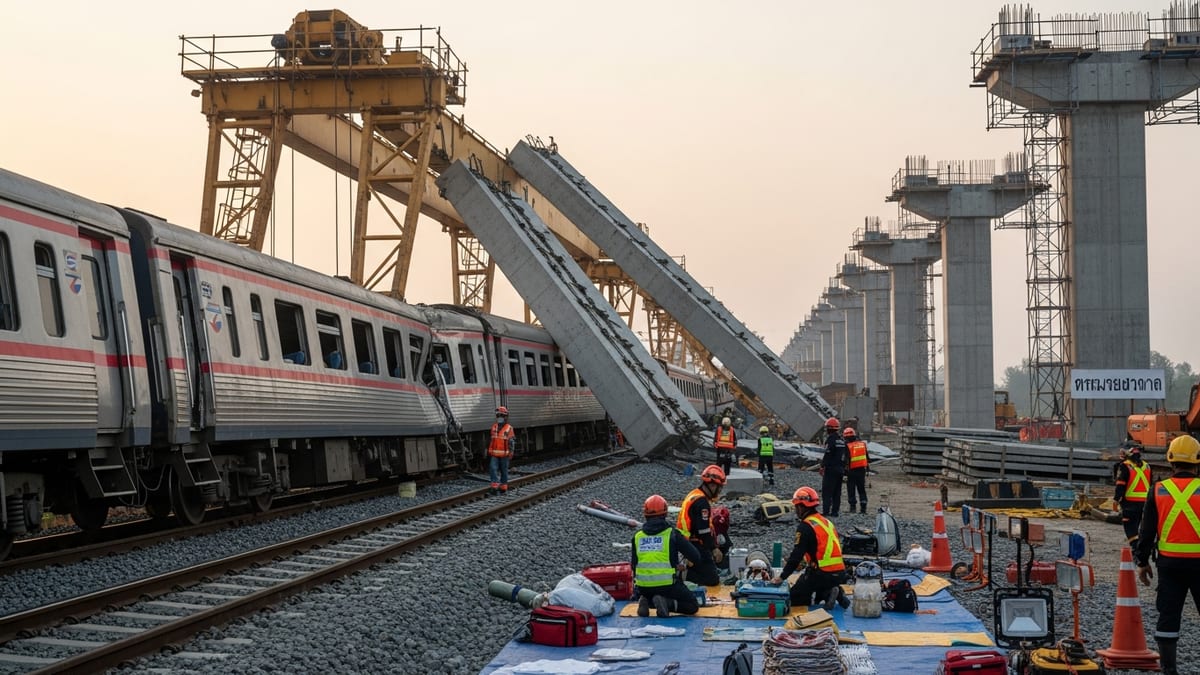
Traffic resumed along Harbor Drive over the weekend following emergency stabilization work on a rail bridge struck during the derailment. Publicly available information indicates that the reopening came roughly one week after several Burlington Northern Santa Fe freight cars left the tracks near the intersection with Park Boulevard, closing a stretch of roadway heavily used by commuters, port workers and visitors to the San Diego Convention Center and Petco Park.
Reports describe the incident as involving freight rail cars that veered off the tracks and damaged at least one bridge column supporting Harbor Drive. The closure affected lanes in both directions, prompting detours through surrounding downtown streets and slowing access to the Embarcadero, hotels and parking structures clustered along the bayfront.
According to published coverage, city crews and BNSF specialists spent several days removing derailed cars, inspecting the bridge and installing temporary support structures so vehicle traffic could safely resume. Officials have characterized the structure as stable for everyday use, while longer term engineering work proceeds in the background.
Local media accounts note that no injuries were reported and no hazardous materials release occurred, factors that allowed repair teams to focus on structural and traffic impacts rather than large scale environmental mitigation.
Week-long closure reshapes downtown traffic patterns
The shutdown of Harbor Drive highlighted its role as a primary east west route skirting San Diego Bay. The affected segment, running near Petco Park and the Convention Center, typically carries a mix of commuter traffic, port related trucks and visitors bound for waterfront attractions.
During the closure, drivers were diverted onto nearby streets including Market Street and Imperial Avenue, adding congestion in neighborhoods already dense with construction projects and event activity. Reports from local outlets and social media posts from residents described longer travel times around weekday rush hours and delays for people attempting to reach waterfront parking and hotel loading zones.
Transit riders experienced secondary effects as well. While rail operations continued on alternate tracks or in limited fashion during inspection periods, the loss of direct vehicle access to Harbor Drive encouraged some travelers to shift to trolley lines serving the ballpark and Convention Center area. Available coverage indicates that transit stops within walking distance of the closure absorbed some of the displaced demand.
Waterfront businesses, including restaurants and attractions along the Embarcadero, remained open but contended with changing traffic flows and wayfinding challenges. Some visitors arriving from out of town encountered unexpected detours as navigation apps adjusted to the blocked roadway.
Emergency stabilization completed, permanent repairs ahead
With Harbor Drive now open, focus is turning to the engineering and investigative work that will determine how the bridge is permanently repaired and how similar disruptions might be reduced in the future. Publicly available information from city channels indicates that temporary support structures have been installed beneath the damaged bridge column, allowing vehicles to cross while more detailed assessments continue.
Structural engineers are expected to study the extent of the impact, evaluate stress levels on adjacent supports and design a long term fix that can be implemented with minimal additional closures. Depending on the chosen approach, future work could require short term nighttime lane reductions or off peak closures so crews can access the site safely.
Rail infrastructure in the area is also undergoing review. Freight operations that pass beneath the Harbor Drive bridge form part of a corridor serving the Port of San Diego and regional freight customers. Investigators will examine the condition of the tracks, rolling stock, signaling and operational factors at the time of the derailment, in line with standard post incident procedures for freight rail events.
According to regional news reports, there is no public timeline yet for completion of a permanent bridge repair, though the interim supports are intended to maintain normal traffic while longer range work is planned and funded.
Travel implications for convention, ballpark and cruise visitors
The reopening of Harbor Drive carries particular significance for travelers heading to major downtown venues. The corridor provides front door access to the San Diego Convention Center, Petco Park, several large hotels and the cruise ship terminal area to the west, making it a critical route during large events and peak tourism periods.
In the short term, visitors arriving by car or rideshare can again use Harbor Drive to approach the Convention Center and nearby hotels, reducing the need for circuitous detours through the Gaslamp Quarter and East Village. Event planners and transportation guides that had begun flagging the closure are now updating their materials to reflect the restored access.
Travelers using transit will continue to find the San Diego Trolley as a practical option for reaching the waterfront district, particularly during heavy traffic days such as baseball games or major conventions. With the roadway back in service, coordination between rail operations, city traffic management and port activities remains important to avoid bottlenecks at key intersections.
For cruise passengers, shuttle buses and taxis once again have a more direct path between downtown hotels, the Santa Fe Depot rail station and the B Street Pier via Harbor Drive and parallel waterfront routes. Travel industry information suggests that this connectivity is especially important for same day connections between cruise departures, flights and long distance rail services.
Ongoing attention to rail safety in urban waterfronts
The Harbor Drive derailment and closure add to a broader pattern of infrastructure incidents that periodically disrupt key travel corridors in cities where freight rail lines run close to downtown streets and waterfront attractions. While this event did not involve hazardous cargo or injuries, the week long closure underscored how quickly a localized freight issue can ripple through a dense urban transportation network.
Transportation analysts point to the importance of regular track inspections, bridge maintenance and updated contingency plans in reducing the duration of such disruptions. In San Diego’s case, pre existing plans for detours, combined with rapid deployment of engineering teams, helped contain the impact to roughly one week, according to available reporting.
As investigations proceed, publicly available information indicates that city staff will continue collaborating with the rail operator on both the cause of the derailment and the design of a permanent repair for the damaged bridge support. Any future changes to operating speeds, inspection regimes or bridge protection systems may emerge from that process.
For travelers, the key development is that Harbor Drive has reopened ahead of the peak summer visitor season, restoring a familiar route along the bayfront and easing one of downtown San Diego’s most visible recent traffic pinch points.