


More news on this day
As extreme heat grips Central Texas with increasing regularity, many travelers at Austin–Bergstrom International Airport are asking whether soaring temperatures have ever forced airlines to delay or cancel flights strictly because it was too hot to fly.
Get the latest news straight to your inbox!
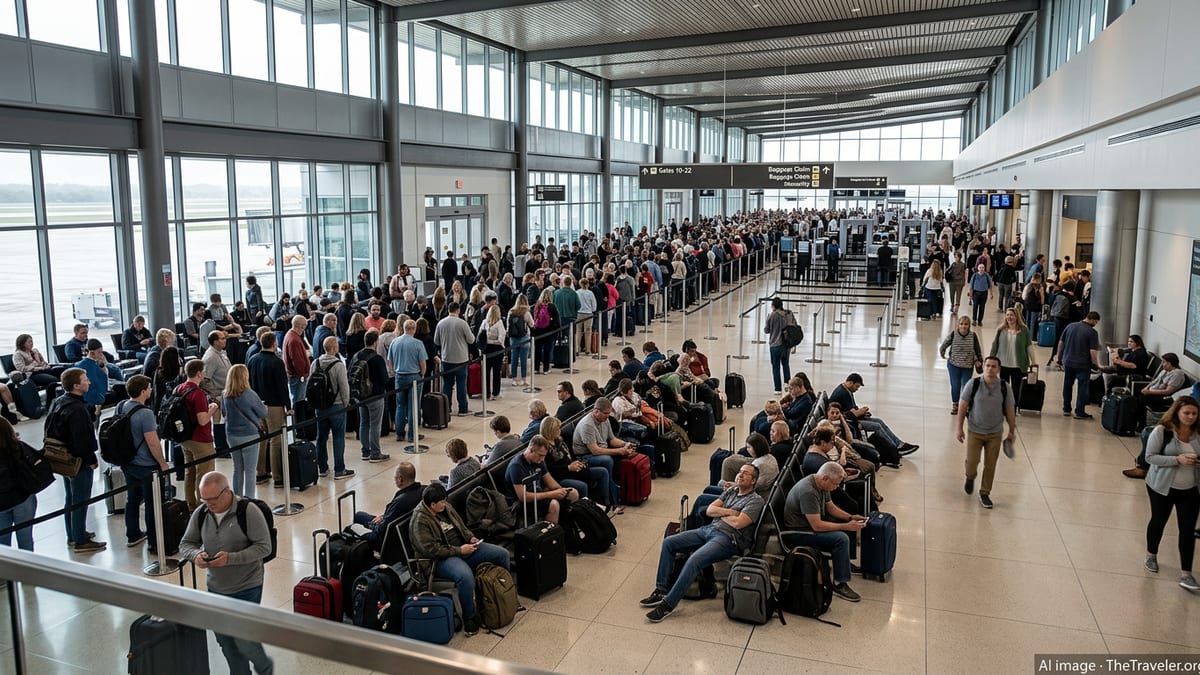
What Extreme Heat Does to Aircraft Performance
High temperatures thin the air around an aircraft, reducing lift and engine performance. Aviation research and industry coverage describe this effect through the concept of density altitude, which combines temperature, elevation and humidity into a single measure of how “thin” the air effectively is on a given day. In hotter conditions, planes require more runway, more power or less weight to take off safely.
Studies published in meteorological and aviation journals over the past decade note that extreme heat is already prompting more weight-restricted departures at vulnerable airports, particularly where runways are short or airfields sit at higher elevations. These analyses highlight locations such as Phoenix, Denver and some East Coast airports as the most exposed to heat-related performance limits, with airlines at times reducing passenger loads or cargo, or rescheduling certain flights to cooler parts of the day.
Industry reporting on recent heat waves shows that in the most extreme cases, especially when temperatures at desert airports approach or exceed 118 to 120 degrees Fahrenheit, regional jets with lower certified temperature envelopes may be unable to depart until conditions moderate. In those instances, carriers have chosen to cancel or reschedule multiple flights when operating outside published performance charts would not be permitted.
Although Austin is hot, it does not share the same combination of high elevation and routinely extreme temperatures seen at those outlier airports. That difference shapes how heat risk appears in planning documents and helps explain why Austin has not featured prominently in national accounts of heat-driven flight cancellations.
How Austin’s Heat Risk Is Framed in Public Planning
City hazard-mitigation materials for Austin list extreme heat as a growing concern, reflecting long-term warming trends and the potential for more frequent and intense heat waves across Central Texas. These documents note that the region has already recorded very high temperatures at Austin–Bergstrom and anticipate that hotter days could affect infrastructure and operations across the metro area in the coming decades.
Airport master-planning files and related public documents acknowledge that climate change is expected to expose airports worldwide to more frequent episodes of extreme heat. The planning language groups heat alongside other environmental pressures, indicating that aviation facilities, including Austin–Bergstrom, are assessing how more intense summer conditions could influence runway performance, aircraft loading and schedule reliability over time.
However, these materials focus largely on long-range risk and system resilience. They do not single out specific historic events at Austin–Bergstrom in which flights were explicitly canceled or grounded solely because the air was too hot for takeoff. Instead, they describe extreme heat as one factor among many that planners and operators must consider as they evaluate capacity, infrastructure and future operating envelopes.
That framing is consistent with broader research, which suggests that heat-related performance challenges become most visible at airports that combine very high summer temperatures with either shorter runways or higher field elevations than Austin’s, characteristics that Austin–Bergstrom does not share.
What Operational Data Show About Delays and Cancellations at AUS
Publicly accessible on-time performance statistics for Austin–Bergstrom indicate that delays and cancellations are a routine feature of operations at a busy mid-sized hub. Over a recent 30-day period, data compiled from flight-schedule feeds show more than 16,000 flights operating through the airport, with over a quarter of departing flights delayed more than 15 minutes and a small fraction canceled outright.
These figures confirm that disruptions are not unusual at Austin–Bergstrom, particularly during peak travel seasons when aircraft and crews are tightly scheduled. However, the aggregated statistics do not attribute any specific portion of delays or cancellations directly to extreme heat. Instead, they reflect a mix of causes that typically includes thunderstorms, air-traffic constraints, mechanical issues, staffing challenges and knock-on effects from problems elsewhere in the national network.
Real-time tracking pages for Austin’s arrivals and departures similarly list current delays and cancellations without assigning them to a single weather variable. On days when Central Texas is under heat advisories or excessive-heat warnings, those boards may still show a mix of on-time flights and routine disruptions. For travelers, that means heat may be part of the broader operating context but is rarely identified as the sole, explicit reason a given Austin flight cannot depart.
Airline-specific delay and cancellation reports filed with federal regulators likewise categorize causes broadly into weather, carrier-related issues and national airspace system constraints. Within that reporting structure, heat is typically folded into the wider weather category and not broken out separately, making it difficult to identify clear historical instances in which Austin flights were officially recorded as canceled exclusively due to excessive temperature.
Comparisons With Hotter or Higher Airports
To understand Austin’s experience, it is useful to compare it with airports that have already seen headline-making disruptions tied clearly to extreme heat. In recent years, reporting on heat waves has documented dozens of canceled regional-jet flights at Phoenix when afternoon temperatures approached 120 degrees Fahrenheit, beyond the certified limits of certain aircraft types. Separate coverage has highlighted weight restrictions and voluntary passenger bumping at Las Vegas and other high-heat locations when temperatures combined with runway length to constrain takeoff performance.
Academic studies examining these events emphasize that airports most susceptible to heat-related weight restrictions tend to sit at higher elevations or have relatively short runways. In those environments, a few extra degrees of temperature can require airlines either to reduce takeoff weight significantly or to postpone flights until evening or early-morning hours, leading to visible clusters of heat-related disruptions.
Austin–Bergstrom, by contrast, lies at a much lower elevation and features a long primary runway, factors that give airlines more margin to adjust for hot conditions by managing payload, departure timing and operational procedures. While heat advisories in Central Texas are common during the summer, available coverage of national heat-related disruptions has not listed Austin among the airports that have had to cancel large numbers of flights directly because of extreme temperatures.
Travel commentary and passenger reports from Austin during recent summers tend to describe congestion, long security lines, thunderstorms, staffing limitations and national airline meltdowns as key causes of disruption. Those accounts often mention that delays can be particularly uncomfortable in August heat, but they do not indicate that aircraft at Austin were grounded specifically because outside air temperatures exceeded certified aircraft limits.
What Travelers Should Expect During Austin Heat Waves
The absence of widely reported, heat-only groundings at Austin–Bergstrom does not mean that extreme temperatures have no impact on operations. On very hot afternoons, airlines may choose to schedule more departures in the cooler morning or evening hours, adjust fuel loads and cargo, or restrict takeoff weight on some flights, particularly when runways are busy or storms are building in the region.
For passengers, the most visible effect of Central Texas heat is often indirect. High temperatures can intensify summer thunderstorms, trigger air-traffic management initiatives and strain infrastructure from ramp equipment to air-conditioning systems on parked aircraft, any of which can ripple through the schedule. When those factors combine with national disruptions, delays and cancellations at Austin can climb, even if the underlying reason in reports is categorized broadly as weather or operational constraints rather than extreme heat alone.
Travelers departing Austin during heat waves are generally advised by airlines and local travel resources to arrive early, monitor their flight status closely and be prepared for schedule changes. Because heat-related performance limitations, if they occur, are just one of several variables affecting summer reliability, flexible itineraries, longer connection windows and awareness of real-time conditions across the national network can help reduce the risk of missed connections.
As climate trends point toward hotter summers across much of the United States, aviation researchers expect more airports to grapple with the kinds of density-altitude and weight challenges already present at a handful of high-risk locations. Planning documents indicate that Austin–Bergstrom is part of that conversation, even if the airport has so far avoided the most dramatic heat-driven cancellations seen elsewhere.
Austin–Bergstrom International Airport on-time performance statistics
National Weather Service Austin/San Antonio heat advisories
Research on extreme heat and aircraft performance
Associated Press coverage of heat-related flight disruptions