


More news on this day
Southwest Airlines is rewriting its long-standing formula, pairing a pivot to premium-style seating with a raft of heightened safety and compliance measures that together signal one of the most consequential strategic shifts in U.S. aviation in years.
Get the latest news straight to your inbox!
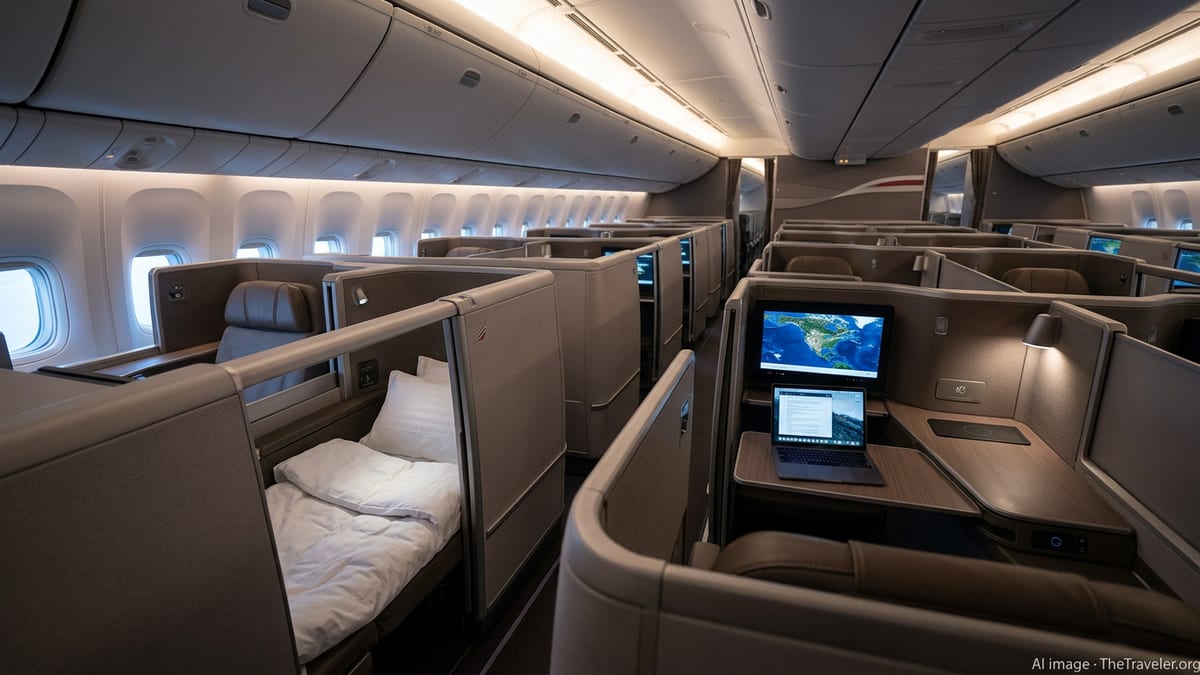
From Open Cabin Icon to Assigned Premium Seating
After more than five decades built around open seating, publicly available information shows that Southwest Airlines is transitioning to assigned seats, including new Extra Legroom and Preferred sections, beginning with flights operating from January 27, 2026. The change follows extensive internal research indicating that the majority of travelers now favor the certainty of a reserved seat, particularly on longer routes where comfort and predictability are more important.
According to the airline’s own investor materials and recent press statements, the cabin of Southwest’s Boeing 737-800 and 737 MAX 8 aircraft is being reconfigured to carve out an extended legroom zone at the front of the aircraft and in exit rows, while maintaining a single-class layout. The company describes the product as a way to add comfort and choice without creating a sharply divided cabin, positioning Extra Legroom as broadly appealing to both leisure and business travelers.
The shift is tied closely to a redesigned boarding and seat-selection model. Basic fare customers will still have access to standard seats, while higher fare bundles, frequent flyer elites, and co-branded credit card holders gain earlier access to premium rows and advance seat selection. Southwest’s revised boarding process now groups travelers by seat type, fare bundle, and loyalty status, with Extra Legroom customers typically boarding in the first groups, moving the airline closer to the boarding hierarchies common at legacy competitors.
This marks a sharp break from the carrier’s long-celebrated free-for-all approach that had become central to its brand identity. Investor presentations highlight that the lack of assigned seating and the complexity of the old boarding process were among the top reasons lapsed customers opted for other airlines, suggesting the new model is aimed as much at winning back defectors as it is at generating new revenue.
Revenue Strategy Behind a “Soft” Premium Cabin
Southwest’s pivot toward premium-style seating forms a cornerstone of a broader profitability plan outlined to investors in late 2024 and early 2025. Company documents describe Extra Legroom seats and related boarding benefits as high-yield features expected to generate unit revenues comparable to some business-class or blocked-middle-seat products, but with fewer seats removed and less disruption to the existing fleet layout.
Rather than installing a distinct business-class cabin, Southwest is layering monetizable attributes on top of its single cabin. Travelers can pay more for specific seat locations, additional legroom, and priority boarding, while still technically flying in one class of service. This approach aims to preserve the airline’s long-promoted egalitarian brand image while tapping into the same “paid comfort” trend driving growth in premium economy products elsewhere in the industry.
Ancillary sales are central to the strategy. Expanded fare bundles now wrap together seat selection, EarlyBird-style boarding advantages, and loyalty perks, effectively replacing some of the informal seat-saving and boarding workarounds that had proliferated under open seating. Management materials indicate that advanced modeling was used to determine how many Extra Legroom seats to offer on each aircraft type, balancing potential premium-seat revenue on full flights against the risk of unsold inventory on thinner routes.
Industry analysts note that Southwest’s move puts pressure on other low-cost and hybrid carriers to refine their own seating and fare structures. By turning a once-quirky open cabin into a more conventional but highly optimized premium-light product, Southwest is signaling that the competitive frontier in North American short-haul flying now rests as much on upsell sophistication and product segmentation as on base fares alone.
Safety Culture Under Intense Federal Scrutiny
The structural changes in Southwest’s cabins are unfolding against a backdrop of elevated attention to the airline’s safety culture and regulatory compliance record. Over the past several years, federal audits and public reports have highlighted concerns about how both Southwest and the Federal Aviation Administration handled risk assessments and oversight, including questions around safety management systems and maintenance practices.
In 2020, a U.S. Department of Transportation inspector general report identified weaknesses in the FAA’s oversight of Southwest’s safety management programs, noting inconsistencies in how inspectors evaluated risk and culture at the carrier. Subsequent capstone memoranda summarized ongoing concerns related to maintenance oversight and underscored the importance of robust internal safety systems across major airlines.
More recently, the FAA has announced enforcement actions and reviews connected to Southwest’s compliance with mandated drug and alcohol testing protocols for employees in safety-sensitive roles, proposing six-figure civil penalties for alleged testing violations spanning several years. Public reporting also indicates that a series of operational incidents, including runway and altitude deviations, drew the regulator’s attention and contributed to a comprehensive review of the airline’s risk controls.
While the FAA later closed at least one high-profile review after Southwest undertook corrective measures, the episodes have kept the carrier under a brighter spotlight. Aviation analysts observe that, taken together, the oversight actions and internal responses have effectively raised the bar for how aggressively major U.S. airlines monitor and disclose safety risks, from cockpit procedures to ground operations.
New Safety Measures and Operational Reforms
In response to this scrutiny, publicly available filings and news coverage describe Southwest rolling out a series of safety-focused initiatives designed to strengthen its internal oversight and operational discipline. The airline has emphasized enhancements to its Safety Management System, additional operational review teams, and expanded safety training and communication programs for frontline staff and pilots.
Reports indicate that Southwest has staged systemwide “safety days” for pilots, built around peer-to-peer discussions of recent incidents and best practices, aiming to encourage transparent reporting and reduce any perceived stigma around flagging potential hazards. The airline has also highlighted investments in new cockpit and ground procedures intended to reduce runway incursions, altitude deviations, and turbulence-related injuries.
Regulatory changes are contributing to the push. Company disclosures describe preparations to meet updated FAA requirements for cockpit secondary barriers on newly manufactured aircraft, as well as close monitoring of potential new rules on minimum seat dimensions driven by evacuation and safety considerations. These mandates, while industry-wide, carry particular weight for carriers like Southwest that are reconfiguring cabins to add premium-style seating while maintaining high-density layouts.
Observers note that the combination of cabin upgrades and heightened safety expectations is forcing the airline to carefully choreograph aircraft modifications, crew training, and schedule planning. Any misalignment between product changes and safety compliance could trigger additional scrutiny or operational disruptions, making successful implementation a critical test of Southwest’s safety governance.
Industry-Wide Implications of Southwest’s Shift
Southwest’s embrace of premium seating and its public emphasis on new safety measures are already influencing competitive and regulatory dynamics across the U.S. airline industry. Traditionally positioned as a no-frills disruptor, the carrier is now helping normalize a model in which even low-cost brands sell multiple tiers of comfort and flexibility layered onto a single cabin.
For travelers, the changes mean that Southwest flights may feel more like those on legacy airlines, with clearer delineations between standard and enhanced seating and more complex fare rules tied to seat selection. At the same time, the airline’s response to oversight and compliance pressure is adding momentum to calls for greater transparency around carriers’ internal safety practices and FAA enforcement actions.
Airline strategists suggest that if Southwest can convert its premium seating plan into meaningful revenue while tightening its safety operations, competitors may accelerate their own cabin and operational refreshes. Conversely, any missteps could reinforce regulatory and consumer skepticism about aggressive capacity and product changes across the sector, underscoring how intertwined commercial innovation and safety assurance have become in modern aviation.
Southwest Airlines: SEATISFACTION product and assigned seating announcement
Southwest Airlines investor presentation detailing premium seating strategy
U.S. DOT OIG capstone memorandum on FAA oversight of major airlines including Southwest
FAA notice on proposed civil penalties related to Southwest drug and alcohol testing