


More news on this day
Passengers at London Heathrow faced extensive disruption today as British Airways, KLM, Etihad Airways, and Lufthansa canceled seven flights and delayed more than 100 services, snarling traffic on major routes to New York, Dubai, Frankfurt, and other global hubs.
Get the latest news straight to your inbox!
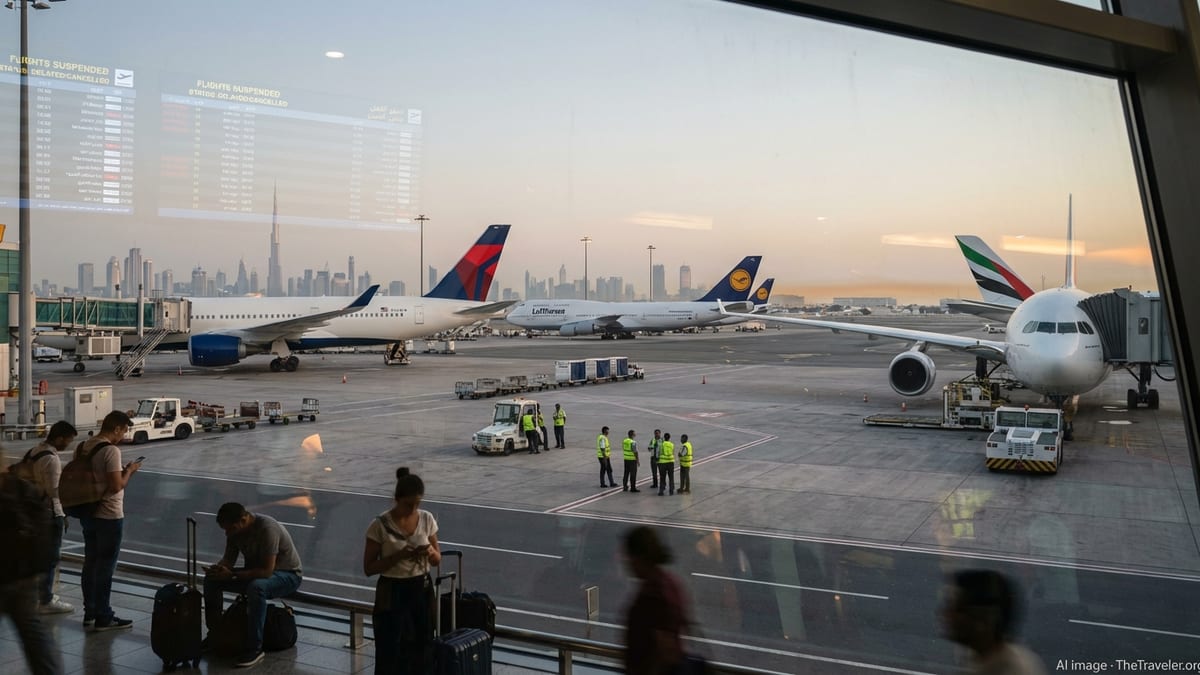
Major Carriers Hit As Disruption Ripples Across Key Hubs
Reports from flight tracking dashboards and passenger advocacy services indicate that a cluster of cancellations and rolling delays at Heathrow quickly cascaded across the networks of several European and Gulf carriers. British Airways, the dominant airline at Heathrow, appeared to bear the brunt of the disruption, while KLM, Etihad Airways, and Lufthansa also recorded canceled services and extended delays on both short haul and long haul operations.
Publicly available data suggests that at least seven departures and arrivals involving the four airlines were scrubbed, with around 110 additional flights facing significant delays. The impact was most visible on high demand links between Heathrow and New York, Dubai, Frankfurt, and Amsterdam, routes that typically carry a high proportion of business travelers and long haul connecting passengers.
Travel compensation specialists have recently highlighted how even limited schedule cuts or operational constraints at Heathrow can quickly push the hub toward gridlock, especially during busy morning and evening peaks. With crews and aircraft falling out of position, airlines often struggle to reset their schedules before knock on delays spill into the next operating day.
Heathrow’s role as a primary gateway for transatlantic and Middle East traffic amplified the disruption. When wide body departures to New York and Dubai run late or are canceled, thousands of onward connections across North America, Asia, and Africa can be affected, leaving travelers scattered across multiple airports and time zones.
Fuel Pressures, Airspace Constraints, And Tight Schedules
The disruption comes against a backdrop of mounting pressure on airline operations this spring, with a combination of jet fuel supply concerns, regional airspace closures, and tight staffing limits narrowing the margin for error at major hubs. Industry analysis in recent weeks has linked a broad reduction in schedules across Europe to a deepening jet fuel squeeze, with some carriers pre emptively trimming flights from May through October in an attempt to conserve fuel and stabilize operations.
Lufthansa has publicly detailed plans to cut around 20,000 short haul flights in the coming months, while KLM has confirmed it will remove more than 150 European services and keep certain Gulf routes, including Dubai, suspended until at least mid June. These structural changes mean that when day of operations problems arise, there are fewer backup options available to absorb the shock.
At the same time, earlier Middle East airspace closures and ongoing routing restrictions have forced airlines such as Etihad to operate more complex and fuel intensive flight paths on some services. Analysts note that even when airlines resume limited operations, the need to avoid conflict zones and navigate alternative routings can increase costs and reduce schedule flexibility.
Heathrow itself has been operating close to capacity, with aviation data showing that British Airways alone accounts for roughly half of all movements at the airport. In such an environment, small disruptions can escalate quickly, particularly when poor weather or traffic management initiatives reduce the number of take offs and landings allowed per hour.
Passengers Stranded On Routes To New York, Dubai, And Frankfurt
Travelers on headline routes such as London to New York and London to Dubai reported extended waits, missed connections, and difficulty securing alternative flights. New York remains one of Heathrow’s single busiest city pairs, while Dubai and Frankfurt serve as key onward hubs for traffic to Asia, Africa, and continental Europe.
Published aviation statistics underline the importance of these corridors. Heathrow’s most heavily trafficked destinations in recent years have included New York and Dubai, while Frankfurt Airport’s own data lists the Frankfurt to London Heathrow link and services to New York and Dubai among its busiest international routes. When schedules on these city pairs falter, disruption tends to cascade through entire networks.
Travel advocacy organizations point out that passengers bound for New York or Frankfurt are often on complex itineraries involving codeshares and alliances, meaning a single missed sector can unravel itineraries spanning several continents. With airlines already trimming schedules due to fuel and capacity constraints, same day rebooking options are increasingly scarce.
For Gulf bound passengers, the continued suspension or reduction of some services by European and Middle Eastern carriers has further narrowed the pool of available seats. KLM’s extended pause on Dubai flights and cautious approach to other Gulf destinations, combined with operational constraints facing Etihad, have concentrated demand onto a smaller number of departures from Heathrow and other European hubs.
What Today’s Disruption Means For Summer Travel Plans
The latest episode of travel chaos at Heathrow raises renewed questions about resilience ahead of the peak summer season. Schedule data and airline statements indicate that carriers including Lufthansa, KLM, and several North American airlines are already cutting frequencies or consolidating flights through at least late summer in response to fuel and airspace challenges.
Consumer rights specialists note that, while advance schedule cuts can help airlines avoid last minute cancellations, they also reduce redundancy in the system. When irregular operations occur on a day like today, there are fewer spare aircraft and open seats to accommodate displaced passengers, leading to longer waits and, in some cases, overnight stays.
Travel industry analysis suggests that passengers flying long haul from Heathrow over the next few months, particularly to North America and the Middle East, may face a higher risk of disruption than in pre conflict, pre fuel crisis periods. Routes that rely heavily on overflying affected regions or on constrained fuel supplies are considered especially vulnerable.
Analysts advise that the pattern seen at Heathrow today may become more common through the summer peak, with clusters of cancellations and widespread delays arising suddenly at busy hubs when a combination of staffing, weather, and fuel factors align.
How Travelers Can Navigate Ongoing Heathrow Disruptions
Passenger advocacy platforms and travel specialists emphasize that, during major disruption events, the most effective steps travelers can take begin well before arriving at the airport. Monitoring flight status frequently in the 24 hours before departure, using both airline apps and independent flight tracking tools, can provide early warning of creeping delays.
Travel rights organizations also stress the importance of understanding the protections available under regulations that apply to flights departing the United Kingdom and European Union. Although compensation eligibility depends on whether a disruption is considered within an airline’s control, carriers still have responsibilities to provide care, such as meals and accommodation, when passengers are stranded for extended periods.
Experts recommend that affected passengers document their experiences carefully, retain receipts for any out of pocket expenses, and submit formal claims to airlines once travel is complete. In cases where rebooking options at Heathrow are limited, it may be worth asking airlines to consider routings via alternative hubs, even if this means an extra connection, as some competing airports currently report more spare capacity.
For those with travel to New York, Dubai, Frankfurt, or other major hubs in the coming weeks, reviewing itineraries now, leaving additional connection time, and considering flexible tickets or comprehensive travel insurance may help reduce the risk of being stranded should Heathrow experience further days of concentrated disruption.