


More news on this day
Heavy overnight rain in Ahmedabad disrupted air travel on Thursday, delaying 13 flights at Sardar Vallabhbhai Patel International Airport and leading to the cancellation of services on the Ahmedabad–Diu route as the city and wider region grappled with severe monsoon conditions.
Get the latest news straight to your inbox!
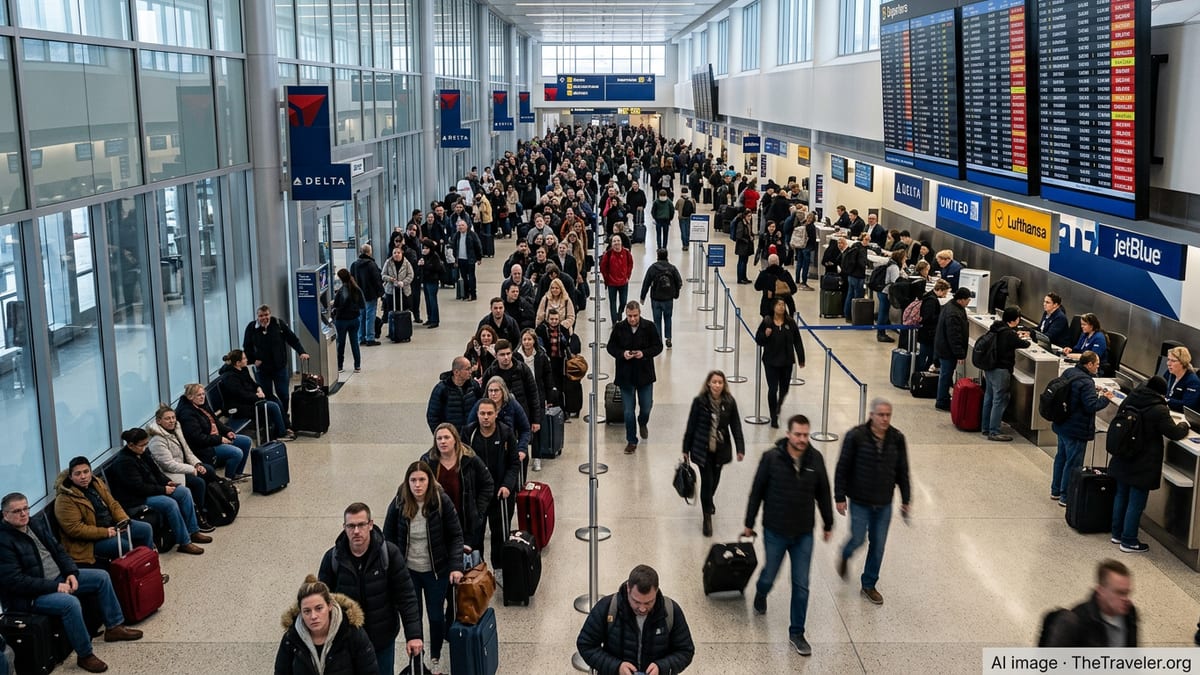
Flight Operations Hit at Sardar Vallabhbhai Patel International Airport
According to published coverage of airport operations, persistent rain and reduced visibility over Ahmedabad affected both arrivals and departures through the day. A total of 13 services were reported delayed, impacting domestic and international routes linking the city with major hubs such as Mumbai, Delhi and Dubai, as well as destinations including Dehradun, Keshod, London, Goa, Bengaluru, Kolkata and Patna.
Reports indicate that at least two flights on the busy Ahmedabad–Diu sector were cancelled as operators reassessed conditions along the rain-affected corridor. Aviation trackers and news reports show that select services bound for Ahmedabad were diverted to alternate airports including Jaipur and Surat to avoid prolonged holding patterns in poor weather.
Publicly available information shows that airport authorities issued advisories urging passengers to check the real-time status of their flights with airlines before setting out, and to factor in extra time for road travel and security checks. The guidance reflected concerns that disruption on city roads could compound delays at the terminal.
The turbulence in the schedule comes at a time when air traffic through Ahmedabad has been gradually expanding, particularly on domestic business and leisure routes. The latest spell of adverse weather has highlighted the vulnerability of tight point-to-point schedules when intense monsoon systems develop over western India.
Waterlogging and Urban Disruption Across Ahmedabad
The disruption in the air was mirrored on the ground as a concentrated downpour left large parts of Ahmedabad struggling with waterlogging. Local media accounts describe a 12-hour spell of rain that submerged arterial roads, flooded underpasses and sent water into residential societies in neighbourhoods such as Memnagar, Thaltej, Ambli, Bopal and Sarkhej.
Photographs and videos circulated by news outlets show vehicles stalled in deep water on key thoroughfares, with pedestrians wading through strong currents on routes that normally carry peak-hour traffic. Several underpasses, including those at Shahibaug, Makarba, Akhbarnagar, Mithakhali, Usmanpura and Parimal, were temporarily closed to prevent accidents, further restricting movement around the city.
Cab aggregators and local taxi services reportedly curtailed operations on some submerged stretches, leaving travellers facing longer waits and detours to reach the airport. Residents described difficulty in accessing essential services as interior lanes and service roads, especially along the SG Highway corridor, remained inundated for hours after the heaviest rain.
Publicly available meteorological data point to vigorous monsoon activity over central Gujarat, with Ahmedabad receiving a sharp burst of rainfall within a relatively short period. The intensity of the event appears to have overwhelmed drainage systems in several pockets, reigniting debate over the city’s capacity to handle extreme rain spells that are becoming more frequent.
Regional Monsoon Impact on Rail and Road Connectivity
The heavy rain that slowed flights in and out of Ahmedabad formed part of a broader monsoon system affecting large swathes of Gujarat and neighbouring Maharashtra. Published coverage reports significant flooding in districts such as Valsad, Navsari and Tapi, where overflowing rivers prompted highway closures and rescue efforts.
Rail operations on the vital Ahmedabad–Mumbai corridor have been hit especially hard. Western Railway updates cited by national media show more than 50 trains cancelled and a similar number short-terminated at various stations after track damage and waterlogging. Prominent services, including premium trains such as Vande Bharat, Tejas Express, Gujarat Mail and Karnavati Express, are among those affected.
In some sections between Udvada and Pardi, a bank slide linked to saturated soil conditions forced traffic to be halted while inspection and repair work proceeded. Short-termination of long-distance services at junctions like Valsad, Navsari and Surat has left many passengers seeking alternate routes, adding pressure on whatever air capacity remains available to and from Ahmedabad.
Road connectivity has also suffered as floodwaters overtopped bridges and inundated low-lying stretches, particularly along National Highway 48. In combination with the disruption to rail and air services, the situation has complicated the movement of both daily commuters and long-distance travellers trying to enter or exit the region.
Alerts, Forecasts and What Travellers Should Expect
Publicly available forecasts from the India Meteorological Department and national media indicate that large parts of Gujarat remain under elevated rainfall alerts, with a red warning in place for some southern districts and an orange alert covering portions of central Gujarat and Saurashtra. Ahmedabad itself has been flagged for the possibility of further heavy showers following the recent cloudburst-like episode.
Given the evolving outlook, aviation and travel data platforms suggest that schedules may remain fluid over the next 24 to 48 hours. Passengers using Sardar Vallabhbhai Patel International Airport are being encouraged by airlines and airport advisories, as reported in local coverage, to monitor flight information closely and build additional buffer time into journeys to account for possible congestion and short-notice changes.
Travel industry observers note that secondary destinations linked to Ahmedabad, such as Diu, are particularly exposed when weather systems disrupt operations at both origin and destination. With at least two Ahmedabad–Diu services already cancelled during the current spell, further adjustments on thinner routes cannot be ruled out if the monsoon remains active along the Arabian Sea coast.
For now, publicly available information points to a gradual restoration of services as and when weather windows allow, but the latest disruption underscores the need for travellers heading into or out of Ahmedabad to remain flexible and prepared for delays while the monsoon stays over the region.