


More news on this day
Air travelers across the United States faced another difficult day as flight disruption figures climbed to 175 cancellations and 3,979 delays, with Boston and Los Angeles emerging among the most affected hubs and ripple effects spreading through major domestic routes.
Get the latest news straight to your inbox!
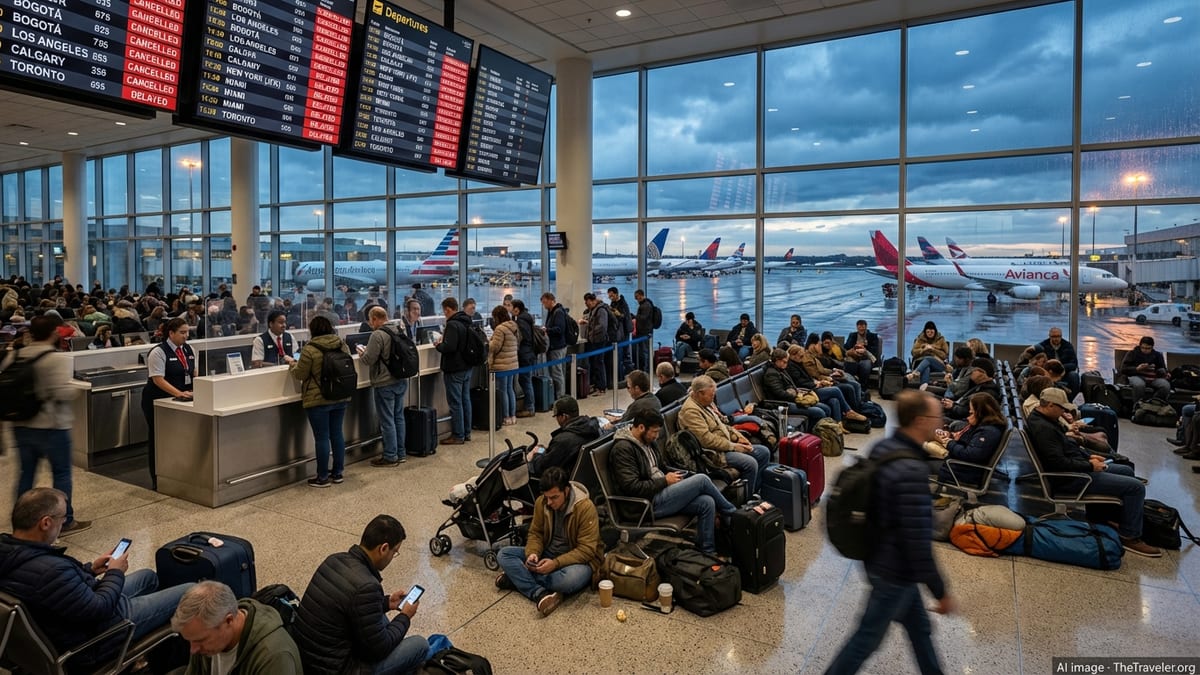
Nationwide Disruptions Hit Key Coastal Gateways
Publicly available tracking data indicates that hundreds of flights were either canceled or delayed across the country, with roughly 175 cancellations and nearly 4,000 delays recorded over the course of the day. The impact was felt most acutely at large coastal gateways, where dense schedules left limited room to absorb disruptions.
Boston Logan International and Los Angeles International were among the airports experiencing notable operational strain. Flight boards at both hubs showed clusters of late departures and arrivals, particularly on busy transcontinental routes and evening bank departures that depend on tightly timed aircraft rotations.
The disruption figures, while short of the most severe nationwide meltdowns seen in previous years, were significant enough to affect tens of thousands of passengers. Connections through major hubs were especially vulnerable, as initial delays early in the day cascaded into missed onward flights and longer ground times for crews and aircraft.
Published coverage suggests that the latest wave of irregular operations reflects a combination of weather, congestion in key air corridors, and lingering staffing challenges that leave airlines and airports with limited recovery margins when schedules begin to slip.
Boston Logan Sees Ongoing Strain After a Difficult Summer
Boston Logan has already faced an unusually challenging summer travel period, and the latest round of disruptions added to that pressure. Recent public discussions among local travelers have highlighted repeated days with dozens of cancellations and hundreds of delayed flights, as tight turn times and congested airspace along the Northeast corridor compound minor operational issues.
Flight-tracking boards for Boston showed a familiar pattern: morning departures generally pushed back on time, while delays accumulated through the afternoon and evening as arriving aircraft ran behind schedule. Even when cancellations were relatively limited, extended delays of 30 minutes to several hours created long lines at customer service desks and crowded gate areas.
Operational data published over recent months indicates that Boston-bound flights are particularly susceptible to weather-related flow restrictions and traffic management programs in the busy airspace between Washington, New York, and New England. When these programs are in effect, aircraft en route to Boston may face airborne holding, ground delay programs at origin, or reroutes that lengthen flight times.
According to publicly available performance summaries, some carriers serving Boston have struggled to keep cancellation rates low during peak periods, as thin spare aircraft capacity and strict crew duty rules make it harder to recover once delays extend late into the day.
Los Angeles International Grapples With Volume and Knock-On Delays
On the West Coast, Los Angeles International remained a focal point for delays, reflecting its role as a major international and domestic hub. Schedules into and out of Los Angeles involve long-haul international arrivals, transcontinental flights, and dense short-haul operations, creating complex dependencies that can magnify seemingly small disruptions.
Tracking data showed that transcontinental routes linking Los Angeles with East Coast cities such as Boston, New York, and Washington experienced pockets of delay, particularly in the middle of the day and early evening. When an inbound aircraft from the East Coast arrived late, subsequent rotations from Los Angeles often departed behind schedule, affecting passengers throughout the network.
Publicly available operational information indicates that Los Angeles has seen repeated episodes of congestion at security checkpoints and on taxiways during peak hours. These conditions, combined with routine runway maintenance programs and regional weather, can slow departures and arrivals enough to push flights out of their scheduled windows.
Despite ongoing infrastructure improvements, the sheer volume of traffic at Los Angeles means that recovery from disruptions can take several hours. Travelers connecting between terminals or rebooking after cancellations often face long walking distances and limited same-day alternatives, especially on heavily booked weekend flights.
Weather, Staffing, and Network Complexity Drive Disruptions
The latest cancellation and delay figures illustrate how multiple factors can align to disrupt air travel across the United States. Weather remains a central driver, with thunderstorms, low ceilings, and strong winds prompting air traffic control programs that reduce capacity at affected airports and along busy routes.
However, publicly available analyses by aviation data providers and industry observers also point to structural issues that make the system more fragile. Many airlines continue to operate with lean staffing levels and limited spare aircraft compared with pre-pandemic norms, reducing their ability to swap equipment or crews when irregular operations occur.
Network complexity further complicates recovery. A single delayed aircraft might be scheduled to operate several flights in a day, often across different regions. Once the first leg is delayed, each subsequent segment risks additional delay or cancellation if it crosses into crew duty time limits or misses key airport curfews and slot windows.
In this context, a nationwide tally of 175 cancellations and 3,979 delays represents more than just numbers on a board. Each entry reflects a chain of decisions involving weather, crew rest requirements, maintenance needs, and air traffic constraints, all interacting within a tightly scheduled system.
Travelers Face Missed Connections and Extended Journey Times
For passengers, the operational challenges translated into missed connections, extended journey times, and unplanned overnight stays. Travelers connecting through Boston or Los Angeles reported longer layovers as onward flights departed late or reached their destinations after midnight, complicating ground transport and hotel plans.
According to consumer travel reports and airline performance dashboards, even modest delays can quickly become critical for those with tight connections. A 45 minute late arrival on a transcontinental flight may leave insufficient time to clear security in another terminal, reach a distant gate, or accommodate boarding cut off times on regional jets.
Families, business travelers, and inbound international passengers were all affected. With many flights operating close to full, rebooking options were limited, especially for those needing multiple seats together or traveling to smaller regional airports with only a few daily departures.
Travel guidance published by airlines and airports continues to emphasize strategies for navigating periods of disruption, including allowing extra connection time, traveling with carry on luggage when possible, and monitoring flight status frequently on the day of departure. As the system works to absorb 175 cancellations and thousands of delays, such precautions remain one of the few tools passengers can use to reduce the risk of substantial disruption to their plans.