


More news on this day
Passengers flying through the United Kingdom are being urged to prepare for potential airport disruption as busy late summer and autumn traffic combines with ongoing operational pressures, schedule changes and weather-related issues that continue to trigger delays and cancellations across parts of the network.
Get the latest news straight to your inbox!
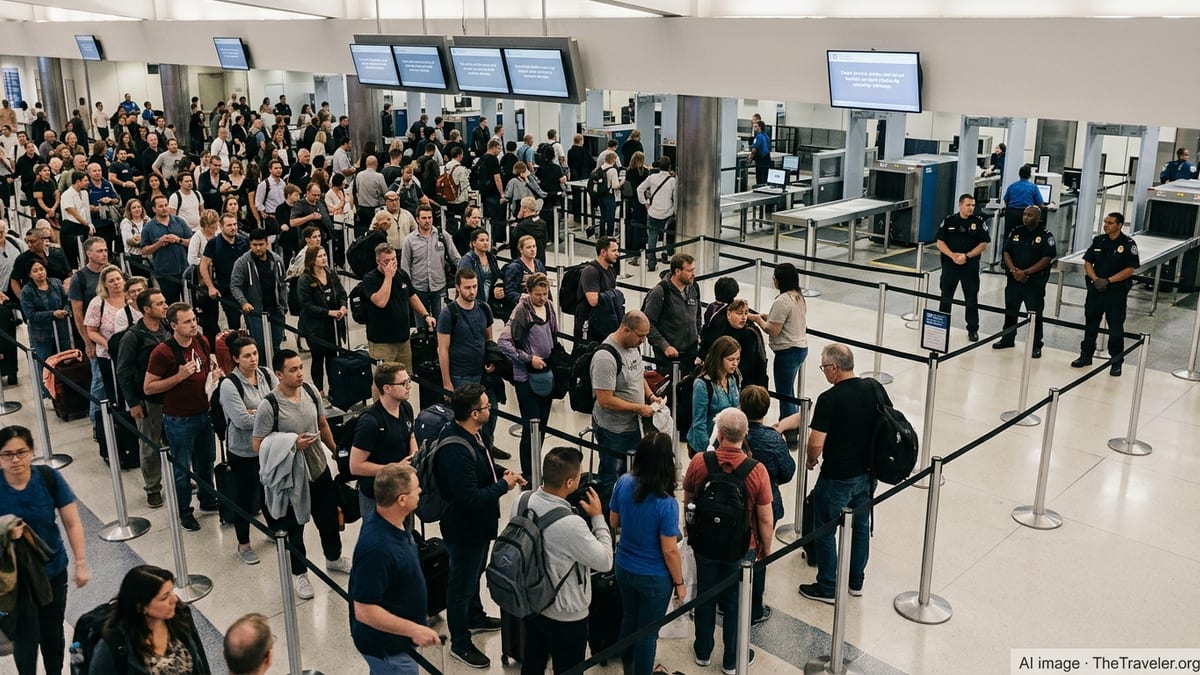
UK Airports Facing Another Stretch of Uncertain Operations
Recent government and aviation guidance indicates that UK airports remain vulnerable to pockets of disruption, even as overall cancellation rates stay relatively low by historical standards. Analysis published by the Department for Transport using airline schedule data shows that only a small fraction of planned departures have been cancelled in recent months, but localised pressures at individual hubs can still lead to queues, missed connections and last minute itinerary changes for passengers.
Travel advisories highlight several drivers of disruption, including tight aircraft and crew availability, evolving security requirements, jet fuel supply concerns and knock on effects from overseas airspace issues. When conditions combine on peak days, even modest schedule changes can ripple across the system, leaving travellers facing rebookings, overnight stays or long waits in terminal buildings.
UK Civil Aviation Authority updates stress that passengers remain well protected under established consumer regulations when delays or cancellations occur. However, the regulator also points to the practical limitations airlines face when disruption is widespread, noting that finding alternative seats at short notice can be challenging during busy holiday periods or when an airport experiences unplanned restrictions.
In parallel, the government’s air travel checklist for departures from the UK encourages travellers to build more resilience into their plans. Guidance emphasises checking flight status repeatedly in the 24 hours before departure, having digital copies of travel documents and planning extra time at the airport in case of longer security or border processing queues.
What Travellers Are Entitled to When Flights Are Disrupted
Consumer guidance from the UK Civil Aviation Authority explains that passengers whose flights are significantly delayed or cancelled may be entitled to care, rerouting or refunds, depending on the circumstances. For cancellations, travellers generally have the choice between a refund for the unused parts of their journey or an alternative flight at the earliest opportunity, even if seats are only available on a competing carrier.
Where disruption leads to an overnight stay, passengers are typically entitled to reasonable accommodation, meals and transport between the airport and hotel, regardless of the cause of the disruption. Travellers on package holidays have additional protections, as tour operators are required to offer either a full refund or a suitable alternative trip if a key part of the package cannot be provided due to flight problems.
Fixed-sum compensation is more tightly defined and often depends on whether the disruption was within the airline’s control. Publicly available information from the Civil Aviation Authority notes that airlines may be able to reject compensation claims when delays or cancellations stem from extraordinary circumstances such as air traffic control restrictions, sudden airport closures or severe weather, even though the duty of care still applies.
Consumer groups advise passengers to keep detailed records during any disruption, including boarding passes, receipts for meals or accommodation and written communications from airlines or tour operators. This documentation can help support subsequent claims for refunds, out of pocket costs or compensation under UK and European passenger rights rules.
Digital Readiness and Connectivity: Holafly Expert Advice
As more passengers rely on smartphones to manage boarding passes, rebook flights and receive live updates, specialist eSIM providers have begun highlighting the role of connectivity during disruption. Holafly’s guidance on using eSIMs abroad stresses the value of having mobile data working before arriving in the terminal, allowing travellers to check flight status, receive airline notifications and contact travel providers without depending solely on airport Wi Fi.
Holafly’s technical support materials recommend installing an eSIM at a calm moment before travel and only activating data when close to departure or on arrival in the destination country, to avoid starting validity periods too early. Help centre articles also explain what to do if travellers see error messages when installing or activating their eSIM, including checking device compatibility, ensuring the latest operating system updates are installed and confirming that roaming is enabled on the eSIM line.
Travel community discussions referencing Holafly and similar providers indicate that many passengers now treat a travel eSIM as a contingency tool during disruption. Being able to tether a laptop, manage alternative bookings on airline apps, search for nearby accommodation or message family can reduce the stress of long waits at the airport. Some experienced travellers also report buying a backup local eSIM or physical SIM upon arrival in case of connectivity problems with their primary provider.
Experts in digital travel planning generally advise keeping QR codes, activation emails and eSIM setup instructions saved offline, so that they are accessible even if the original email account or booking site cannot be reached. For those relying on eSIMs such as Holafly’s, a short test of data connectivity before leaving home or hotel can help identify problems early, when they are easier to resolve.
Practical Steps to Take Before Reaching the Airport
Government travel checklists for UK departures underline several actions that can help reduce the impact of disruption. Travellers are urged to verify passport validity, visa or electronic travel authorisation requirements and airline check in deadlines well in advance. Updated guidance on confirming immigration status to carriers also highlights the importance of ensuring that digital records are correct before travel, as last minute border documentation issues can compound delays during busy periods.
On the operational side, the Civil Aviation Authority has recently focused on the role of cabin baggage and lithium powered devices in causing delays. Safety campaigns warn that incorrectly packed power banks, laptops or spare batteries can trigger extra security searches at the checkpoint or at the gate, slowing down boarding and occasionally forcing bag offloads that hold up departures. Passengers are encouraged to review security rules on liquids, electronics and batteries before packing.
Mobile connectivity planning now features alongside these more traditional checks. Holafly’s public information suggests that travellers confirm that their phones are unlocked, that they understand how to switch between primary and eSIM lines, and that they have saved any key roaming settings or customer support contacts. Ensuring that airline apps, rail booking tools and navigation services are all logged in on the device can save valuable minutes if travel plans need to change suddenly.
Travel advice produced for busy periods also stresses the value of timing. Checking in online as soon as it opens, arriving at the airport within the recommended window and monitoring the departure board from home or hotel can all help passengers react faster if cancellations or major delays appear. In cases where public information suggests elevated disruption at a particular airport, some travellers may opt to rebook via alternative hubs before reaching the terminal.
How to Respond if Your Flight Is Delayed or Cancelled
When disruption hits, passenger rights guidance recommends first confirming the official status of the flight through the airline’s app, website or airport information screens, then checking for notifications outlining rebooking options. Some airlines automatically move passengers onto the next available service and provide digital vouchers for meals or hotels, while others require travellers to request changes through online forms, call centres or airport desks.
If self service tools are available, staying connected through a functioning data connection can dramatically speed up the process, particularly when phone lines are congested and airport queues are long. Holafly’s eSIM guidance highlights that travellers should ensure they are on the strongest available network and, where possible, avoid heavy tethering or streaming during critical rebooking moments to preserve bandwidth and battery life.
Passengers whose trips are significantly affected are encouraged to review both airline conditions of carriage and the Civil Aviation Authority’s disruption pages to understand what assistance they can request on the day and what they might claim later. Those on package holidays should also consult their tour operator’s terms, as these can entitle them to alternative accommodation or revised itineraries when flights are changed.
For longer disruptions, having a clear plan that combines knowledge of consumer rights with robust personal connectivity can help travellers regain control more quickly. Publicly available advice from regulators, government departments and digital travel providers alike converges on the same message: prepare early, stay informed in real time, and use all available tools, from passenger rights frameworks to eSIM connectivity, to keep journeys moving when UK airport operations become unpredictable.