


More news on this day
Budget airlines are betting that smarter phones and artificial intelligence can make up for tighter seats and fewer perks, as low cost carriers roll out upgraded apps, digital wallets and AI powered assistants that aim to simplify trips and unlock new revenue from travelers on the go.
Get the latest news straight to your inbox!
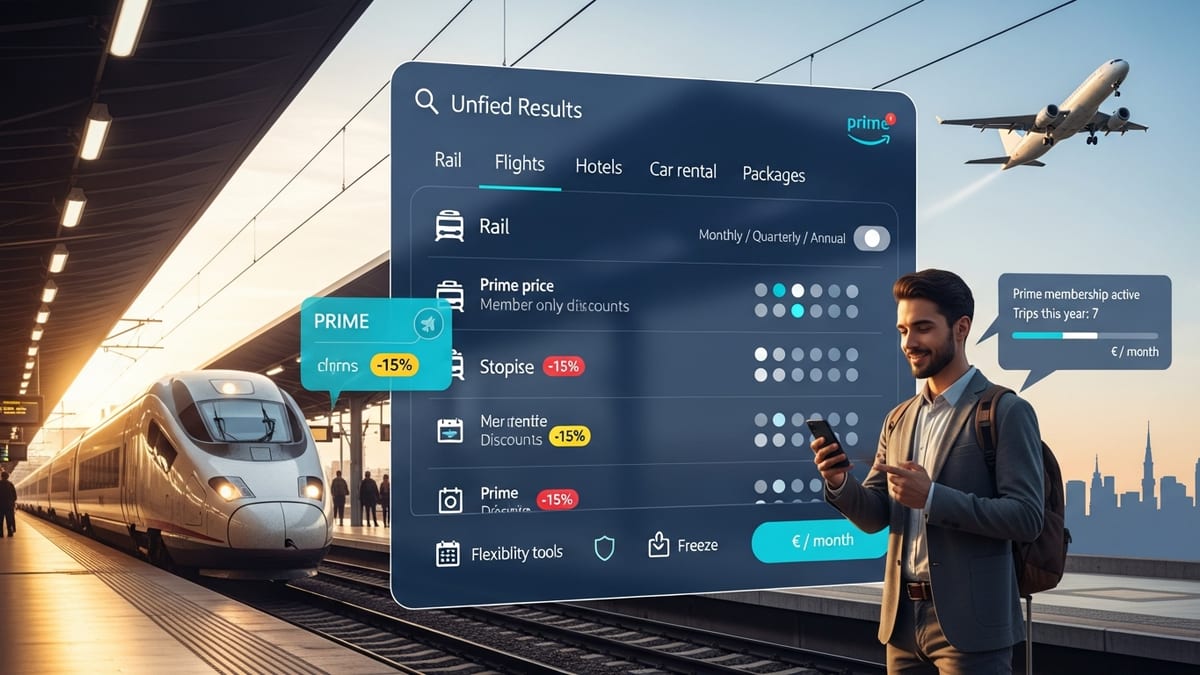
Low Fares Meet High Tech in the App Era
Mobile technology has become the primary touchpoint between travelers and low cost airlines, and carriers are investing heavily in app design and automation to keep costs down while improving the experience. Industry surveys in recent years show that a growing share of passengers now complete check in, seat selection and ancillary purchases entirely on their phones, bypassing desks and kiosks.
For budget airlines whose business models rely on quick turns and low staffing levels at airports, every action that moves to a smartphone can reduce queuing and manual processing. Boarding passes, baggage payments and priority boarding are increasingly bundled into streamlined app flows, helping carriers limit face to face interactions without adding friction for regular flyers.
The shift also reflects broader airline technology trends. Research from aviation IT providers and airline associations in 2024 and 2025 pointed to rapid growth in mobile self service and contactless travel options, with biometric and digital identity projects often tied back to airline apps that store documents and permissions for use at the airport.
As these tools migrate from full service to low cost carriers, passengers accustomed to rock bottom fares are starting to see more sophisticated digital experiences, from real time gate updates to tailored offers pushed directly to their lock screens.
AI Agents Take Over Routine Customer Service
Recent advances in generative AI are now reshaping airline customer service, and budget carriers are emerging as early adopters because of the potential savings on call centers and social media teams. Sector wide analyses of customer service AI platforms in 2025 and 2026 indicate that automated agents can now resolve a majority of basic queries such as itinerary changes, baggage rules and refund eligibility without handing off to humans.
Vendors increasingly price these systems per automated resolution, a model that appeals to low cost airlines that measure performance in seconds and cents. Industry comparisons published this year show benchmark prices hovering around one dollar or less per resolved conversation for mainstream platforms, with smaller providers targeting even lower rates to win budget conscious clients.
For travelers, the visible result is a growing presence of virtual assistants inside airline apps, often available around the clock and across languages. Instead of waiting on hold, passengers can type or speak natural language questions about carry on sizes, name corrections or schedule disruptions and receive instant answers synthesized from airline policies and help center documents.
Academic work on chatbot deployment over the last two years has highlighted both the promise and the pitfalls of this approach. Studies emphasize the need for clear signaling about what AI can and cannot handle, along with simple escalation paths to human agents when confidence is low, a concern that is particularly acute when passengers face missed flights or complex multi leg itineraries.
Smartphones Become Personal Travel Assistants
As AI capabilities expand, budget airlines are turning their mobile apps into personalized travel hubs designed to guide passengers through every step of the journey. Some large carriers already use app based notifications to nudge customers about boarding times, baggage limits or document checks based on their route, and similar capabilities are beginning to appear among low cost operators.
Newer app features in the wider airline market include virtual gate views, proactive bag tracking and suggestions about airport lounge access or ground transport at arrival. For no frills carriers, comparable tools may focus more on timely guidance and ancillary offers that fit price sensitive travelers, such as reminding passengers about airport transfer options, low cost seat upgrades or bundled in flight meals.
Biometric initiatives are also intersecting with the mobile experience. Projects in North America, Europe and Asia have tested facial recognition at bag drops, security lanes and boarding gates, often linked to a digital identity token created or managed through an airline or government app. While most large scale pilots have involved legacy airlines and hub airports, industry reports suggest that the underlying infrastructure could eventually support low cost operators sharing the same terminals.
In practice, this means that a traveler flying a budget airline could move from curb to gate using a combination of digital boarding passes, stored IDs and facial verification, with the airline app orchestrating status updates and permissions in the background.
Revenue Opportunities and New Friction for Travelers
For low cost carriers, sophisticated mobile and AI systems are not purely a service upgrade; they are also new revenue engines. Dynamic pricing algorithms embedded in apps can test different price points for extras such as early boarding, seat selection and checked bags, adjusting offers based on demand patterns and individual behavior.
AI engines trained on past bookings and browsing habits can surface tailored bundles, suggesting, for example, a fast track lane plus cabin bag for a frequent business traveler, or a family seating package for passengers booking with children. Analysts following the ancillary revenue segment note that airlines increasingly view targeted digital merchandising as one of the most promising growth areas, particularly among carriers where base fares leave little room for margin.
These changes, however, introduce new forms of friction. Passenger advocacy groups and digital rights organizations continue to raise questions about data collection, consent and algorithmic transparency, especially when biometric identifiers and location data are involved. Some travelers have also expressed frustration with AI chatbots that struggle with edge cases or appear to block access to human support, particularly when flights are delayed or cancelled.
Regulators in major markets have responded with evolving guidance on the use of biometric data and automated decision making, prompting airlines and technology vendors to emphasize opt in mechanisms, clear explanations of data use and options to bypass AI tools in favor of traditional channels.
What Budget Flyers Should Expect Next
Looking ahead to the next few seasons, industry investment plans suggest that the combination of low fares, powerful smartphones and rapidly improving AI will further blur the line between budget and full service experiences at the digital level. Passengers booking with low cost carriers can expect more capable apps, richer notifications and chat style help that feels closer to a personal assistant than a static FAQ.
At the same time, the core trade off that defines budget travel is unlikely to disappear. Many of the new tools are designed to keep staffing lean and to steer passengers toward optional extras, rather than to replicate the inclusive services offered by traditional network airlines. Travelers comfortable managing trips from their phones and interacting with AI agents may find the latest generation of low cost apps especially efficient, while those who prefer human support or are wary of biometric systems may need to pay closer attention to consent screens and alternative options.
As summer and holiday peak seasons test these systems at scale, the budget segment will provide an important proving ground for whether AI and mobile innovation can meaningfully improve high volume, low margin air travel without leaving less tech savvy passengers behind.