


Few sights in Europe generate as much awe as Barcelona’s Sagrada Família, but many travelers underestimate how long a visit actually takes. Between timed tickets, security checks, dazzling interiors, optional tower climbs and the on-site museum, the experience is more involved than simply "popping in" for a quick look. Planning realistic timing is the key to enjoying Gaudí’s masterpiece instead of rushing through it.
Get the latest updates straight to your inbox!
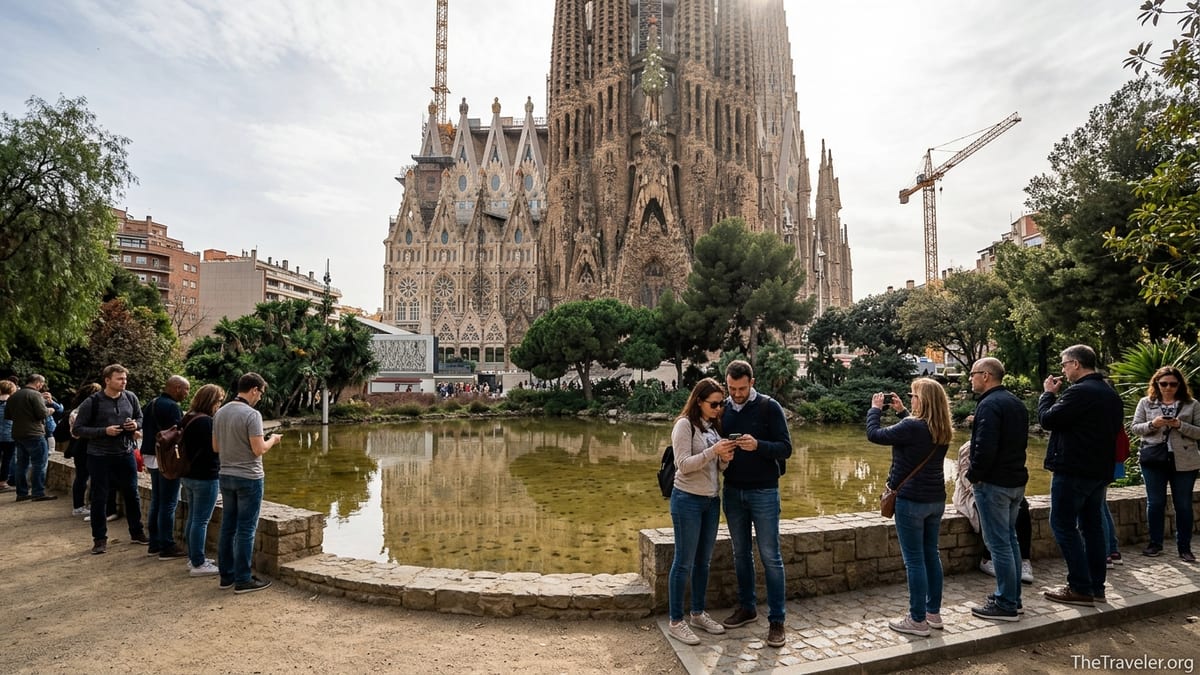
How Long a Sagrada Família Visit Really Takes
For most travelers, a Sagrada Família visit takes between 1.5 and 2.5 hours door to door, depending on the ticket you choose and how much you linger. Recent timing guides produced by specialist Barcelona tour companies suggest that the average visitor spends 45 to 60 minutes inside with the audio guide, about 90 minutes with a guided tour, and roughly 2 hours if they also go up a tower. On top of that, you should allow around 30 minutes for security, orientation and exterior photos before or after you enter.
As a concrete example, imagine you have a 10:00 audio-guide entry slot in April. You arrive at 9:30, pass security and take a few photos on the Nativity façade side. You scan your ticket just after 10:00, spend 50 minutes with the audio guide in the nave and apse, stop for 15 minutes in the museum downstairs, then exit around 11:15. From the moment you surfaced from the metro to the moment you leave the site, the visit has taken about 1 hour 45 minutes.
If you book a guided tour with tower access, your commitment is longer. A common pattern is a 10:00 guided tour that lasts until roughly 11:15, followed by a 15- to 30-minute gap before a tower slot at 11:30 or 11:45. By the time you have ridden the elevator, taken in the views and descended the spiral staircase, it is often close to 12:30. With early arrival and a few last photos outside, your total visit can easily stretch to 2.5 hours.
Shorter visits are possible, but they tend to feel rushed. A 60-minute dash through the basilica interior means limiting yourself to a few glances at the stained glass and skipping the museum. Most visitors who try this say afterward that they wish they had planned at least an extra half hour to simply stand under the branching columns and watch the light change.
Ticket Types and How They Affect Your Timing
The ticket you choose will determine not just what you see, but how long you need. Standard “basilica plus audio guide” tickets are often priced in the mid-20s in euros for adults and include access to the main nave, apse, crypt area, side aisles and the museum. With this ticket, you can expect the core visit to last about 60 to 90 minutes inside, plus time before and after for security and photos.
Guided tour tickets, usually only a few euros more than the audio option, replace the app with a licensed guide and a structured 50- to 70-minute tour. Groups are typically kept to around 20 to 25 people. You will still have some free time afterward to revisit favorite spots or drop into the museum, but the overall visit tends to push toward the 2-hour mark because the commentary encourages you to slow down and actually look at details like the Passion façade sculptures or the intricate vaulting overhead.
Adding tower access increases both cost and duration. Basilica tickets that include one tower are commonly about 10 euros more than audio-only entry. These give you a specific tower slot, generally 15 to 60 minutes after your basilica entry time. For instance, you might book basilica entry at 9:45 and a Passion Tower slot for 10:30. That means you will explore the nave for roughly 30 to 40 minutes, ride the elevator up, spend 15 to 20 minutes at height, then descend by staircase and continue at ground level. In practice, this adds around 30 to 45 minutes to your visit.
There are also more comprehensive combinations that pair a guided tour with tower access, or in some cases allow you to visit both towers in one day. These premium options can stretch a visit to 2.5 or even close to 3 hours, which suits architecture enthusiasts but may be too long for families with small children. When choosing tickets, think honestly about both your interests and your stamina; paying extra for a tower you rush through because you are tired or hungry rarely feels worth it afterward.
Breaking Down the Visit: What Takes Time Inside
Once you are through the turnstiles, your time is naturally divided between a few main zones: the exterior façades, the central nave, the apse and chapels, the museum and, for some, one of the towers. Each segment adds time, and knowing how they fit together helps you plan a visit that feels full but not frantic.
Most visitors begin with a brief look at the Nativity or Passion façades, depending on which side their entry gate uses that season. Photographing the biblical scenes and intricate stonework can easily consume 10 to 15 minutes, especially if you try to frame the entire façade from the small gardens across the street. If the weather is good and crowds are light, it is worth allowing those extra minutes here, as you will not see this stonework from inside.
Inside the nave is where most of your time disappears, and rightly so. Even with an audio guide that aims for 45 to 60 minutes, many travelers pause several times simply to absorb the colored light from Joan Vila-Grau’s stained glass windows and the forest of hyperboloid columns. If you are particularly interested in photography, you might spend 20 minutes near the center aisle alone, waiting for clouds to shift and light to intensify on the western windows, especially on sunny afternoons when warm light pours through the Passion side.
The museum, located underneath the basilica, is easily overlooked yet adds another 20 to 30 minutes to a typical visit. It contains original plaster models, early photographs of the construction, and plans that help you understand how the temple is still evolving. Some official and commercial guides recommend about half an hour here on a self-guided visit, or closer to 40 minutes if you accompany a guide who explains Gaudí’s geometry and engineering choices in detail. If you are traveling on a tight schedule, it is often this section that gets sacrificed, so decide in advance whether models and historical context are a priority for you.
How Towers Change the Duration and Feel of Your Visit
Climbing a Sagrada Família tower is often treated as a must-do upgrade, but in practice it is an optional extra that significantly affects both timing and energy levels. There are two main tower options for visitors: the Nativity towers and the Passion towers. You choose one when you buy your ticket, and each offers a different experience and perspective over Barcelona.
The Nativity side, which was completed largely during Gaudí’s lifetime, tends to provide a more “inside the architecture” feeling. After taking the elevator up, you walk along narrow bridges between spires and can peek down at the intricate stone carvings below as well as out over the Eixample district. Travelers who have reported their timings online commonly spend around 15 to 20 minutes moving through these elevated walkways, especially if they are nervous about heights and step carefully along the spiral staircases on the way down.
The Passion towers, by contrast, feel more outward-facing, with higher platforms and wider views across the city toward Montjuïc, the coastline and the hills to the west. Here too, the elevator takes you up while you must descend via a spiral staircase, so you should be comfortable with enclosed spaces and steps. The tower experience itself is relatively short, but you should budget additional time for waiting to board the elevator during busy periods, particularly in summer afternoons when many visitors cluster around the tower entrance at once.
In practical terms, adding one tower can extend a visit by about half an hour compared with a standard basilica visit. A detailed timing guide published in 2026 by a Sagrada Família specialist suggests that a “basilica plus one tower” itinerary typically requires around 2 hours total including arrival, security, interior visit, tower access and exit. If you add both towers, available on some limited tickets, you will likely need 2.5 to 3 hours, as the two tower slots are separated and you still need unhurried time inside the basilica itself.
Queues, Security and Best Times of Day
Even with timed tickets, it is wise to factor in the time you spend before you ever see Gaudí’s vaults. Security checks, bag screening and simple crowd management can add 10 to 20 minutes at peak times. On popular spring and autumn weekends, travelers report joining a short exterior line even with 9:00 or 9:15 tickets, then moving gradually through metal detectors before reaching the entry kiosks. If you cut it too close to your slot, you risk arriving stressed or missing your window.
Choosing the right time of day can shorten queues and shape your experience inside. Early morning slots between opening and roughly 10:00 are often the most peaceful, especially on weekdays outside high summer. You can usually complete security faster, enjoy cooler temperatures and have more space to pause in the central nave. Late afternoon slots, from around 15:00 to 17:00, are more crowded but reward you with dramatic light through the western stained glass as the sun sinks. Many photographers deliberately book around 16:00 in winter or about 17:00 in late spring and autumn to catch this effect, accepting that they will share the nave with more people.
Midday is the peak visiting time, partly because many cruise excursions and group tours arrive then. If your schedule is flexible and you want a shorter, calmer experience, it can be worth shifting your visit to the edges of the day. For instance, a couple visiting in October might choose an 8:45 or 9:00 entry, spend a focused 75 minutes inside, and still have time to walk to a nearby café for a late breakfast before the late-morning rush builds outside.
Weather matters less for the basilica itself, which is enclosed, but it does influence how pleasant the exterior portions of your visit feel. On hot summer days, standing in the sun outside for photos or while waiting for a tower elevator can be tiring, especially for children. On rainy days, you may find slightly shorter lines for tower access as some visitors decide to skip the extra exposure and stay at ground level instead.
Sample Timelines for Different Types of Travelers
To translate all of this into practical planning, it helps to imagine a few typical visitors and how their Sagrada Família timings play out in real life. These scenarios use common ticket types and realistic pacing so you can adapt them to your own trip.
Consider a first-time couple in their 30s visiting in May with a “basilica plus audio guide” ticket. They book a 10:00 slot, arrive at 9:30 from the nearby metro station, and spend 10 minutes photographing the Nativity façade before joining the security line. Inside by 10:05, they follow the audio guide through the nave and apse, stopping often to take photos. By 11:00, they head downstairs to the museum, where models of the future central tower catch their eye and keep them another 20 minutes. They exit around 11:30, stroll through the small park across the street for one last wide-angle photo, and are back on the metro by noon. Their total visit has lasted about 2.5 hours from arrival to departure, without feeling rushed.
A family with two primary-school-aged children might choose an earlier, simpler visit. Booking 9:00 audio tickets in July, they arrive at 8:40 to beat the heat, sail through relatively quiet security, and are inside by 9:05. The parents know the children’s attention span will be limited, so they prioritize the nave and the colored light, spending about 40 minutes inside, then take a brief look at the apse and exit without visiting the museum. They are outside again before 10:15 and have time for a snack in the shade before moving on. In their case, the total Sagrada Família commitment is about 90 minutes.
Architecture enthusiasts sometimes build nearly a half-day around the basilica. A solo traveler in November might book a 9:30 guided tour with tower access. They arrive at 9:00, clear security, and meet their guide. The tour runs until 10:45, with detailed explanations of Gaudí’s geometry and symbolism. Their tower slot begins at 11:00, and they spend 25 minutes between elevator, viewpoints and the spiral staircase down. Afterward, they linger in the museum for another 30 minutes, then spend a final 15 minutes sitting in a pew just watching the light shift. They finally exit around 12:30, almost 3.5 hours after arriving at the site, content that they have seen Sagrada Família in depth.
The Takeaway
Planning a visit to Sagrada Família is about more than buying a ticket; it is about respecting the scale and complexity of one of the world’s most remarkable buildings. Most travelers will be happiest if they reserve at least 1.5 to 2.5 hours around their visit window, depending on the ticket type. Audio-only visits tend to take around 90 minutes from entry to exit, while guided tours, tower access and time in the museum all extend that.
Being realistic about timing has practical benefits too. It means you can schedule Parc Güell, the Hospital de Sant Pau, or a leisurely lunch without feeling squeezed, and you can stand under Gaudí’s canopy of stone without constantly checking your watch. Whether you are a casual visitor or a devoted architecture fan, give yourself permission to slow down inside this space. The more time you allow, within reason, the more likely it is that Sagrada Família will feel like a highlight of your time in Barcelona rather than just another crowded stop on a busy itinerary.
FAQ
Q1. How much time should I plan for a basic Sagrada Família visit?
For a standard visit with an audio guide but no tower, plan on 60 to 90 minutes inside, plus 20 to 30 minutes for security and outside photos. In total, allow about 1.5 to 2 hours from the moment you arrive at the site until you leave.
Q2. How long does a visit with a guided tour usually take?
Guided tours inside Sagrada Família typically last about 50 to 70 minutes. Most visitors then spend an additional 20 to 30 minutes exploring on their own or visiting the museum. Including arrivals and security, expect a guided visit to take around 2 to 2.5 hours door to door.
Q3. How much extra time do the towers add to a visit?
Adding one tower generally increases your visit by 30 to 45 minutes compared with a basilica-only ticket. You need time to reach the tower entrance, wait for the elevator if there is a queue, enjoy the views at the top and descend via the staircase.
Q4. Can I visit Sagrada Família in under an hour?
It is possible to walk through in under an hour, but most visitors find that this feels rushed. You would need to focus almost exclusively on the nave and skip the museum and most pauses. If you want to appreciate the architecture and light, try to set aside at least 75 minutes inside.
Q5. What is the best time of day to visit if I want fewer crowds?
Weekday mornings in the first hour after opening are usually the calmest, with shorter security lines and more breathing room in the nave. Late afternoon can be busier but offers particularly beautiful light, so you are often trading crowd levels against atmosphere.
Q6. How early should I arrive before my timed ticket?
Arriving 20 to 30 minutes before your entry time is usually enough. This gives you a buffer for security checks and a few exterior photos without the stress of racing the clock. In peak summer or during holidays, lean toward the full half hour.
Q7. Is the museum worth the extra time?
The on-site museum is compact but insightful, with models and plans that explain how the basilica is built. If you are interested in Gaudí or architecture, it is well worth the extra 20 to 30 minutes. If you are traveling with impatient children, you may choose to prioritize time in the nave instead.
Q8. How long do I need if I am combining Sagrada Família with other sights the same day?
If you pair Sagrada Família with Parc Güell or the Hospital de Sant Pau, plan at least a half-day for the combination. For example, you could book a 9:00 Sagrada ticket and finish comfortably by 11:00 or 11:30, leaving you time for lunch and an afternoon visit elsewhere without rushing.
Q9. Does visiting with children change how long I should plan?
Yes. Children often have shorter attention spans and less patience for queues. Families typically do better with a 60- to 75-minute interior visit, skipping the tower and possibly shortening the museum stop. Including arrival and departure, a 90-minute to 2-hour total window usually works well.
Q10. How far in advance should I book if I have a tight schedule?
If your time in Barcelona is limited or you need a specific time of day, booking several weeks ahead is wise, especially in spring, summer and early autumn. Popular mid-morning and late-afternoon slots for weekends can sell out quickly, and booking early lets you choose a time that fits neatly into the rest of your itinerary.