


Mountaineer Lodge in Lake Louise is one of those places that can feel like a bargain basecamp or a serious splurge, depending entirely on when and how you book. With rates shifting across ski season, summer crowds, and quieter shoulder months, understanding the patterns behind pricing and availability can easily save you hundreds of dollars on a three or four night stay. This guide walks through practical, real-world tactics to lock in the best rates and most rewarding dates at Mountaineer Lodge, whether you are coming for powder turns, summer hiking, or a quieter shoulder-season escape.
Get the latest updates straight to your inbox!
Why Mountaineer Lodge Is Popular – and How That Affects Price
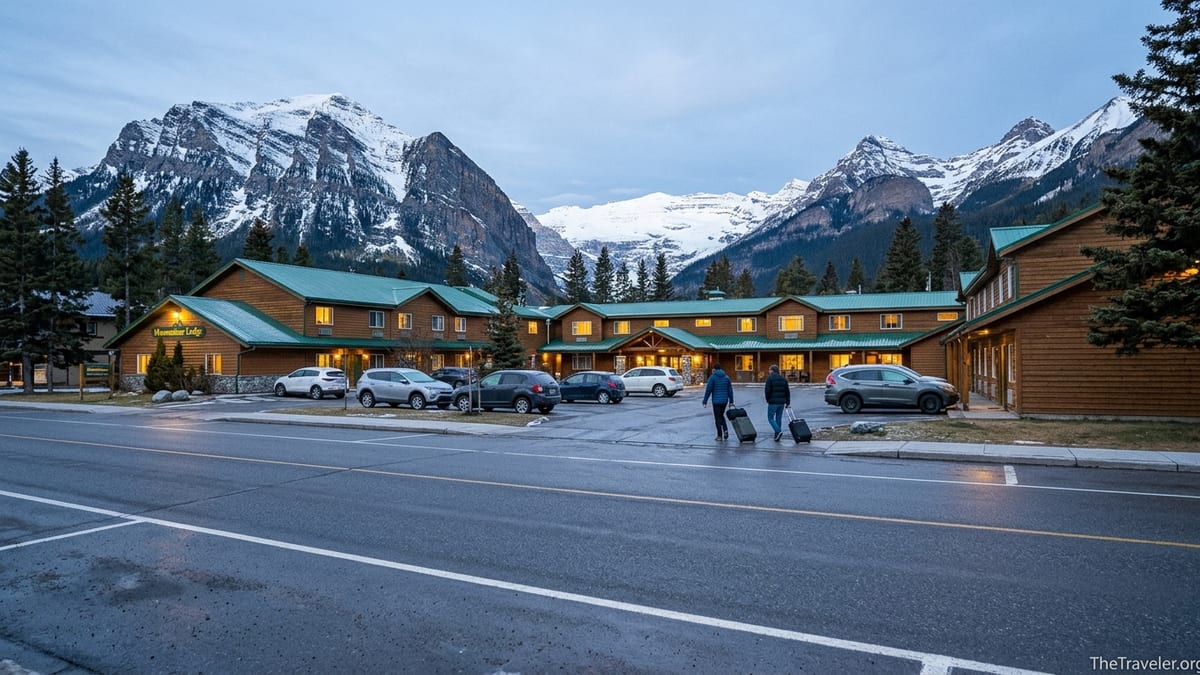
Mountaineer Lodge sits in the village of Lake Louise, roughly a five‑minute drive from Lake Louise Ski Resort and a short drive up to the lake itself. It fills a sweet spot between basic motels and high-end icons like the lakeside chateau, with renovated rooms, suites, and family options spread across the Main Lodge and Timber Building. Amenities such as microwaves, mini fridges, in-room coffee and tea, free Wi‑Fi, and access to a hot tub and steam room give it strong value for a resort-area property in Banff National Park.
This mix of comfort and value, plus the central location, means demand runs high whenever Lake Louise is in the spotlight. During peak July and August hiking season or prime ski weekends from late December into March, rates climb and rooms can sell out weeks or months in advance. Third‑party booking sites often show only a handful of remaining rooms at higher nightly prices, while the lodge’s own channels may already be close to full as well.
On the other hand, Mountaineer Lodge is also one of the more accessible price points in Lake Louise. External booking sites that aggregate Canadian Rockies hotels list “starting at” rates around the low 200 Canadian dollars per night for standard rooms outside peak windows, compared with significantly higher typical starting points at luxury properties closer to the lake. In practical terms, that means budget‑minded skiers or hikers can still make Lake Louise work if they are flexible on dates and room type.
Understanding where Mountaineer Lodge sits in the local hotel market helps explain why timing and booking method can have such a dramatic impact. The same Two Queen Timber Room that might run just over 200 Canadian dollars on a quiet November weeknight can be closer to double that during a July weekend with good weather and strong demand.
Best Times of Year to Get Lower Rates
Lake Louise pricing follows the rhythm of the Rockies: expensive when everyone wants to be there, softer when conditions are uncertain or crowds thin out. For Mountaineer Lodge, you can broadly think in four seasons: winter ski, peak summer, shoulder seasons, and true low season.
Winter ski season typically runs from late November into April at Lake Louise Ski Resort, with the richest demand from late December holidays through March. On mid‑winter weekends, many Banff and Lake Louise hotels now routinely push well above 300 Canadian dollars per night for midrange rooms. Mountaineer Lodge often undercuts that, but you should still expect a clear premium compared with quieter months, especially around New Year’s, long weekends, and spring break periods.
Peak summer runs roughly late June through early September. This is when hikers, road trippers, and tour groups all converge. Regional travel sites that track Banff and Lake Louise by month often show July and August lodging prices at or near their highest levels of the year, reflecting demand for lakeside views, larch-free and snow‑free trails, and long daylight hours. In this period, you are paying to be close to icons like Lake Louise and nearby Moraine Lake, and Mountaineer Lodge’s proximity keeps it in high demand.
Shoulder seasons, especially late April to early June and late September into early November, are where value lives. In these weeks, weather is more variable: you might get slushy trails and lingering snowbanks in May or thin early‑season coverage on ski slopes in late November. In return, hotel rates commonly drop 20 to 30 percent compared with peak summer, and you are more likely to find standard rooms and family rooms still available at Mountaineer Lodge even a month or two before arrival.
True low season in Lake Louise typically appears in early November and sometimes the very tail end of April. Local travelers frequently note that hotel prices in early November are about as low as they get for the year. If your priority is stretching your budget rather than chasing perfect conditions, booking Mountaineer Lodge in the first half of November or just before the full summer rush in early June can deliver the best price‑to‑experience ratio.
How to Use Direct Booking for Better Rates and Flexibility
Mountaineer Lodge explicitly encourages direct booking, and the details matter if you are chasing value. The lodge’s own site promotes a standing “Book Direct” offer, typically advertising savings of around 5 to 10 percent per night compared with large online travel agencies. That discount is built into the nightly rate you see when you search for dates on the official channels, so what may look like a small difference per night becomes significant over a longer stay.
Consider a simple example. In shoulder season, an external booking site might show a Two Queen Timber Room at around 235 Canadian dollars per night for a three‑night stay. The same dates booked directly may appear closer to 215 to 220 per night once the direct booking savings are factored in. Over three nights, that can mean a difference of roughly 50 to 60 dollars before tax, enough to cover a breakfast or a casual dinner in the village.
Direct booking also tends to come with more flexible policies. Mountaineer Lodge notes that its direct reservations usually carry a much shorter cancellation window than major third‑party sites. While exact terms can change over time, the trend has been that guests who book direct can cancel or change dates closer to arrival than those who booked through intermediary platforms. For travelers planning far in advance, that added flexibility is worth as much as the nightly discount, especially when weather and wildfire conditions are unpredictable.
Another subtle but real advantage of booking direct is better access to room types and special requests. Because Mountaineer Lodge manages its own inventory, certain specific configurations, such as a ground‑floor Deluxe King in the Main Lodge or a dog‑friendly Queen with sofa bed in the Timber Building, may be easier to secure via direct communication by email or phone once you have made the reservation on the lodge’s site. For families needing rooms near one another or skiers who want easy access to ski storage and breakfast, this can materially improve the stay without changing the nightly rate.
Choosing Dates: Matching Seasons to Your Travel Style
Once you have decided to focus on Mountaineer Lodge, the next step is aligning your travel dates with the kind of trip you want. Each season offers a different mix of activities, crowd levels, and price points, and that combination should guide when you lock in a booking.
For skiers and snowboarders, December through March offers the most reliable snow at Lake Louise Ski Resort. If you are chasing fresh snow and full terrain, aim for mid‑January through early March midweek dates, when slopes are busy but more manageable than holiday peaks. Staying at Mountaineer Lodge during this window keeps you near the free or low‑cost ski shuttles that run from the village to the resort, saving you both parking fees and time compared with driving in daily from further down the valley.
If lakeside scenery and hiking are the draw, late June to early September is when Lake Louise finally sheds most of its ice and popular trails are typically snow‑free. Expect higher rates at Mountaineer Lodge during this window, particularly around Canadian and American long weekends. To soften the impact, look at travelling Sunday to Thursday, when demand from local weekenders is lower and nightly prices sometimes edge down compared with Friday and Saturday nights.
Those open to some unpredictability can find a sweet spot in late September and early October. At this time of year, larch trees around nearby trails change color, the first frosts add drama to the scenery, and many family travelers have already returned home for the school year. For Mountaineer Lodge, that can translate into more moderate nightly rates and better room choices, such as family suites or larger Mountaineer Suites that might be prohibitively expensive in August.
Room Types and Add‑Ons That Influence Value
Not all rooms are created equal when it comes to squeezing value from Mountaineer Lodge. The property spreads its accommodation across two buildings: the Main Lodge, which offers more of the classic mountain‑lodge feel, and the Timber Building, which often appeals to families and guests who value proximity to the breakfast room, ski storage, and parking. Both buildings have been renovated with similar modern finishes, so price differences usually reflect size, layout, and small perks rather than a drastic quality gap.
Standard rooms like the Deluxe King Guest Room or a basic One Queen room typically work well for couples or solo travelers. These rooms tend to offer the lowest entry price on most dates and still include helpful features such as a microwave, mini fridge, and coffee and tea setup, plus boot and mitt dryers in some winter‑oriented units. If your goal is simply to keep costs down while staying close to the action, starting your search with these smaller categories can deliver the best value.
Larger configurations, such as Two Queen Family Rooms or Explorer‑style suites that sleep up to six, often carry a higher nightly rate but can work out cheaper per person for families or groups. For example, two couples who might otherwise book two separate standard rooms could instead split a Two Queen Lodge Room. Even if that larger room is 30 to 40 percent more than a basic Queen, the shared cost may still bring the individual nightly spend down. Add a microwave and mini fridge, and suddenly self‑catered breakfasts or picnic‑style dinners become practical, trimming the overall trip cost.
It is also important to factor in included and optional extras. Until late May 2026, Mountaineer Lodge includes a hot breakfast with every stay; from June 2026 onward, breakfast shifts to an optional paid add‑on at around 25 Canadian dollars per person. For a family of four, that difference is substantial: over three mornings, included breakfast is effectively a 300‑dollar value compared with paying separately. If keeping food costs low is a priority, consider targeting dates before that change or planning to make use of the in‑room fridge and microwave to manage your own breakfasts once the policy switches.
Practical Booking Strategies: Examples That Save Money
To translate all this into concrete outcomes, it helps to walk through practical examples. Imagine a couple from Seattle planning a four‑night ski trip in February. They initially look at a Friday‑to‑Tuesday window, finding a Deluxe King at Mountaineer Lodge through a large online travel agency at roughly 310 Canadian dollars per night. By checking the same dates on the lodge’s own booking engine, they see a slightly lower rate, around 290 per night after direct‑booking savings. Then they experiment with shifting the trip to Sunday‑to‑Thursday and discover those midweek nights fall to about 260. With one simple date adjustment and a change in booking method, they have trimmed around 200 dollars from the total bill.
Now consider a family of five eyeing a summer road trip for mid‑August. Their first instinct is to center the stay around a Saturday at Lake Louise. When they search, they discover family rooms and suites are nearly sold out, with remaining options well above 400 Canadian dollars per night. By pushing the trip into early September, right after local schools reopen, they find a Two Queen Family Room for closer to 320 per night midweek. They also call the lodge directly, asking about layout and confirming that a roll‑away bed can be added. The result is better sleep arrangements and an overall savings of several hundred dollars over four nights.
A third scenario: a pair of hikers wants to experience fall colors around Lake Louise without breaking the bank. They target the last week of September, which local guides often highlight as a transition to slightly lower hotel prices following the peak August rush. They book a One Queen Timber Room directly for roughly what a national chain hotel in a Canadian city might cost at that time of year, then build their hikes and shuttle bookings around those dates. Because they secured a room with a microwave and fridge, they purchase groceries in Calgary before driving up, cutting restaurant costs in the village.
In every case, the pattern is the same. Start with direct search on the Mountaineer Lodge site, test different arrival and departure days, and be prepared to nudge your trip just outside peak weekends or holiday windows. Combine that with room configurations that match your group size, and you will usually land on a materially better deal without sacrificing the quality of your stay.
On‑the‑Ground Logistics: Shuttles, Parking, and Local Costs
Nightly room rates are only part of the cost equation. One of the underrated advantages of staying in Lake Louise village, and particularly at Mountaineer Lodge, is access to transportation options and amenities that can offset other expenses. The lodge highlights free on‑site parking, a valuable perk in a region where paid parking at popular viewpoints like Lake Louise can approach 40 Canadian dollars per day in high season.
The property also benefits from ski shuttles and local transit connections. In winter, dedicated shuttles between the village and Lake Louise Ski Resort reduce the need to drive and pay for hill parking. During summer, Parks Canada operates shuttle systems for Lake Louise and Moraine Lake that depart from nearby park‑and‑ride hubs. While seats must usually be reserved in advance and carry a per‑person fee, planning your Mountaineer Lodge booking around shuttle availability can allow you to leave your car parked for long stretches, saving fuel and stress during crowded periods.
In addition, being based in the village gives immediate access to casual dining, a small grocery, and outdoor shops, all within a few minutes’ walk or drive. That reduces the temptation to eat every meal at premium lakeside restaurants. Many guests use the in‑room microwave and fridge to handle breakfasts and simple dinners, then reserve their dining splurges for one or two special meals or après‑ski outings.
Finally, it is worth remembering that Banff National Park requires a valid park pass for every day you are in the area, including days when you stay in Lake Louise. While this is not a hotel fee, it is a mandatory cost that should be factored into your budget alongside lodging. Booking a slightly shorter stay at Mountaineer Lodge during peak times, then pairing it with less expensive nights outside the park boundaries, can help balance the overall cost without sacrificing a night or two at your preferred base.
The Takeaway
Booking Mountaineer Lodge at the right time and in the right way is less about hunting a single secret deal and more about combining small, smart decisions. Choosing shoulder‑season dates instead of peak holidays, shifting a stay by a night or two, selecting a room type that fits your group, and booking directly through the lodge’s own channels all stack up to real savings.
If you are flexible on timing, late April, early June, late September, and early November are often the sweet spots where Mountaineer Lodge delivers its best blend of price and experience. Even if your trip must fall in busy ski or summer windows, paying attention to midweek dates, breakfast inclusions, and shuttle logistics will help you get more from every dollar you spend.
Most importantly, think of your booking as the foundation of the trip, not just a room key. Once you have secured the right rate and dates at Mountaineer Lodge, you can layer on ski passes, hiking plans, and sightseeing shuttles knowing that your base in Lake Louise is locked in at a fair price. In a destination where demand keeps rising year after year, that peace of mind is part of the real value.
FAQ
Q1. When is the cheapest time of year to stay at Mountaineer Lodge?
Early November and parts of late April are often among the least expensive periods, with lower demand and more frequent promotions. Shoulder weeks in late September and early June can also see noticeably softer rates than peak summer or mid‑winter holidays.
Q2. How far in advance should I book Mountaineer Lodge for summer?
For stays in July and August, aim to book three to six months in advance, especially if you need family rooms or suites. Popular weekends and holiday periods can fill earlier, while midweek stays sometimes remain available a little closer to arrival.
Q3. Is it really cheaper to book Mountaineer Lodge directly?
In many cases, yes. The lodge typically offers a standing discount of around 5 to 10 percent for direct bookings compared with large online travel agencies, and direct reservations often come with more flexible change and cancellation terms. It is still wise to compare final totals across channels before you commit.
Q4. Which room type offers the best value for families?
Two Queen Family Rooms and multi‑bedroom suites generally give the best value per person for families or small groups. They sleep more people in one unit, and the inclusion of microwaves and mini fridges makes simple self‑catered meals practical, reducing overall trip costs.
Q5. Does staying at Mountaineer Lodge include breakfast?
Mountaineer Lodge includes a hot buffet breakfast with stays until the end of May 2026. For stays from June 2026 onward, breakfast is available at an additional per‑person fee, so guests focused on budget may choose to self‑cater with the in‑room fridge and microwave instead.
Q6. How does ski season pricing compare with summer?
Mid‑winter and peak summer are both high‑demand periods, so rates are usually higher than in shoulder months. However, midweek ski dates in January or February can sometimes undercut prime August weekends, especially when paired with direct booking discounts or package offers.
Q7. Can I get better rates by staying midweek instead of weekends?
Often, yes. In both ski and summer seasons, Sunday‑to‑Thursday stays at Mountaineer Lodge can be priced lower than Friday and Saturday nights, when weekenders from nearby cities drive up. Testing different arrival days in the booking engine is one of the simplest ways to find savings.
Q8. Are there extra fees I should budget for besides the room rate?
You should plan for taxes, a daily park pass for Banff National Park, and any optional extras such as paid breakfast after mid‑2026 or shuttle tickets to popular sights like Lake Louise and Moraine Lake. Parking at the lodge itself is typically included, which helps offset costs compared with parking at busy viewpoints.
Q9. Is Mountaineer Lodge a good choice if I will not have a car?
For many travelers, yes. The lodge’s village location provides access to ski shuttles, Parks Canada buses, and basic services such as dining and a small grocery, so it is possible to rely on transit and walking for much of your stay. You will want to pre‑book shuttles in high season to ensure you can reach trailheads and lakes.
Q10. What should I do if my ideal dates are fully booked?
First, check alternative midweek dates adjacent to your original plan, as a one‑day shift can open availability. Next, contact the lodge directly to ask about cancellations or waitlists and whether different room types are available. If your dates are fixed, consider combining a shorter stay at Mountaineer Lodge with nights in nearby towns outside the park where availability may be greater.