


More news on this day
A SkyWest-operated United Express service designated as Flight SKW5781 diverted back to Denver International Airport shortly after departure, turning a routine regional hop into an unscheduled return that has drawn fresh attention to how regional carriers handle mid-flight disruptions and passenger care.
Get the latest news straight to your inbox!
Unscheduled Return Highlights Mid-Flight Disruption
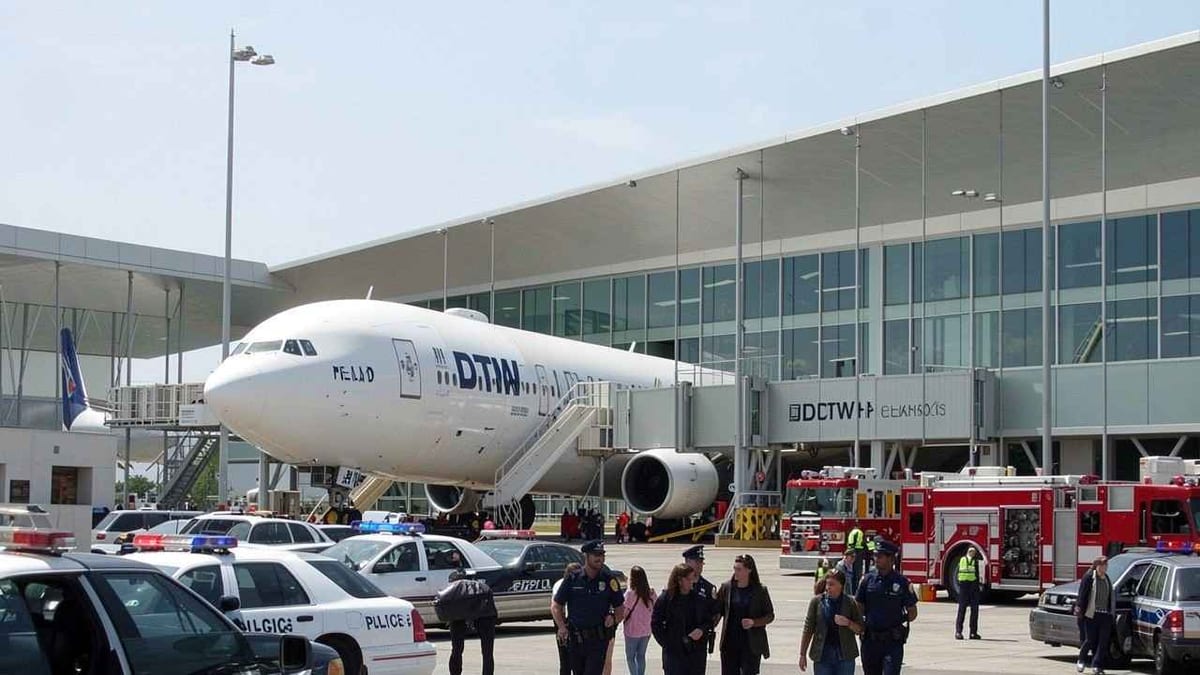
Publicly available flight-tracking data and passenger accounts posted online indicate that SkyWest Flight SKW5781, operating under the United Express banner, departed Denver and then reversed course not long into the journey, ultimately landing back at Denver International Airport instead of continuing to its intended destination. The flight path shows a relatively early decision to return, consistent with a precautionary approach when a potential issue is identified shortly after takeoff.
Initial information circulated on social platforms and aviation forums points to an operational or technical concern prompting the crew to discontinue the flight rather than proceed. There is no indication from publicly accessible reporting that the diversion involved a severe in-flight emergency, and available accounts do not describe injuries among those on board.
The incident fits within a broader pattern in which regional jets, often operating shorter sectors on behalf of major airlines, occasionally return to their departure hubs as a conservative safety measure. While such events can be unsettling for travelers, industry data and historic case studies suggest that precautionary diversions are a routine element of modern airline safety margins rather than evidence of systemic risk.
Runway availability and the hub status of Denver typically make it the most practical option for a return when a flight has only recently departed. Aircraft can be inspected by maintenance teams already based at the airport, and passengers have more options for rebooking because of the volume of connecting services operated throughout the day.
SkyWest’s Role in United’s Denver Network
SkyWest operates as a regional partner for United Airlines at Denver, flying under the United Express brand on routes that often connect smaller markets to the carrier’s Rocky Mountain hub. Traffic reports published by Denver International Airport show SkyWest among the busiest regional operators at the hub, reflecting its role in feeding mainline United flights with passengers from across the interior United States.
In this partnership model, flights like SKW5781 are marketed by United but flown by SkyWest crews on regional jets configured with fewer seats than mainline narrowbody aircraft. This approach allows United to sustain a dense network of spokes from Denver, where passenger volumes have increased over recent years according to airport traffic dashboards and airline schedule data.
Operational disruptions on regional flights can have outsized effects on smaller communities that may see only a few departures per day. When a flight diverts or cancels, travelers may have limited same-day alternatives, leading to longer delays compared with passengers at large hubs. That dynamic makes incidents such as the SKW5781 diversion particularly significant for affected travelers, even when the event is handled smoothly from a safety perspective.
Despite these challenges, regional affiliates like SkyWest remain integral to the hub-and-spoke structure of major U.S. carriers. Their dense schedules into hubs such as Denver help sustain connectivity to smaller destinations that might not otherwise support nonstop service.
What Diversions Mean for Passengers
For those on board Flight SKW5781, the diversion likely translated into both immediate disruption and a degree of uncertainty as plans changed mid-journey. Typical airline responses in such cases include deplaning passengers back into the terminal, conducting technical inspections of the aircraft, and weighing whether to continue the flight with the same plane, substitute equipment, or cancel the remaining sector.
Recent experiences shared by travelers on other diverted and delayed flights through Denver illustrate a common pattern: extended ground waits while crews and dispatchers assess aircraft status, followed by rebooking options that may range from later departures on the same route to alternative connections through other hubs. Hotel and meal arrangements may depend on the timing of the event and whether it is classified by the carrier as within its control.
In the case of a relatively quick return soon after departure, passengers can spend additional hours at the origin airport compared with a typical delay at the gate, as the aircraft must land, reach a gate, and offload baggage. For those with tight connections at the intended destination, missed onward flights can ripple across multi-city itineraries, potentially affecting travel plans days into the future.
For anxious flyers, any mid-flight turnback can feel alarming, yet aerospace safety studies and airline operational data consistently frame such decisions as signs that multiple layers of monitoring are working as designed. Flight crews, aircraft systems, and ground operations are set up to prioritize a safe landing at a familiar airfield whenever an anomaly arises that warrants further inspection.
Denver’s Growing Traffic and Operational Strain
Denver International Airport has recorded sustained growth in passenger numbers in recent reporting periods, with airport dashboards showing millions of travelers passing through each month and a substantial share connected to United and its regional partners. That level of activity can heighten the operational complexity around irregular events such as diversions, especially during peak travel times or challenging weather.
Winter conditions, in particular, are known to strain operations at Denver, where fog, snow, and deicing requirements can cause delays and ripple effects across connecting banks of flights. While current information around the SKW5781 incident centers on an inflight decision to return rather than weather-related disruption, any unscheduled movement must still be managed within a tightly choreographed airfield and gate environment.
Regional jets competing for gate space with larger narrowbody and widebody aircraft can contribute to congestion when an aircraft not originally planned to return suddenly reappears. Ground handling teams must free a gate, arrange for ramp services, and coordinate with passenger service staff to manage rebooking and customer communication.
For an airport that functions as a central hub, events like the SKW5781 diversion are handled alongside numerous other irregular operations each month. The cumulative effect underscores why airlines and airports invest heavily in predictive tools and contingency planning to keep passengers moving even when individual flights encounter problems.
Safety Systems and Transparency Expectations
SkyWest and United, like other U.S. carriers, operate under a safety framework that encourages crews to err on the side of caution when anything appears amiss in flight. Decisions to return to the departure airport or divert to an alternate are generally shaped by operational handbooks, regulatory standards, and real-time communication between pilots and operations centers.
Events such as the diversion of SKW5781 often prompt calls from travelers and aviation observers for clearer public explanations when flights do not go as planned. Airlines publishing more detail about the nature of disruptions can help passengers better understand whether a given situation was related to mechanical checks, airspace issues, weather, or other factors.
At the same time, the balance between technical transparency and operational privacy can be difficult to strike. Not all specifics are immediately available, and preliminary information may change as maintenance inspections and internal reviews progress. As a result, early accounts of incidents like SKW5781 are often pieced together from tracking data, schedule changes, and traveler reports rather than comprehensive official briefings.
The return of SkyWest Flight SKW5781 to Denver ultimately reinforces a core message of modern commercial aviation: diversions and turnbacks can be disruptive, but they are also central to a layered safety culture that favors conservative decisions when any doubt arises about continuing a flight as planned.