


More news on this day
American Airlines flight AAL813 made an unscheduled diversion to New Orleans, landing safely and allowing passengers to disembark after what tracking data and published reports describe as a precautionary change of course.
Get the latest news straight to your inbox!
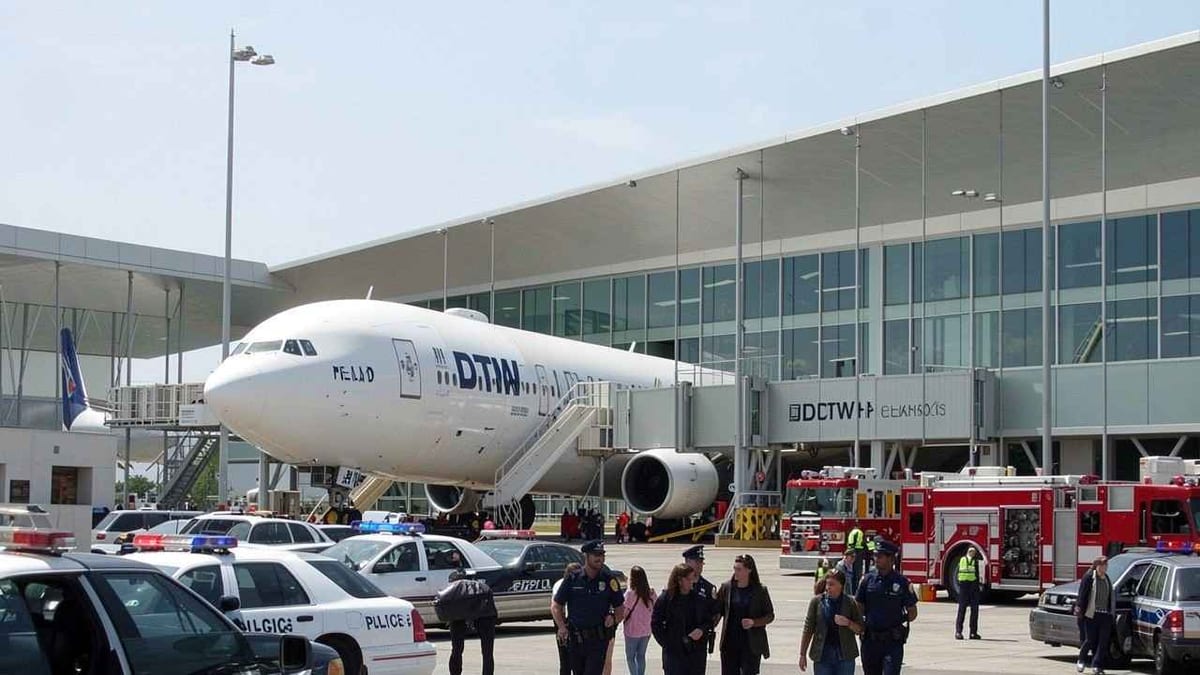
Midflight Change of Course for AAL813
American Airlines flight AAL813 was en route on its scheduled service when the aircraft diverted to Louis Armstrong New Orleans International Airport, interrupting the original flight plan but concluding the sector safely on the ground. Publicly available flight-tracking information shows the jet altering course toward New Orleans and completing a controlled landing there, rather than proceeding to its intended destination.
Reports indicate that the diversion unfolded in a routine manner from an operational and safety perspective. The aircraft descended steadily toward New Orleans, where it taxied to the gate after landing. There were no immediate indications of injuries, and available information suggests that the event was handled as a standard precautionary diversion.
Once on the ground, passengers were able to leave the aircraft and await next steps from the airline. As is typical after unplanned stops, the focus shifted to assessing the aircraft, coordinating crew schedules, and arranging onward travel options for affected travelers.
What Is Known About the Diversion
As of the latest published coverage, the specific trigger for the diversion of AAL813 to New Orleans has not been detailed in official public statements. In situations like this, diversions can be linked to a range of factors, including potential technical issues, onboard medical situations, evolving weather along the route, or air traffic constraints.
Flight-tracking data and incident summaries consulted for this report show that the aircraft remained in controlled flight and did not broadcast any obvious emergency code that would typically accompany a more serious in-flight event. That pattern aligns with a precautionary decision by the crew and operations team to route the flight to a suitable airport rather than continue to the original destination.
New Orleans is a common diversion point along several heavily traveled domestic corridors, and its facilities are equipped to handle unplanned arrivals of mainline jets. The airport offers maintenance support, refueling options, and the ability to rebook large numbers of passengers, which often makes it a practical choice when an airline needs to reroute a flight.
Impact on Passengers and Operations
For passengers aboard AAL813, the diversion meant an unexpected stop in New Orleans and a period of uncertainty while crews and ground staff worked through safety checks and logistics. Travelers on similar diversions typically experience delays as bags are handled, crew duty times are reviewed, and new departure slots are arranged, particularly if the aircraft is not cleared to continue immediately.
According to publicly available information about recent American Airlines operational disruptions, diversions can cascade through an airline’s schedule, affecting not only the original flight but also later departures that are due to use the same aircraft or crew. In these cases, airlines often reassign aircraft, bring in reserve crews, or move passengers to alternate flights in order to restore the schedule.
Standard practice in the United States provides that passengers are returned to their ticketed destination once the airline can safely operate a replacement or onward flight. Depending on the cause of the diversion, travelers may receive meal vouchers, hotel accommodation, or rebooking assistance, but those arrangements vary by circumstance and are not automatic for every disruption.
Why Airlines Choose to Divert
Data from aviation safety and operations analyses show that diversions are a built-in part of modern airline flying rather than an indication of systemic danger. Airlines plan routes with multiple alternate airports in mind so that crews can respond quickly to new information such as shifting weather, passenger health concerns, or maintenance alerts. When conditions change, reaching an alternate airport can be the most conservative option for both safety and scheduling.
Studies of United States airline operations describe how carriers such as American Airlines balance fuel, weight limits, and route planning with regulatory requirements around reserve fuel and diversion options. Those studies highlight that even minor issues can lead a crew to exercise caution and divert, particularly when continuing would push the aircraft closer to operational limits or when ground support is better at another airport.
Recent seasons have also seen busy air traffic patterns, weather disruptions, and occasional technology issues that contribute to a higher likelihood of diversions across large networks. Against that backdrop, AAL813’s safe arrival in New Orleans fits into a broader pattern in which pilots and operations centers make conservative choices in real time as conditions evolve.
Context in a Summer of Irregular Operations
The diversion of AAL813 comes during a period of intense summer travel in the United States, when airlines are operating near capacity and the broader system is under strain from storms, congestion, and periodic technology outages. Public reports from recent weeks describe a mix of ground stops, rerouted flights, and extended delays across several major carriers, underscoring how quickly disruptions can ripple through the network.
Analyses of flight data for major United States airlines indicate that summer months regularly bring an uptick in delays and diversions as thunderstorms, heat-related performance limits, and busy hubs test the resilience of schedules. In that environment, a single diverted aircraft can trigger a reshuffle of aircraft and crew assignments to keep subsequent flights operating as close to schedule as possible.
For travelers, the experience of an unexpected diversion can be frustrating, but industry data and safety research consistently show that these decisions are made to preserve margins of safety and maintain control over unfolding situations. From that perspective, AAL813’s safe landing in New Orleans, followed by efforts to move passengers onward, reflects how airlines and flight crews are structured to respond when a planned route no longer represents the most prudent choice.