


Riding Maid of the Mist is one of those quintessential travel moments that lives up to the hype. What many visitors remember less fondly, however, are the long lines, confusing parking situations, and crowded mid‑day crush around the dock. With a bit of planning, you can experience the roar of Niagara Falls from the water while spending more time on the boat and less time in queues. This guide focuses on concrete, current strategies to help you plan a smooth Maid of the Mist trip with minimal waiting, whether you are visiting as a couple, a family, or a full wedding party.
Understanding How Maid of the Mist Works Today
Maid of the Mist operates exclusively from the United States side of Niagara Falls, boarding from the base of the Niagara Falls Observation Tower at Prospect Point in Niagara Falls State Park, New York. If you have seen references to boats on the Canadian side, those are typically City Cruises Niagara (often still called Hornblower) and are a completely separate operator. For Maid of the Mist, you will need to be on the U.S. side, inside the state park, regardless of whether you are staying at a hotel in Niagara Falls, New York or in Ontario across the border.
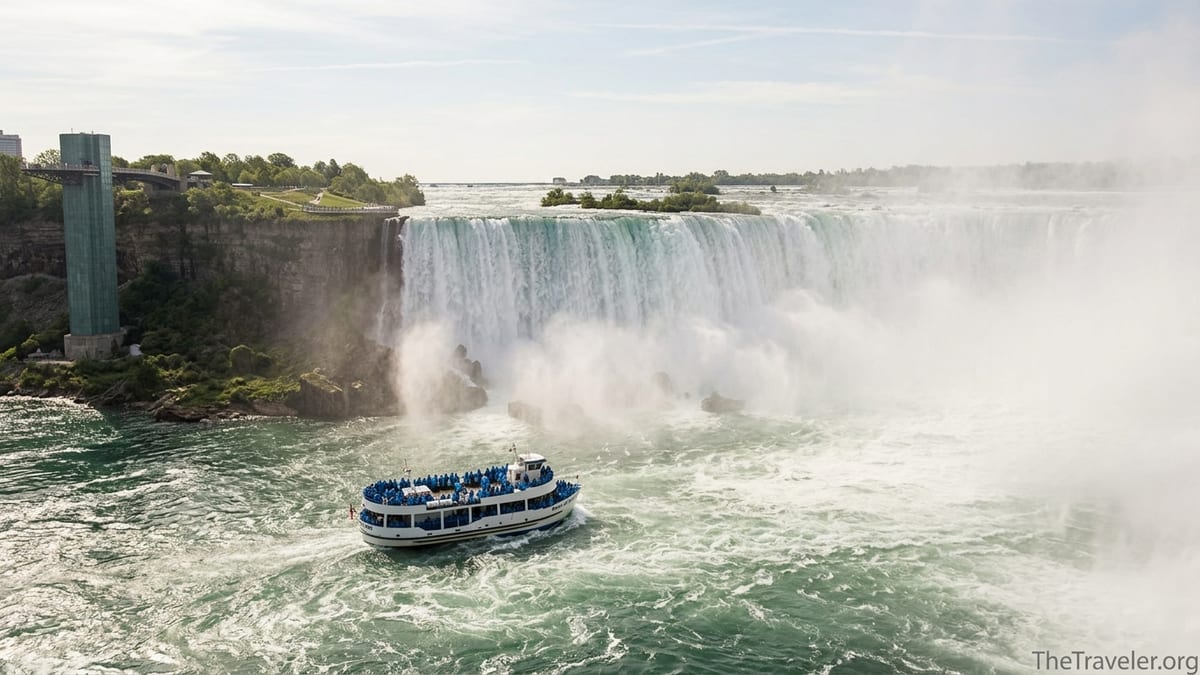
The experience itself is fairly streamlined. Your ticket includes elevator access down the Observation Tower, a poncho, and the boat ride that passes American Falls and Bridal Veil Falls before heading into the mist at Horseshoe Falls, then returns to the same dock. Actual cruising time is usually around 20 minutes, but you will want to budget at least an hour total to cover ticketing, security, elevator queuing, boarding, and disembarking. On a quiet May morning that hour may be generous; on a Saturday afternoon in August it can be optimistic.
Sailings operate frequently during the main season. In peak summer, boats often depart roughly every 15 minutes for most of the day, with fewer departures in the shoulder months. Operating seasons and hours vary slightly year to year based on ice and river conditions but typically run from late April or early May through late October. Shoulder seasons, particularly May and early June or late September, usually see noticeably shorter lines compared with the school‑holiday core of July and August.
Because ticketing and boarding are concentrated at a single location at Prospect Point, the main bottlenecks are predictable: the security and ticket plaza, the elevators down the tower, and the narrow boarding ramps to the boats. Planning your arrival time and approach with these pinch points in mind is the key to minimizing waits.
The Best Times and Seasons to Avoid Long Lines
The single best strategy to reduce waiting for Maid of the Mist is to ride early in the day. On busy summer Saturdays, the Niagara Falls State Park parking lots often begin to fill by mid‑morning, and the Maid of the Mist queue can swell dramatically between about 11 a.m. and 3 p.m. Visitors who arrive at Prospect Point around opening time, often in the 9 to 10 a.m. range during the main season, typically report walking onto the first or second boat with only modest waits for the elevator.
Seasonal timing matters as much as the hour of day. If your schedule is flexible, aim for late May or early June, or after Labor Day in September when U.S. schools are back in session. A Monday morning in mid‑September can feel almost relaxed compared with a Saturday in late July. The weather is still pleasant, daylight is long, and hotel rates on both sides of the border are often lower than peak summer prices, which further improves the overall value of your trip.
Even within a peak summer day, there are quieter pockets. Early afternoon tends to be the most crowded period as tour groups and day‑trippers converge. Late afternoon can ease slightly, especially on weekdays, but you should still expect lines for the elevator and boarding. If you cannot make it in the morning, a strategy many travelers use is to visit other nearby attractions like Cave of the Winds or the Niagara Gorge Discovery Center first thing, then shift to an early evening Maid of the Mist sailing when many bus tours have departed.
Weather is another subtle factor. A forecast of light rain or overcast skies often keeps some crowds away, yet the on‑boat experience changes very little since you receive a poncho and will be soaked by the falls anyway. Travelers who do not mind getting wet regardless can take advantage of slightly drearier days to enjoy shorter lines. Conversely, expect the longest waits on clear, warm Saturdays, on U.S. holiday weekends such as Memorial Day, Independence Day, and Labor Day, and when major events draw extra visitors to the region.
Tickets, Pricing, and What Really Saves Time
Maid of the Mist sells tickets on site at the Niagara Falls State Park ticket plaza near the Observation Tower. Prices are updated regularly, but as of the current season adult fares are typically in the mid‑20‑dollar range in U.S. currency, with reduced prices for children and free or steep discounts for very young kids. Taxes are included, and tickets cover both the boat ride and admission to the Observation Tower’s viewing deck.
Given the popularity of the attraction, many visitors assume that advance tickets or third‑party passes will automatically eliminate lines. In reality, pre‑purchased tickets can help but do not make you immune to waits. Having tickets in hand can reduce or remove time spent in the purchase line, particularly on busy weekends. However, you will still go through security, the elevator queue, and the boarding process with everyone else on your time slot. Where you can save the most time is by aligning your ticket strategy with your broader day plan rather than simply buying the first package you see.
Travelers staying on the U.S. side often consider bundle products that combine Maid of the Mist entry with other Niagara Falls State Park attractions, such as Cave of the Winds or the Niagara Adventure Theater, along with the park’s hop‑on shuttle. These can be good value if you plan to see several sights in a single day, but from a waiting‑in‑line perspective they are most helpful when they allow you to skip separate ticket purchase queues at each attraction. A family of five, for example, might purchase a package once in the morning and then move between Maid of the Mist and Cave of the Winds using that pass, avoiding additional payment lines at each stop.
Be cautious with unofficial ticket resellers, especially those advertising deeply discounted tickets in parking lots or on sandwich boards along city streets. These rarely save time, may not offer refunds if weather disrupts sailings, and sometimes add service fees that bring the final cost above what you would have paid directly at the park. When in doubt, buy from the official Maid of the Mist and Niagara Falls State Park channels, the park’s visitor center, or a reputable hotel concierge who works directly with the attraction.
Parking and Arriving: Beating the Rush Before You Even Queue
Because Maid of the Mist boards inside Niagara Falls State Park, your parking and arrival choices can dramatically affect how long you wait. The closest and most convenient option on the U.S. side is Parking Lot 1 at 333 Prospect Street, directly adjacent to the park’s main Welcome Center and a short walk to the Observation Tower and ticket plaza. Recent state park information shows that this lot charges around 10 dollars on most weekdays with slightly higher rates, often about 15 dollars, on peak‑season weekends. Fees and hours are subject to change, but the pattern of modest weekday pricing and higher weekend demand is consistent.
Lot 1 is extremely popular and often fills by late morning on busy summer Saturdays. Travelers who arrive by 9 a.m. on peak days are usually able to park in this lot and walk straight to the Maid of the Mist area in just a few minutes. If Lot 1 is full, attendants or electronic signs will redirect you to other state park lots, such as the Goat Island lots, which may add 10 to 15 minutes of walking time to reach Prospect Point. While that is still manageable, it can be an unwelcome surprise for guests with mobility concerns or families juggling strollers and wedding attire.
Visitors coming from farther afield, such as Buffalo or Rochester, sometimes prefer to park in private city lots a few blocks from the park entrances, especially when state park lots are full. Local guides list several downtown Niagara Falls, New York garages that charge roughly 10 to 20 dollars per day and are within a 5 to 15 minute walk of the park. This can be a practical choice if you plan to dine or shop in the downtown area before or after your boat tour. If you choose private parking, check signage carefully for overnight restrictions and verify whether the fee covers a full day or only a set number of hours.
If you are staying on the Canadian side, factor in the time required to cross the Rainbow Bridge, clear border formalities, and either walk or drive into the U.S. side of Niagara Falls State Park. Walking across the bridge and entering the park on foot is often the more predictable option during busy periods, as bridge traffic for vehicles can back up significantly on summer weekends and holidays. In that case, you can park at a Canadian lot near the bridge, walk across with your passport in hand, then follow signs to the state park and the Maid of the Mist boarding area. The walk from the bridge to the Observation Tower area is usually around 10 minutes.
Smart Queue Strategies at the Observation Tower and Dock
Once you are in Niagara Falls State Park and have your tickets, the focus shifts to navigating the queues at the Observation Tower and boarding area. The first bottleneck is typically the security and turnstile area leading into the tower. Arriving early in the day or later in the afternoon reduces the chance of long, snaking lines forming outside the entrance. Families and wedding parties should have bags, cameras, and small items organized before they reach security to move through more quickly.
Inside the tower, high‑speed elevators carry passengers down to the dock level. During less crowded periods, you may step onto an elevator within a few minutes. On busy afternoons, however, you may encounter a line that slowly feeds passengers into the elevator bank as each boat returns and disembarks. This is where many travelers underestimate the time required. A realistic expectation on a peak Saturday is 15 to 30 minutes spent in the elevator queue alone, even with boats departing frequently. If you are trying to keep a tight schedule, avoid stacking a firm restaurant reservation or group event immediately after your planned sailing time.
At dock level, you will join a staging area where passengers are funneled onto the next available boat. Crew members will ask groups to move forward and fill all available space, so keep your group close together and follow their directions for the fastest boarding. There is little advantage to trying to be the absolute first person in this staging line, since the crew will spread passengers along the deck. If you care most about a particular vantage point, like the front of the lower deck, it is usually enough to stay somewhere near the front half of your boarding group rather than at the very front.
On the return, disembarkation is generally quick, but there can be minor congestion on the ramps as passengers in ponchos file up toward the elevators. If you are not in a rush, lingering on the Observation Tower deck after your ride is a pleasant way to extend the experience, take photos, and let the elevator lines thin out again. This small pause can make the transition back to the top of the gorge more relaxed and is especially useful for groups with older relatives who may prefer to avoid dense crowds.
Planning a Seamless Visit for Wedding Parties and Groups
For many travelers, Maid of the Mist is a highlight of a wedding weekend or a group celebration trip to Niagara Falls. Bridal parties often schedule a group ride the day before the ceremony, with everyone in coordinated outfits under the blue ponchos. To make this kind of outing work without stress, it is essential to treat Maid of the Mist like a time‑specific event and not an informal, drop‑in attraction.
The most reliable approach for groups is to choose a morning time slot and build a generous buffer around it. For example, if you are organizing a 20‑person group staying at a hotel near Clifton Hill on the Canadian side, you might schedule your boat ride for late morning but plan to leave the hotel two hours earlier. That allows time for everyone to assemble in the lobby, walk across the Rainbow Bridge or ride together in a shuttle, clear border control if necessary, purchase or validate tickets, and still arrive at the Observation Tower shortly after opening when lines are modest.
Communication is vital. Share clear instructions in advance about what to bring, what to wear, and where to meet inside Niagara Falls State Park. Provide the address of Parking Lot 1 for guests driving themselves and emphasize that summers are busy, lots can fill, and credit card is typically required at state park parking kiosks. For guests who are not comfortable driving in a tourist area, consider hiring a small bus or arranging ride‑share groups that drop everyone near the main park entrance instead of each person circling for parking on their own.
Groups that include older adults, young children, or anyone with limited mobility should also plan around accessibility needs. Niagara Falls State Park offers accessible parking spaces in its official lots for vehicles with proper permits, and the Observation Tower elevators serve as the main access to the dock. Give those who may walk more slowly extra time to reach the tower, and consider placing a friend or family member at the ticket plaza early to coordinate as people arrive. Spreading out along the deck once on board is easy, but getting everyone through the pre‑ride choreography calmly is much smoother when timing is generous.
What to Wear, Pack, and Expect on Board
One of the joys of Maid of the Mist is how immersive the experience feels. One of the realities is that you will get very wet. The company provides a lightweight poncho at no extra charge, but these are designed primarily to shield your torso and upper legs from the heaviest spray. Your shoes, lower legs, and any exposed clothing will likely be soaked by the time the boat reaches the base of Horseshoe Falls, especially if you stand at the front or along the railings.
For adults, quick‑dry fabrics, secure footwear with good grip, and a light layer that can be worn under the poncho are ideal. Avoid heavy cotton hoodies or long denim jeans that will stay damp for hours. Many visitors in summer wear athletic shorts, a T‑shirt, and sandals or waterproof walking shoes. In shoulder seasons such as May or late September, consider a thin fleece or synthetic jacket under the poncho, as wind over the water can feel chilly when you are wet. Wedding parties sometimes change into casual outfits for the boat ride and then back into dress clothes afterward to stay comfortable and photograph‑ready.
On the practical side, assume that anything not in a sealed pocket or waterproof case may get damp. Small crossbody bags that fit under the poncho work better than large backpacks. Many travelers slip phones into basic waterproof sleeves or zip‑top plastic bags, which still allow you to take photos and videos without exposing your device to direct spray. If you wear eyeglasses, bringing a small microfiber cloth or even a simple tissue in a dry pocket is helpful once you return to the dock.
The atmosphere on board is energetic but generally relaxed. People crowd the railings on both decks as the boat approaches the falls, but you can usually find a good viewpoint by moving to either side rather than staying fixed in the center. Families with young children often prefer the lower deck, where railings feel more secure and the view is still excellent. Those less comfortable with intense spray can linger toward the rear of the boat, where the mist is lighter yet the panorama of the gorge remains impressive.
Sample Half‑Day and Full‑Day Itineraries With Minimal Waiting
Translating these strategies into a real‑world schedule can be the difference between a rushed experience and a memorable day. A practical half‑day itinerary for a family staying in Buffalo might look like this: depart Buffalo around 8 a.m., arrive at Parking Lot 1 in Niagara Falls State Park by 8:45 or 9 a.m., buy Maid of the Mist tickets at the plaza shortly after opening, and ride the boat between about 9:30 and 10:30 a.m. Afterward, spend an hour on the Observation Tower deck and walking the paths around Prospect Point before leaving the park early afternoon, beating both parking congestion and afternoon queues.
For visitors who want to combine Maid of the Mist with other attractions without long waits, a full‑day plan on the U.S. side might start with Cave of the Winds on Goat Island right at its opening time. After finishing that experience by late morning, you could take a break for lunch at a nearby café, then head to Maid of the Mist for an early afternoon or mid‑afternoon sailing when crowds are beginning to thin again. Finishing the day with a walk across Goat Island to Three Sisters Islands or relaxing at Terrapin Point offers a quieter contrast to the intense energy around the docks.
If you are staying on the Canadian side and wish to keep your day efficient, consider dedicating one morning entirely to the U.S. attractions and one afternoon or evening to the Canadian promenades and viewpoints. For example, you might cross the Rainbow Bridge on foot around 8:30 a.m., ride Maid of the Mist by 10 a.m., then explore the U.S. park trails and viewpoints until early afternoon before returning to your hotel in Ontario. Later, after a rest, you can stroll the illuminated Canadian waterfront to see the falls lit up at night, with no pressure to juggle boat schedules and border times in the same stretch of hours.
Travelers on tight timelines, such as those visiting Niagara as a side trip from Toronto or a cruise excursion, should always build in extra buffer for transportation and border crossings. Missing your preferred Maid of the Mist window because of highway traffic or customs delays is far more frustrating than arriving in the park 45 minutes early and enjoying an unhurried coffee or walk before boarding.
The Takeaway
Maid of the Mist is iconic for a reason. The combination of thundering water, swirling mist, and close‑up views of three different falls creates an experience that feels larger than the sum of its parts. With visitor numbers rising and summer weekends busier than ever, the difference between a magical outing and a mildly stressful one often comes down to timing and preparation rather than luck.
If you aim for early morning or shoulder‑season sailings, use state park parking strategically, arrive with tickets or a clear plan to purchase them, and treat the queues at the Observation Tower as part of your schedule rather than an afterthought, you can reduce your waiting dramatically. Add sensible clothing, simple waterproofing for your gear, and realistic buffer time for parking and border formalities, and you will be free to focus on what matters: the sound of the river, the feel of the mist, and the shared reaction on the faces of your travel companions as the boat glides into the heart of Niagara Falls.
FAQ
Q1. Do I need to book Maid of the Mist tickets in advance to avoid long waits?
Advance tickets can reduce or remove time spent in the purchase line, but they do not eliminate waits for security, elevators, or boarding. The most effective way to avoid long lines is to ride early in the morning or in the shoulder seasons, regardless of whether you buy tickets ahead or on site.
Q2. What is the best time of day to ride Maid of the Mist with minimal crowds?
The first few hours after opening are usually the quietest, especially on weekends. Arriving at Niagara Falls State Park around opening time often lets you park close by and board one of the first boats with relatively short queues.
Q3. How much time should I allow for the full Maid of the Mist experience?
The boat ride itself is about 20 minutes, but you should budget at least an hour total for ticketing, security, elevator lines, and boarding. On peak summer Saturdays and holidays, it is wise to allow 90 minutes or more so you are not rushed.
Q4. Where should I park to be closest to Maid of the Mist?
Parking Lot 1 at 333 Prospect Street on the U.S. side is the closest state park lot to the Welcome Center and the Maid of the Mist boarding area. On busy days it often fills by late morning, so arriving early improves your chances of finding a space there.
Q5. Can I walk from the Canadian side to Maid of the Mist?
Yes. You can park on the Canadian side, walk across the Rainbow Bridge with your passport, clear border inspection, and then follow signs to Niagara Falls State Park and the Observation Tower. The walk from the bridge to the boarding area is typically around 10 minutes.
Q6. What should I wear so I am comfortable during and after the ride?
Wear quick‑dry clothing, comfortable shoes with good grip, and consider a light layer under the provided poncho, especially in cooler months. Avoid heavy fabrics like thick denim that stay wet for a long time.
Q7. Is Maid of the Mist suitable for young children and older adults?
Yes, many families and multi‑generational groups ride Maid of the Mist. The boats have sturdy railings, and access is via elevators from the Observation Tower. However, there can be standing and crowding in lines, so allow extra time and support for anyone who moves more slowly.
Q8. Does buying a bundle or discovery pass help reduce lines?
Bundle or discovery‑style passes can save time by avoiding separate ticket purchase lines at multiple attractions, but they do not bypass security or boarding queues. They are most helpful if you plan to visit several Niagara Falls State Park sights on the same day.
Q9. What happens if the weather is rainy or windy on the day of my trip?
Maid of the Mist operates in light rain and overcast conditions, and you will receive a poncho either way, so being wet is part of the experience. Severe weather or unsafe river conditions can lead to delays or temporary suspensions, so check local updates on the day of your visit and keep your schedule flexible.
Q10. How far in advance should I arrive before my planned sailing time?
On a typical day, arriving 45 to 60 minutes before you hope to be on the boat is sufficient. During peak summer weekends or holiday periods, arriving 90 minutes early provides a safer buffer for parking, ticketing, and elevator queues, especially for groups or wedding parties with fixed plans later in the day.