


Buying travel insurance is one thing. Knowing exactly how to use it before anything goes wrong is another. With Mutuaide, a major French and European travel insurer used by tour operators, schools, and individual travelers, the key to real protection lies in what you do in the weeks and days before departure. This guide walks you step by step through how to choose, set up, and prepare to use Mutuaide travel insurance so you are ready long before you reach the airport.
Get the latest updates straight to your inbox!
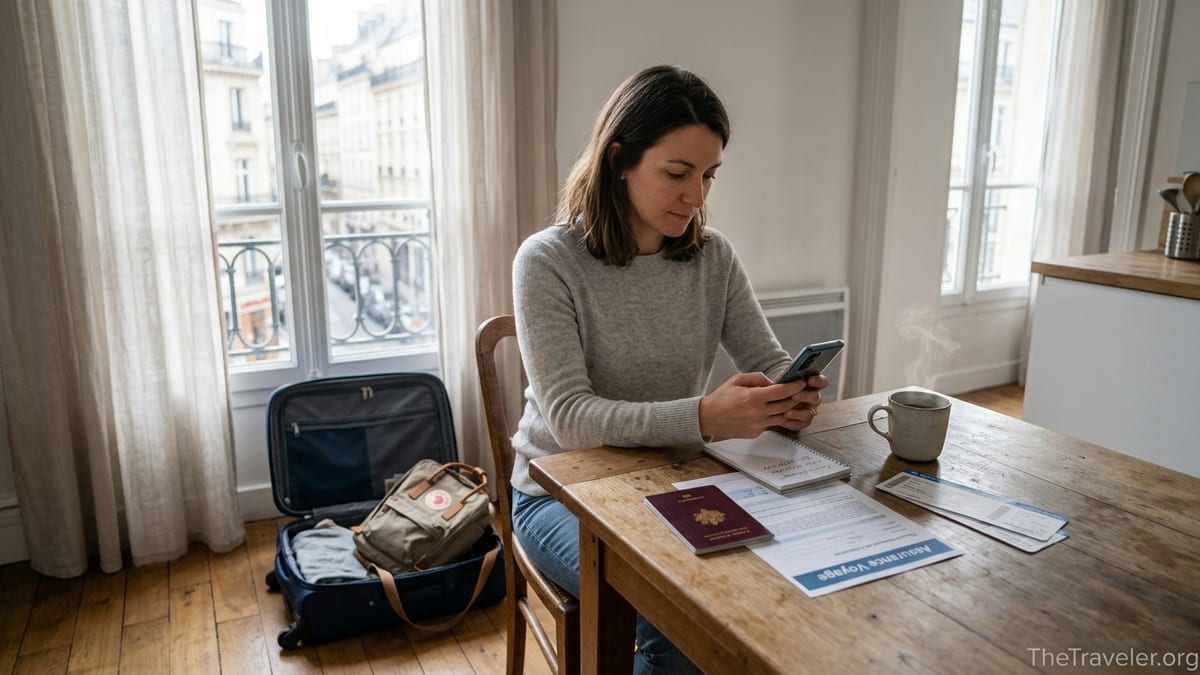
Understand What Mutuaide Travel Insurance Actually Covers Before You Buy
Before you can use Mutuaide effectively, you need a clear idea of what type of contract you are dealing with. Mutuaide offers several lines of travel coverage for private customers, typically grouped into assistance benefits and insurance benefits. Assistance covers things like medical evacuation, repatriation, medical advice and support in case of accident or sudden illness, while insurance benefits usually address cancellation, interruption of stay, lost or delayed baggage, personal liability and legal assistance. A typical "tourism" policy for vacation travel will combine both sets of guarantees.
In practical terms, a French family booking a one-week summer holiday in Spain through a tour operator might be offered a Mutuaide "voyage touristique" insurance add-on at checkout. That packaged policy can include trip cancellation for covered reasons before departure, medical and hospital expenses at destination, repatriation transport, and support services such as sending medicines from France if they are unavailable locally. For a business traveler insured under a professional travel policy, the emphasis might shift slightly toward assistance, emergency re-routing and interruption coverage rather than leisure-related guarantees.
Pricing reflects the breadth of these guarantees. For instance, Mutuaide’s individual tourism covers in France and Europe have been marketed in recent years with entry-level daily prices around a few euros per person for basic assistance, with additional cancellation or baggage options increasing the premium. The exact price depends on trip cost, traveler age, destination and options such as winter sports or vehicle rental protection. Understanding that your premium is linked to the trip value and destinations will help you supply accurate information at purchase and avoid disputes if you need to claim.
Because Mutuaide is also the underlying insurer behind many white-label products sold by tour agencies, language schools and outdoor specialists in Europe, you might hold Mutuaide coverage without realizing it. Before you buy anything else, check your booking confirmation and insurance information leaflet. If you see Mutuaide or Mutuaide Assistance named as the insurer or assistance provider, you should download the information notice and general conditions so you know exactly which incident types are covered before departure and which will only apply once your trip has started.
Compare Mutuaide With Existing Coverage: Cards, Employers and Other Policies
A crucial step before using Mutuaide travel insurance is checking whether you already have partial coverage from other sources. Many European travelers hold premium bank cards such as Visa Premier, Gold Mastercard or similar products that include travel assistance and limited cancellation or baggage coverage when the trip is paid with the card. In the United States and Canada, mid to high tier credit cards frequently come with some travel protection as well, but limits and conditions vary widely. Before you pay extra for a full Mutuaide package, review these existing benefits carefully.
Consider a French couple heading to Montreal for a 10 day winter break. They each have a Visa Premier card that already includes medical assistance abroad and some rescue and repatriation benefits for trips of up to about 90 days. However, their card contract might exclude cancellation for non-serious illness, job-related reasons or pandemic disruptions, and may cap medical expenses at a relatively modest amount for North America, where care is expensive. In this case, they could use a Mutuaide product sold through their tour operator to complement the card’s assistance with stronger medical, cancellation and interruption guarantees tailored to long-haul destinations.
Travelers employed by large companies often benefit from corporate travel insurance agreements that provide 24/7 assistance, emergency evacuation and sometimes security support when on business trips. A Mutuaide professional travel policy might already be in place for these trips and coordinated via the employer’s travel department. Before buying an individual Mutuaide policy, ask your HR or travel manager whether Mutuaide or another insurer already covers you, and if so, under which conditions. That way you avoid overlapping cover and can focus any extra Mutuaide purchase on leisure trips instead of business travel.
Finally, some tour companies, language schools, or youth camp providers bundle Mutuaide contracts directly into their packages. For example, a French teenager joining a two week English program in Ireland through a specialist agency may automatically benefit from a Mutuaide assistance and cancellation plan included in the package price. In that case, the parent’s task before departure is not to buy more insurance, but to obtain and read the Mutuaide information leaflet so they know what documents and deadlines apply if their child falls ill before departure or needs assistance abroad.
Step by Step: How to Buy a Mutuaide Travel Policy Before Departure
Once you have mapped your existing coverage and identified gaps, the next step is purchasing the appropriate Mutuaide product within the time limits specified. Many Mutuaide offers are sold either directly, through the insurer’s website, or indirectly by partners such as tour operators, caravan and camping providers, airlines, or brokers. The process is similar in both cases: you request a quote, supply trip and traveler details, choose options, then validate payment so that cover can take effect.
Imagine you are a solo traveler from Lyon planning a three week tour of Vietnam in October. After confirming your flights and local stays, you visit a partner agency’s site that uses Mutuaide for its travel insurance. You select the "touristic" formula with assistance and cancellation, specify your travel dates, country visited and total trip cost, then indicate your age and any chosen options such as sports activities. The system calculates a premium. If the daily assistance component costs around 3 euros a day and cancellation is priced as a small percentage of the trip cost, the total might come to around 90 to 140 euros depending on the trip value. When you pay and confirm, you immediately receive a certificate of insurance and a full information booklet by email.
Timing is important. For many Mutuaide products, cancellation guarantees begin the day after you buy the policy and continue until departure, but you are often required to purchase the contract shortly after booking your trip or before paying the final balance. If you wait to buy insurance until after a medical problem appears or after your employer announces a redundancy plan, the cancellation cover usually will not respond, because the event is no longer considered unforeseeable. As a rule, buy your Mutuaide cancellation cover as early as possible, ideally the same day you pay your first trip deposit.
During the online purchase stage, you will be asked to confirm that you have read and accepted the general conditions. This is not just a formality. Take a few minutes to skim the sections that describe definitions, covered events, exclusions and obligations in case of incident. Pay particular attention to the maximum reimbursement limits for medical expenses in your destination region, any deductibles, the list of accepted medical reasons for cancellation, and rules around pre-existing conditions. Understanding these points at purchase time is the best way to avoid unpleasant surprises later.
Organize Your Mutuaide Documents and Emergency Contacts
Once your policy is active, using Mutuaide effectively starts with simple but essential organization before departure. Your contract will come with an insurance certificate, sometimes in multiple languages, that proves you hold valid travel insurance for the dates and destination listed. This certificate may be required by consular services when applying for a visa, by some tour operators before confirming your participation, or by border officers in destinations that require proof of medical coverage.
Practically, print at least one paper copy of your certificate and keep it with your passport. Store a second copy in your main luggage and send a digital version to a trusted friend or family member at home. If you are traveling as a couple or family, make sure each adult carries a copy in case you get separated. For long trips, it can also be useful to carry a small plastic sleeve with the certificate, important medicine prescriptions and emergency contact numbers, so that local medical staff can quickly identify your insurer and assistance provider.
Mutuaide contracts include specific assistance phone numbers for calls from France and from abroad. For example, French tour operators often publish a domestic number and an international number beginning with +33 that connects directly to the Mutuaide assistance platform 24 hours a day. Before you travel, save these numbers in your phone under clear labels like "Mutuaide Assistance France" and "Mutuaide Assistance International". Also record your policy number and the name of the contract (for instance the contract number used by your tour company) in the note field. In an emergency, you or someone helping you should be able to find this in seconds.
Many Mutuaide travel offers now come with access to a digital assistance app which centralizes support functions, lets you follow claim progress, and can provide geolocated information or teleconsultation when available. If your contract mentions such an app, download it at home on Wi-Fi, create your account and log in at least once before departure. This ensures your login works and your policy is recognized, instead of discovering connection issues from a hotel room after something has gone wrong.
Know When and How to Contact Mutuaide Before Your Trip if Problems Arise
While most people associate travel insurance with problems that occur during the trip, Mutuaide can already be useful in the days and weeks leading up to your departure. The most common pre-trip use is trip cancellation, but other situations such as delayed departure, denied boarding for medical reasons or mandatory quarantine instructions can also trigger cover depending on contract terms. The key principle is simple: as soon as you know about a problem that might impact your trip, contact both your travel provider and Mutuaide or its claims service promptly.
Consider a concrete example. You are scheduled to fly from Paris to Athens for a hiking trip organized through a French agency that uses Mutuaide for cancellation and assistance. Ten days before departure, you sprain your ankle badly and your doctor prescribes immobilization for three weeks. You immediately inform the tour agency that you may have to cancel, and you ask your doctor for a medical certificate detailing the diagnosis, date and consequences for travel. Within a few days, your doctor confirms in writing that you are unfit to travel. Under many Mutuaide cancellation guarantees, this type of serious, documented medical event occurring before departure is a covered cause. You then submit a claim to Mutuaide’s insurance service, attaching the medical certificate, booking invoices and proof of payment, following the instructions in your policy leaflet.
Deadlines matter. In general, Mutuaide policies require you to declare an incident that may lead to cancellation within a short period, often around five working days from the moment you become aware of it. Waiting until after the scheduled departure date to open a claim can lead to a refusal. Similarly, if an airline cancels your flight or your tour operator becomes insolvent, you should first look at the compensation and refund options they offer, but you should also notify Mutuaide’s insurance department within the stated timeframe, even if the final loss is not yet clear. That way your claim is registered in time if residual costs remain.
Some Mutuaide contracts also include a "consultation" function before departure to advise you on medical requirements, vaccinations or local health risks. While these services do not replace specialized travel medicine consultations, they can help you understand whether your planned activities are compatible with your health status, which vaccines might be recommended, or whether your prescribed medicines may face import restrictions at destination. Calling the assistance platform a few weeks before a complex trip, particularly to remote or high altitude destinations, can provide useful reassurance and help you fine-tune your preparations.
Prepare Documentation So Mutuaide Can Process Claims Smoothly
Using Mutuaide successfully often depends less on filling in lengthy forms and more on having the right paperwork available at the right time. Before departure, you can already assemble a basic file that will greatly simplify any future claim, whether it involves cancellation, baggage or delayed return. Start by keeping all purchase proofs for your trip: booking confirmations, invoices, flight e-tickets, accommodation vouchers and receipts for activities or excursions paid in advance.
For example, imagine you book a two week trekking tour in the Alps with a specialist agency that works with Mutuaide. You pay a 30 percent deposit in January and the balance six weeks before departure. If you later need to cancel for a covered reason, Mutuaide will typically ask for the detailed invoice showing the cost of the trip, the cancellation conditions, your payment proofs such as card statements or transfer confirmations, and the cancellation invoice issued by the agency. Storing digital copies of all these documents in a dedicated folder in your email or cloud storage before you travel means you can send them in minutes if something goes wrong.
If you are traveling with expensive personal equipment such as cameras, sports gear or professional laptops, keep purchase receipts or valuation documents where possible. While basic Mutuaide travel policies often provide standard baggage and personal effects cover with fixed maximums per item and per trip, having receipts ready will put you in a stronger position if a bag is lost in transit and you need to prove the value of its contents. Remember that travel insurance usually complements, rather than replaces, compensation from airlines or transport companies, so you may be asked to provide their written response and any refund they have already granted.
Finally, make note of any special declarations required for high value items or pre-existing medical conditions. In some cases, if you plan a long trip or have a complex health history, Mutuaide or the intermediary broker might ask for additional information at the time of subscription. Answer these questions accurately and keep copies of any medical reports you provide. Disclosing relevant facts up front, rather than hiding them, protects your rights if you later need medical assistance or cancellation related to those conditions.
The Takeaway
Mutuaide is widely used in European travel, but its value depends heavily on the steps you take before leaving home. Choosing the right product, understanding which events are covered, and buying your policy early are the foundations. Just as important, though, are simple organizational actions: saving emergency numbers, printing certificates, downloading the assistance app and keeping a tidy digital folder of invoices, receipts and key documents.
Real world examples show how these preparations play out. A sprained ankle before departure, an unexpected job offer that overlaps with your trip dates, an airline cancellation the night before your flight or a sudden family emergency that forces you to postpone a long planned journey are all situations that Mutuaide policies are designed to address, within the limits and definitions in your contract. Travelers who react quickly, notify their travel providers and Mutuaide, and can supply clear documentation generally experience faster decisions and reimbursements.
Ultimately, using Mutuaide travel insurance step by step before your trip is about anticipation rather than anxiety. By doing a few targeted checks and preparations in advance, you transform your policy from a theoretical safety net into a practical tool that can protect both your finances and your peace of mind if plans change before you even reach the airport.
FAQ
Q1. When should I buy my Mutuaide travel insurance to benefit from cancellation cover?
For most Mutuaide products, you should purchase cancellation cover as soon as you book your trip or pay the first deposit. Buying early ensures that unforeseeable events such as sudden illness or job loss arising weeks before departure can be considered. Waiting until just before the trip, or after a problem has already appeared, may mean the event is not covered.
Q2. How do I know if I already have Mutuaide coverage through a tour operator or school?
Check your booking confirmation, general terms and any separate insurance leaflet provided by the organizer. If Mutuaide or Mutuaide Assistance is named as the insurer or assistance provider, you likely already benefit from their cover for the specific trip. Ask the organizer for the detailed information notice and contract number so you know which guarantees apply.
Q3. Does Mutuaide replace the travel insurance included with my credit card?
Not necessarily. Credit card insurance often provides limited assistance and partial cancellation or baggage cover under certain conditions, such as paying the trip with the card. A dedicated Mutuaide policy can complement this by adding broader cancellation reasons, higher medical limits or specific guarantees required by your destination. It is best to compare both sets of terms before deciding whether you need additional cover.
Q4. What documents will Mutuaide ask for if I cancel my trip before departure?
Typically Mutuaide will require your trip booking confirmation, detailed invoice, proof of payments, the cancellation invoice issued by your agency or airline, and evidence of the cause of cancellation such as a medical certificate, employer letter or official notice. Preparing digital copies of these documents in advance makes it easier to submit a complete claim within the required time limit.
Q5. How quickly do I need to declare a potential claim to Mutuaide?
Most Mutuaide contracts specify that you must report an incident that could lead to a claim, such as a serious illness or accident before departure, within a short period, often around five working days from when you become aware of it. Always check your own policy wording, and when in doubt, notify Mutuaide or the claims handler as soon as possible.
Q6. Do I need to call Mutuaide before seeing a doctor if I get sick shortly before my trip?
If the illness might cause you to cancel or postpone your trip, your first step is usually to see a doctor locally to obtain a diagnosis and medical certificate. Once you have medical advice indicating that travel may be impossible or risky, you should then contact Mutuaide’s claims service, as well as your travel provider, to discuss cancellation or modification options according to your contract.
Q7. How can I prove my baggage contents if I later need to make a claim?
Before traveling, keep purchase receipts or proof of value for more expensive items like electronics, sports gear or jewelry, and consider taking photos of your packed luggage. If your bag is lost or delayed, you will first seek written confirmation and compensation from the transport company, then supply those documents and your own proofs of value to Mutuaide for any complementary reimbursement allowed by your policy.
Q8. Are pre-existing medical conditions covered if I need to cancel?
Coverage of pre-existing conditions can be limited or subject to specific rules in many travel insurance policies. Some Mutuaide contracts may exclude cancellations linked to known, unstable conditions, while others might cover them under certain criteria. It is essential to read the medical exclusions section of your policy and, if necessary, ask the broker or organizer for clarification before purchasing.
Q9. What should I do with my Mutuaide emergency numbers before leaving?
Save all Mutuaide assistance numbers provided in your documents into your phone, marking which is for calls from France and which is for calls from abroad. Write down your policy number and contract reference next to these contacts. It is also wise to print a small card with the numbers and your details to keep with your passport, so that medical staff or travel companions can reach Mutuaide quickly if needed.
Q10. Can I modify my Mutuaide policy if I extend my trip dates before departure?
In some cases you may be able to adjust travel dates or destination before departure, but this depends on the specific product and the intermediary selling it. If you know you will extend your trip, contact the agency, broker or Mutuaide service indicated on your certificate as early as possible. They can confirm whether your cover can be extended and what additional premium, if any, will apply.