


More news on this day
Passengers across Spain faced long queues, missed connections and overnight disruptions as a fresh wave of flight delays and cancellations hit major hubs including Barcelona, Madrid, Malaga, Alicante and Palma, with more than 570 services reportedly delayed and at least 28 scrapped in a single day.
Get the latest news straight to your inbox!
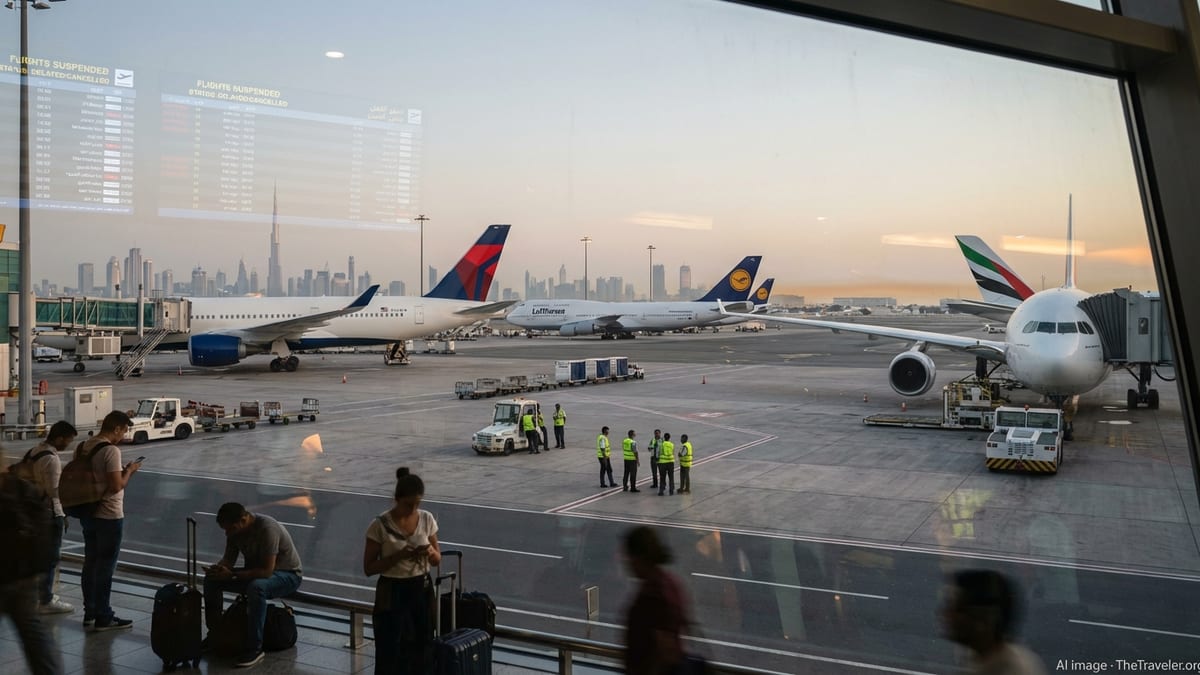
Widespread Disruption Across Spain’s Busiest Airports
According to data compiled from live flight-tracking dashboards and published airport information, a total of 574 flights were affected by delays while 28 services were cancelled on one of the season’s busiest travel days. The disruption was concentrated at Barcelona El Prat and Madrid Barajas, but also rippled through Malaga Costa del Sol, Alicante-Elche Miguel Hernández, Palma de Mallorca and several regional gateways.
Low cost carrier Vueling, alongside network airlines Iberia and Air Europa, featured prominently among the affected operators, reflecting their dense schedules on domestic trunk routes and popular Mediterranean links. Reports from Spanish media and aviation monitoring platforms indicate that knock on effects were felt not only on Spain’s internal network but also on short haul services to the rest of Europe.
While individual flights continued to depart, many did so significantly behind schedule, forcing passengers into lengthy waits at departure gates and crowded terminal concourses. In several cases, late running inbound aircraft triggered rolling delays throughout the day, as tight turnarounds left little margin for recovery once early services slipped.
The disruption came as Spain’s airports handle steadily rising traffic compared with recent years, intensifying pressure on airlines and ground services. Industry observers note that even limited operational stresses can now cascade rapidly through congested hubs, resulting in high volumes of delayed flights in a relatively short window.
Barcelona and Madrid Bear the Brunt of Delays
Barcelona El Prat, the country’s second busiest airport and the primary base for Vueling, saw some of the highest concentrations of delayed services. Publicly available flight boards showed long strings of departures pushed back by an hour or more, particularly on shuttle routes linking Barcelona with Palma, Malaga and other Spanish cities where aircraft and crews circulate several times daily.
Madrid Barajas, the main hub for Iberia and a key base for Air Europa, also experienced a wave of schedule disruptions. Heavily trafficked links between Madrid and coastal destinations such as Alicante, Malaga and Palma, which are popular with both leisure travellers and business passengers, were among those affected. Delays on these routes are particularly sensitive because they feed onward connections to long haul flights.
Data from travel and compensation platforms tracking on time performance suggested that some carriers managed to keep individual flights relatively punctual, but dense hub operations meant that any bottleneck in aircraft rotations could quickly translate into network wide delays. In practice this left many passengers seeing their departure times revised multiple times over the course of the day.
Airport terminal images shared by Spanish outlets showed crowded check in areas and long lines at security and customer service desks, as travellers sought rebooking options or information on their revised departure times. At several airports, evening wave departures ran significantly behind schedule as the day’s earlier delays continued to echo through final rotations.
Iberia, Vueling and Air Europa Among Most Affected Carriers
Spain’s three largest homegrown carriers, Iberia, Vueling and Air Europa, were particularly exposed due to their dominant presence on key domestic and regional routes. Vueling’s extensive European and Mediterranean network out of Barcelona and other Spanish airports, combined with its role feeding traffic into larger airline groups, meant that its delays had visible knock on effects across multiple cities.
Iberia and Air Europa, both operating dense shuttle style schedules between Madrid and coastal leisure markets as well as the Balearic Islands, also reported disrupted operations. Public data showed a mixture of moderate delays, more severe pushbacks of over two hours, and a series of outright cancellations where aircraft and crew availability or slot constraints made recovery unfeasible within the day’s remaining timetable.
Analysts following European airline performance note that the Spanish carriers, in common with peers elsewhere on the continent, have been working with tighter staffing and aircraft utilisation patterns than before the pandemic. This approach helps control costs but leaves limited reserve capacity to absorb sudden spikes in delays, whether caused by operational bottlenecks, congestion or adverse weather further up the network.
The situation also highlighted how interconnected airline alliances and codeshare partnerships can spread disruption. Flights marketed under one brand but operated by another meant that passengers booked through foreign carriers occasionally found their journeys affected by schedule changes within the Spanish operators’ networks, complicating rebooking and customer notification efforts.
Tourists and Local Travelers Face Missed Connections and Extra Costs
The timing of the disruption was particularly challenging for tourists at the start or end of holidays, as well as for residents relying on domestic links for business or family travel. Popular leisure destinations such as Palma de Mallorca and Malaga reported clusters of delayed arrivals and departures, with some travellers missing onward ferry connections, coach transfers or rail links.
Published coverage from consumer rights organisations and travel associations in Spain indicates that many passengers resorted to booking last minute hotels or alternative transport when evening flights were heavily delayed or cancelled. In busy coastal resorts and island destinations, this placed additional pressure on local accommodation markets that are already trading at high occupancy levels during peak periods.
For those connecting via Madrid or Barcelona to international services, even moderate delays on feeder flights sometimes proved enough to break carefully planned itineraries. Several long haul departures were reported to have left without all originally ticketed passengers, who then needed to be reprotected onto later flights, often a day or more after their original travel plans.
Travel advisers recommend that passengers transiting through major hubs build in additional buffer time during periods of frequent disruption and keep a close eye on real time flight status updates. In Spain, as across the European Union, consumer protection rules can offer compensation or reimbursement in certain circumstances, but travellers often need to document the length and cause of delays to support a later claim.
Growing Concerns Over Reliability Ahead of Peak Summer
The latest wave of delays and cancellations has renewed debate over the resilience of Spain’s air transport system ahead of the peak summer season, when passenger volumes typically surge across Mediterranean destinations. Industry commentators point to a combination of high demand, constrained staffing, aircraft maintenance backlogs and saturated airspace as factors that can converge to produce sudden spikes in disruption.
Historic punctuality statistics published by regulators and industry bodies already show that several of Spain’s main hubs experience regular pressure during busy periods, with low cost and network carriers alike occasionally struggling to maintain on time performance. Recent episodes of weather related disruption in Barcelona and Palma, as well as strike related cancellations at other carriers, have further underlined the fragility of some schedules.
Airlines have signalled that they are adjusting timetables, adding spare aircraft where possible and refining ground handling processes to improve resilience, but the level of disruption recorded across multiple airports on a single day underscores the scale of the challenge. Even small misalignments between scheduled and actual operations can result in hundreds of delayed services once amplified by the tight turnarounds that underpin low fare models.
For travellers planning trips in the coming weeks, travel experts suggest monitoring airline communications closely, checking in early online and considering flexible tickets or travel insurance that explicitly covers delays and cancellations. While most journeys will still operate broadly as planned, the latest events across Barcelona, Madrid, Malaga, Alicante and Palma indicate that Spain’s skies may remain turbulent for some time as airlines and airports work to stabilise operations under heavy demand.