


More news on this day
Domestic air travel in India is facing renewed disruption as fresh clusters of cancellations by IndiGo, SpiceJet, Akasa Air and other carriers affect key routes linking Mumbai, Delhi, Chennai, Bengaluru, Kolkata and additional metros, prompting schedule reshuffles and forcing passengers into last minute changes.
Get the latest news straight to your inbox!
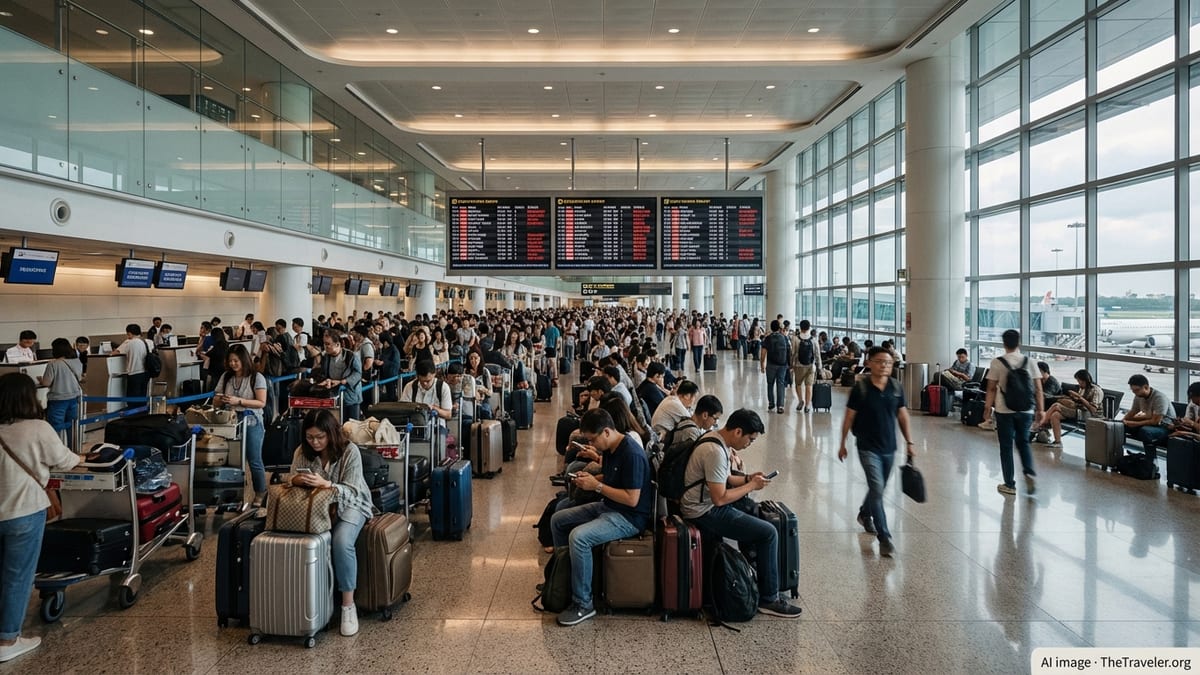
New Wave Of Cancellations Hits Core Domestic Corridors
Recent operational data and published coverage indicate that nearly a dozen flights have been withdrawn or scrubbed across India’s busiest metro corridors over the past 24 to 48 hours, echoing earlier disruption cycles that followed crew scheduling strains and weather related bottlenecks. Services touching major hubs such as Mumbai, Delhi, Chennai, Bengaluru and Kolkata are among those most affected, with several rotations removed from online schedules or converted into ad hoc combinations.
The pattern mirrors previous disruption phases in which short haul, high frequency routes between the country’s largest cities were used as a buffer to absorb operational pressures. When aircraft or crew are reassigned to cover network gaps, airlines often target sectors like Delhi to Mumbai, Bengaluru to Delhi and Delhi to Kolkata because they operate multiple times per day and can be consolidated with less notice than thinner regional routes.
While the current wave of cancellations is smaller in scale than the widespread upheaval seen during IndiGo’s scheduling crisis in late 2025, publicly available records on recent operations at Mumbai and Delhi show that even a limited number of cancellations on trunk routes can cascade into missed connections and overnight disruptions. Passengers on early morning and late evening departures appear especially exposed when there are fewer same day alternatives.
The latest cancellations come against a backdrop of elevated costs for Indian carriers, including higher fuel prices linked to Middle East tensions and longer routings on some international services. Analysts note that these pressures reduce the margin for error in day to day operations, leaving airlines more vulnerable when weather, maintenance or crew availability issues emerge on short notice.
IndiGo Still Under Scrutiny After Earlier Disruption Cycle
IndiGo, which carries well over half of India’s domestic passengers, remains under close scrutiny from travelers after the large scale disruption that struck its network in December 2025. During that episode, the airline cancelled or severely delayed hundreds of flights across major airports, including Delhi, Mumbai, Bengaluru, Chennai and Kolkata, leading to government monitoring of flight schedules and passenger handling.
Although the carrier has since restored most of its timetable and public data shows that cancellation rates on core routes such as Delhi to Mumbai and Bengaluru to Delhi have moderated, sporadic withdrawals continue to be reported when crews or aircraft are out of position. In the latest disruption window, a portion of the nearly dozen cancellations involves IndiGo services on key metro pairs, with affected passengers being shifted to later departures or offered refunds under India’s passenger charter rules.
Industry observers point out that even modest clusters of cancellations involving India’s largest airline can reshape airport departure boards, especially at peak times. When IndiGo removes a series of back to back rotations on a trunk route, remaining services on all carriers tend to fill quickly, narrowing rebooking options for travelers who do not have flexible dates or the means to purchase last minute premium fares.
Regulatory filings and airline statements following the 2025 crisis stressed the need for tighter crew planning and better contingency buffers. The ongoing, smaller scale cancellations suggest that IndiGo and its rivals are still balancing aggressive growth with operational resilience, particularly as demand on metro corridors remains robust.
SpiceJet And Akasa Air Face Operational And Competitive Strains
SpiceJet and Akasa Air, both active on key routes touching Mumbai, Delhi, Bengaluru, Chennai and Kolkata, are also featuring in the current disruption pattern. Reports from recent weeks highlight episodes in which SpiceJet passengers were left facing lengthy delays and overnight waits at Mumbai, after technical and scheduling issues led to cancellations and rolling pushbacks on domestic flights to Bengaluru, Delhi, Ahmedabad and other cities.
SpiceJet has been operating in a challenging financial and operational environment, with modest capacity growth compared with some rivals. When disruptions emerge, the airline’s relatively smaller active fleet limits its ability to deploy spare aircraft, making it harder to protect schedules without resorting to cancellations. The impact is especially visible at major hubs where the carrier runs concentrated banks of departures within tight time windows.
Akasa Air, a newer entrant that has been expanding its presence on metro and tier two routes, has generally maintained a steadier growth trajectory but has not been immune to cancellations or court disputes linked to earlier mass seat cancellations. Recent traffic statistics show the airline steadily increasing its share of domestic passengers, which heightens the consequences when even a handful of its departures on busy routes are withdrawn at short notice.
Competitive dynamics also play a role in how disruptions unfold. On sectors where IndiGo, SpiceJet, Akasa Air and full service rivals all operate, cancellations by one or two carriers can quickly push demand to the remaining airlines, tightening seat availability and raising fares for same day travel. In contrast, on routes where a low cost carrier has a dominant position, the removal of a single rotation may leave travelers with few affordable alternatives.
Airports And Weather Add Further Pressure To Fragile Schedules
India’s largest airports, including Delhi’s primary hub and Mumbai’s heavily utilised facilities, are operating close to capacity for much of the day, according to aviation data and previous government briefings. Under these conditions, small disruptions can grow quickly when aircraft queues lengthen, gates are fully occupied and turnaround times stretch beyond planned limits.
Recent weather episodes, such as intense rain and thunderstorms in the Delhi region in March 2026, prompted advisories from major airlines about potential delays and cancellations. When departures are held on the ground or inbound flights divert, airlines may preemptively cancel later rotations in order to reset the operation and free up aircraft and crew for the most in demand sectors.
Airport infrastructure, including runway maintenance and airspace management, further influences how resilient schedules can be. Temporary closures or restrictions for safety works compress traffic into narrower operating windows, especially at single runway airports, leaving carriers with less flexibility to recover from earlier disruptions in the day.
Observers note that the combination of tight airport capacity, seasonal weather risks and high utilisation of aircraft makes India’s domestic network particularly sensitive to shock events. When multiple airlines are running dense schedules on the same routes, operational stress at one carrier can spill over as others attempt to accommodate displaced passengers or adjust their own rotations to avoid compounding congestion.
What Passengers On Affected Routes Can Expect Now
For travelers booked on flights involving Mumbai, Delhi, Chennai, Bengaluru, Kolkata and other major hubs in the current disruption window, the immediate impact is likely to be longer journey times, resequenced itineraries or, in some cases, same day cancellations. Flight tracking dashboards and airport displays show that many services are still operating, but clusters of withdrawn or delayed departures appear around certain carriers and time bands.
Consumer advocates and travel specialists generally recommend that passengers monitor their flight status frequently in the 24 hours before departure, arrive at airports earlier than usual, and consider booking on routes or time slots that offer multiple daily frequencies to preserve rebooking options if disruptions worsen. Travelers with onward rail or international connections may benefit from additional buffer time or fully flexible tickets.
India’s passenger rights framework provides for refunds or alternate arrangements in the event of cancellations that fall within an airline’s control, and many carriers have dedicated sections on their websites explaining applicable compensation rules. However, passengers often need to proactively seek information at airport counters or through customer service channels, particularly during busy disruption periods when queues are long and staff are managing multiple delayed flights.
With cost pressures, airport constraints and regional tensions all feeding into operational risk, analysts suggest that periodic waves of cancellations and delays are likely to remain a feature of India’s aviation landscape. For now, the latest disruptions involving IndiGo, SpiceJet, Akasa Air and other airlines underscore the importance of building flexibility into travel plans on India’s most heavily trafficked corridors.