


More news on this day
Bali’s popularity with Indian travelers has reached record levels, but a parallel surge in remote workers, content creators, and long‑stay visitors using tourist visas is prompting Indonesian authorities to tighten enforcement and narrow the loopholes that once made the island an easy base for working holidays.
Get the latest news straight to your inbox!
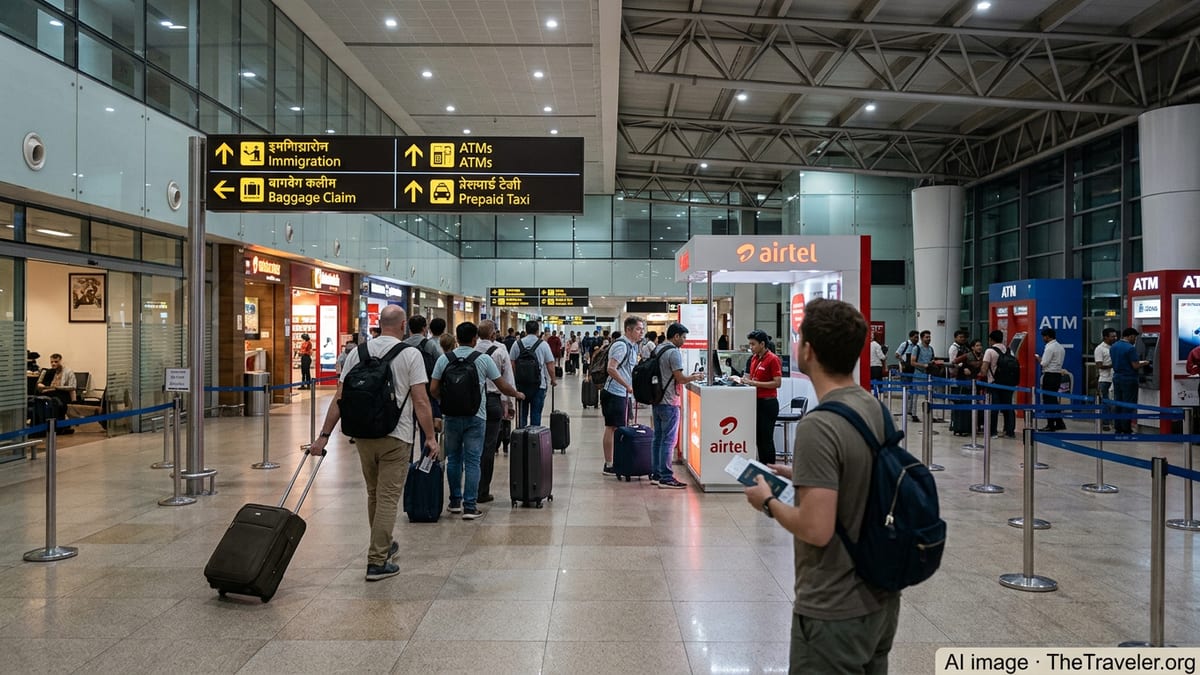
Indian Arrivals Climb as Bali Tightens the Rulebook
Publicly available tourism data show that India has rapidly become one of Bali’s most important source markets. Figures compiled by the Bali Statistics Agency for 2024 and 2025 place India consistently within the island’s top three visitor nationalities, alongside Australia and China, with more than half a million recorded arrivals in 2025 alone.
Industry summaries indicate that overall foreign arrivals to Bali reached nearly 7 million in 2025, surpassing pre‑pandemic levels and underlining how strongly the island has rebounded. Within that growth, India’s share has expanded steadily, helped by new and restored direct flights from major Indian cities, rising outbound travel demand, and Bali’s positioning in Indian media and social platforms as an aspirational yet relatively affordable international getaway.
Tourism analysts note that this boom is not limited to short leisure trips. Bali has also become an attractive base for Indian freelancers, influencers, yoga instructors, wellness coaches, and IT professionals who combine extended stays with remote work. However, many in these categories have relied on short‑term tourist visas or visa‑on‑arrival facilities, a practice that is now squarely in the crosshairs of Indonesian immigration enforcement.
Recent coverage in Indian and Indonesian media highlights that immigration officials in Bali have increased checks on travelers’ stated purpose of visit, sources of income, and online activity, particularly where there are signs of commercial work being carried out without an appropriate visa. The shift reflects a broader national push to ensure that foreign visitors align with clearly defined immigration categories.
From Workcations to Violations: What Counts as Visa Abuse
Reports on recent enforcement drives in Bali describe a wide spectrum of activities that can be treated as visa violations when undertaken on a tourist permit. These range from running paid retreats, workshops, or photo shoots to providing professional services such as consulting, photography, or real‑estate brokerage. Even selling products, operating pop‑up stalls, or accepting paid brand collaborations while in Indonesia can trigger closer scrutiny if the person is on a tourist visa.
Content creators, influencers, and social media marketers, including many from India, occupy a particularly gray zone. Public commentary by immigration officials, quoted in local media, indicates that promoting foreign brands, monetizing travel content filmed in Bali, or organizing sponsored campaigns may all be considered work if they generate income, regardless of where payments are processed. In several high‑profile cases over the past two years, foreign nationals have faced deportation for commercial activities deemed incompatible with their entry status.
Volunteer work is no longer viewed as harmless either. Coverage of recent cases notes that foreigners participating in unpaid roles for local businesses, non‑profits, or community projects can be classified as working without the correct visa, especially if their presence replaces a role that could otherwise be filled by a paid local worker. This has implications for Indian travelers drawn to teaching, community outreach, or wellness volunteering in Bali’s villages and retreat centers.
Immigration advisories further stress that overstays and frequent back‑to‑back visa runs are key red flags. Travelers who repeatedly exit and re‑enter on short tourist stays, or who extend multiple times while maintaining an obvious commercial presence, are now far more likely to be questioned, fined, or removed than they were a few years ago.
New Visa Pathways for Remote Workers and Long Stays
Alongside stricter enforcement, Indonesia is introducing clearer visa categories for digital nomads and remote professionals who wish to base themselves in Bali. Guidance published by immigration specialists describes the E33G Remote Worker Visa as a flagship option, intended for foreign nationals employed by companies located outside Indonesia and earning income from abroad.
According to these guides, the E33G typically requires applicants to demonstrate a stable foreign income at a defined minimum threshold, hold a passport with extended validity, and show proof of sufficient funds. The visa generally allows a one‑year stay that can be renewed multiple times, giving remote workers a structured route to live in Bali while staying on the right side of immigration and tax rules.
Other long‑stay options, such as limited stay permits and investor or second‑home visas, may be available for travelers who plan to base themselves in Indonesia for business, retirement, or property‑related reasons. Legal commentaries emphasize, however, that these categories come with detailed financial, documentation, and reporting requirements that differ significantly from the simple tourist visa‑on‑arrival process many Indian visitors are used to.
Travel and immigration advisory platforms increasingly recommend that Indians planning extended “workcations” or content‑driven stays seek professional advice and apply for the right visa before arrival, rather than attempting to “test the system” with repeated tourist entries. The trend in Bali points toward less tolerance for any blurred line between vacation and work.
What Indian Tourists Should Expect at Bali’s Border
Guidance from the Consulate General of India in Bali and other public advisories underline several procedural points that Indian travelers now need to consider carefully. First, passport validity is critical: Indonesian immigration typically expects at least six months of remaining validity beyond the planned date of departure, and even minor damage to passport pages can result in rejection at the border.
Visa‑on‑arrival remains available for Indian nationals, but travelers increasingly opt for electronic visas secured in advance, both to smooth processing and to signal clear intent. Recent rule changes also include a mandatory tourist levy collected per international visitor to Bali, intended to support environmental and cultural preservation; Indian tourists are advised to factor this into overall trip costs and payment arrangements.
Airport checks are reported to be more detailed, especially for solo travelers, long initial stays, or those carrying large quantities of professional equipment. Officers may ask for proof of accommodation, return tickets, and evidence of sufficient funds. Travelers whose public social media profiles highlight commercial activity or who arrive with extensive camera and production gear have faced additional questions about whether they intend to work while in Indonesia.
Those who cannot adequately explain their plans, or who appear to be mixing tourism with undeclared work, risk being denied entry even if they technically meet the basic tourist‑visa criteria. Travel industry briefings suggest that having a documented itinerary focused on leisure activities, along with clear answers about employment remaining based in India or elsewhere, can reduce complications at the immigration desk.
Staying Compliant: Practical Steps for Remote Workers and Creators
For Indian travelers who want more than a short holiday, the new environment in Bali demands a more cautious approach. Remote employees of Indian or global companies should confirm whether their role fits the criteria of the E33G or another long‑stay visa, and whether their employer is willing to support the necessary documentation. Freelancers, self‑employed professionals, and influencers may find it harder to qualify under current frameworks and should be prepared for longer lead times and stricter scrutiny.
Content creators planning to film, photograph, or produce sponsored material in Bali are advised by travel law commentators to separate personal travel from commercial work. That may mean scheduling purely leisure trips under a tourist visa and handling brand campaigns or paid shoots only after securing a visa that explicitly allows such activity. Where collaboration with Indonesian partners is involved, both sides must ensure that permits, tax registrations, and business structures comply with national law.
Volunteers and gap‑year travelers from India are being urged by non‑profit guidance platforms to verify whether their planned activities require a specific visa, especially if they involve teaching, physical work, or ongoing responsibilities. Short‑term cultural exchanges and workshops can quickly cross the line into what immigration views as labor, even if no salary is paid.
The underlying message for Indian visitors is clear: Bali’s visa landscape is no longer as forgiving as it once seemed. With Indian arrivals climbing and enforcement more visible, those hoping to blend holiday, work, and creative projects on the island of the gods now need to prepare far more carefully to avoid turning a dream trip into an expensive immigration dispute.