


More news on this day
American Airlines is preparing for a record-breaking summer 2026 even as the United States–Israel–Iran crisis keeps oil and jet fuel prices elevated, setting up a season in which demand, airfares and operating costs all climb at once and travelers face a more expensive and crowded peak period.
Get the latest news straight to your inbox!
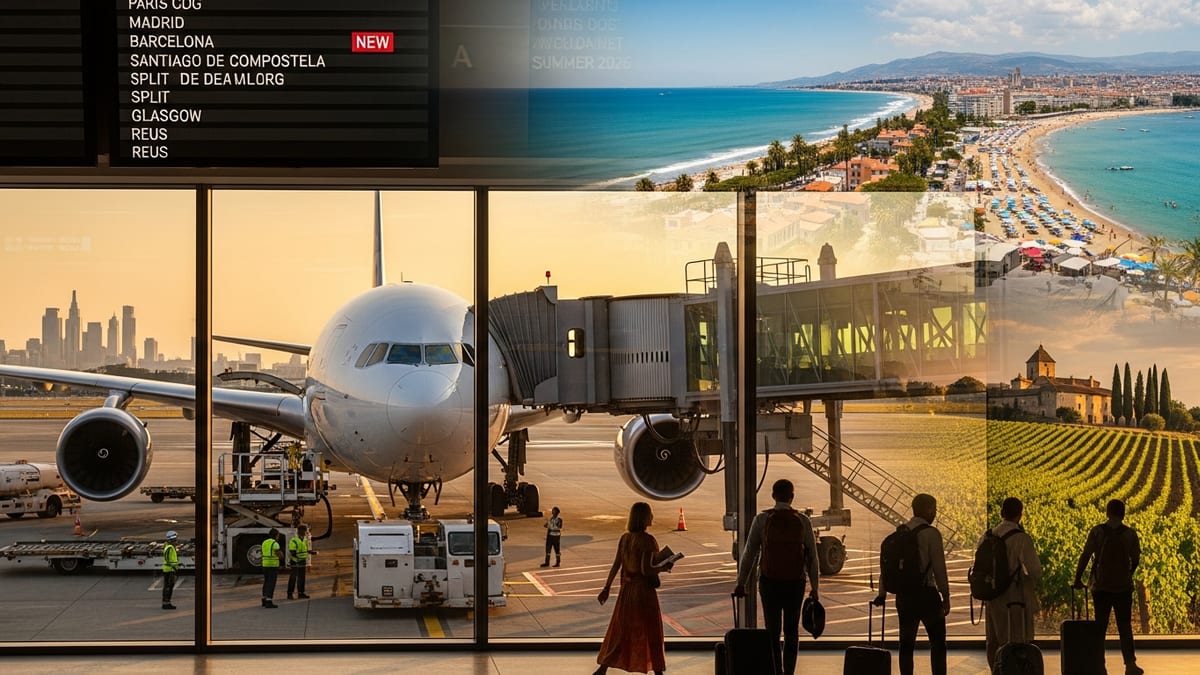
Record Summer Schedules and Strong U.S. Demand
Publicly available information from American Airlines shows that the carrier has scheduled its largest summer operation on record for 2026, coinciding with its centennial year. The airline reports it expects to carry more customers than ever across its network between late May and early September, with added frequencies on key domestic and transatlantic routes.
Industry data and first-quarter earnings commentary indicate that U.S. leisure demand remains resilient despite higher living costs. Bookings for school holiday periods and major events are described as strong across multiple reports, with airlines prioritizing sun destinations, European city breaks and high-traffic domestic corridors. For American Airlines, analysts note planned capacity growth in the mid-single digits versus last summer, signaling confidence that travelers will keep flying even as prices edge higher.
Airport and booking-platform trends also point to another busy season for U.S. skies. Travel search engines and online agencies report increased interest in early summer departures and shoulder-season city trips, while loyalty program data suggest more Americans are redeeming miles for flights this year. The combination of robust demand and constrained aircraft availability is helping support fare levels at the very moment fuel and other operating expenses rise.
How the Israel–Iran Crisis Is Feeding Jet Fuel Prices
The escalation of conflict involving Iran, the United States and Israel in early 2026 has had a pronounced effect on global energy markets. Analysts from banks, research houses and multilateral organizations describe the disruption linked to the Strait of Hormuz and associated sanctions as one of the most significant oil supply shocks in decades, pushing benchmark crude prices above 100 dollars per barrel at several points this year.
Specialist energy research notes that jet fuel prices have risen even faster than crude, as refiners respond to shifting product demand and shipping bottlenecks. Reports summarizing the economic impact of the 2026 Iran war highlight that jet fuel costs in some regions have more than doubled from levels seen before the conflict, driven by both higher crude prices and widening refining margins.
This environment is particularly challenging for airlines such as American that rely heavily on long-haul and high-frequency domestic flying. While some carriers use hedging strategies, many U.S. airlines have limited protection against rapid fuel spikes, meaning higher costs pass relatively quickly into ticket prices. Financial commentary on the sector notes that elevated fuel expenses are a key variable in profit forecasts for the remainder of 2026.
Airfares Head Higher, but Deals Still Exist
Airfare data compiled by route analytics firms and fare-tracking services suggest that average prices on many popular U.S. routes in the first quarter of 2026 were higher than a year earlier, especially on longer domestic sectors and select international markets where fuel costs make up a larger share of operating expenses. Industry observers point to the current jet fuel backdrop and limited spare capacity as central reasons for the upward pressure.
At the same time, reports from travel platforms show that price movements are uneven. Some international routes, particularly where competition has intensified or where demand has not fully recovered, are recording softer fares or targeted promotions. A recent consumer report from a major online agency notes that certain destinations in Latin America and parts of Asia continue to see fare discounts relative to 2025, even as other markets trend higher.
Another trend highlighted in recent booking analyses is the changing pattern of cheapest days to fly. Travel companies report that the traditional wisdom of midweek departures being cheapest is less reliable in 2026, with some data pointing to Fridays or Saturdays offering better value on specific routes, depending on demand patterns and business travel recovery. For travelers, this means that flexibility on dates and airports remains one of the most effective tools for keeping costs in check.
What Travelers Should Prepare for This Summer
For passengers planning to fly with American Airlines or other major U.S. carriers this summer, several themes emerge from the latest data. First, crowds are likely to be substantial. With American scheduling its biggest summer ever and broader U.S. air traffic expected to remain above pre-pandemic levels, reports from aviation consultancies anticipate busy terminals, fuller planes and tighter space for carry-on baggage.
Second, travelers should brace for generally higher base fares, particularly on long-haul and peak-day flights, as airlines pass on at least part of the increase in fuel and other costs. Budget advisories from consumer groups and booking sites recommend setting aside more for flights than in 2024 or 2025, especially for last-minute travel or family trips over school holidays, when demand is most intense.
Third, ancillary fees are likely to play a bigger role in total trip cost. As fuel and labor expenses rise, airlines continue to refine pricing for checked bags, seat assignments and onboard services. Publicly available fare breakdowns show that choosing preferred seats, extra legroom or additional baggage can add significantly to the headline ticket price, particularly on long-haul itineraries. Careful review of what is included in each fare type can help avoid surprises at checkout.
Finally, analysts advise allowing extra time and building flexibility into itineraries. With geopolitical risks still elevated and airspace restrictions changing at short notice in some regions, schedules may be more vulnerable to disruption. While there is no indication of systemic issues at American’s hubs going into the season, broader industry experience suggests that high utilization periods leave less margin for weather, air traffic control delays or equipment swaps.
Strategies to Navigate a Costly, High-Demand Season
Travel experts and consumer advocates point to several strategies that may help offset the combined impact of higher fares and fuel-driven volatility. One recurring recommendation in 2026 reports is to book earlier for peak summer dates, as advance purchase windows appear to be lengthening again for the busiest periods. For American Airlines flights, monitoring fare trends from three to four months out can provide a clearer sense of when prices start to climb.
Another tactic is to make strategic use of loyalty programs and co-branded credit cards. Publicly available program information shows that miles or points redemptions on off-peak dates can still represent good value, even in a higher-fare environment. Some travel cards also offer statement credits for airline fees or travel protections that can soften the blow of disruptions linked to congested airspace or weather.
Travelers can also consider adjusting trip patterns in response to the current fuel and fare landscape. Reports on 2026 travel behavior note rising interest in shoulder-season trips in late August or early September, when crowds thin and some fares ease, as well as a tilt toward closer destinations reachable with shorter flights that consume less fuel. Pairing these choices with flexible search tools that compare nearby airports can further improve odds of finding a more affordable itinerary.
Even in a year marked by geopolitical tension and elevated energy prices, demand for air travel in the United States remains strong, and airlines such as American are betting on a robust summer. For travelers, the trade-off is clear: more options and routes to choose from, but at generally higher prices and in more crowded skies. Careful planning, flexibility and attention to emerging pricing patterns will be essential to make the most of the 2026 peak travel season.