


More news on this day
A recent ferry fire in the Lombok Strait that left at least one passenger dead and five still unaccounted for is intensifying concerns about travel safety on one of Indonesia’s most important tourism and transport corridors between Bali and Lombok.
Get the latest news straight to your inbox!
Search Continues for Missing Passengers in Busy Strait
Published coverage from Indonesia in mid August indicates that search teams in the Lombok Strait are still working to locate five people believed to be missing after a passenger and vehicle ferry caught fire while sailing between Bali and Lombok. The vessel was operating on a key route used by domestic travelers, foreign tourists and freight, when the blaze forced an overnight rescue in rough seas.
Reports describe more than 200 people being evacuated to safety as thick smoke and flames spread from the vehicle deck, with at least one confirmed fatality and a small number of passengers taken to hospital. The incident occurred in an area of heavy maritime traffic where roll-on/roll-off ferries routinely shuttle between Padang Bai in Bali and Lembar in Lombok, a crossing that typically takes four to five hours.
Information made public by search and rescue agencies suggests that the number of people on board significantly exceeded initial passenger manifests, a familiar problem in Indonesia’s ferry sector. Families have continued to report missing relatives at command posts on shore, extending the list of possible victims and complicating efforts to establish a definitive toll.
Rescue operations in the Lombok Strait have reportedly involved multiple patrol boats, commercial vessels in the vicinity and at least one helicopter, with swells of several meters hampering search patterns. Maritime safety summaries for the region show that authorities typically maintain patrol capacity from ports in both Padang Bai and Lembar, but response times can stretch to several hours when incidents occur in mid strait.
Pattern of Ferry Fires Raises Wider Safety Questions
The Lombok Strait blaze comes on the heels of another high profile Indonesian ferry fire earlier in August, when the passenger vessel Mutiara Sentosa 2 caught fire off Madura Island while sailing from Surabaya to Makassar. Publicly available reports on that incident describe at least five deaths and dozens of passengers still missing, despite hundreds being rescued from the water and liferafts.
In addition, maritime security digests and accident calendars compiled over recent years highlight a series of serious ferry and passenger ship fires around the Indonesian archipelago, including in waters off Sulawesi, Java and eastern Indonesia. These summaries point to recurring issues such as engine room explosions, vehicle deck fires and difficulties accounting for passengers once evacuations begin.
Analysts who track regional shipping risk note that the Lombok Strait sits astride one of the main east–west shipping lanes in Indonesia and carries a mix of local ferries, cargo vessels and international traffic routed through a designated traffic separation scheme. International environmental and maritime safety assessments for the strait have already cited earlier fires on tankers and roll-on/roll-off ferries as examples of the potential human and ecological impact of onboard emergencies in these waters.
The new fire between Bali and Lombok is therefore being viewed in context, not as an isolated event but as part of a broader pattern of maritime safety challenges in Indonesia’s passenger transport system. Recent research on global ferry accidents has long ranked Indonesia among the countries with the highest casualty numbers, pointing to chronic vulnerabilities whenever large numbers of people travel by sea.
Tourism and Local Travel Disrupted by Maritime Fears
The incident is also rippling through Bali and Lombok’s tourism economy, which relies heavily on sea links to move visitors, workers and supplies. The Padang Bai to Lembar corridor and surrounding routes serve as gateways not only for overland travelers moving between the two islands, but also for tourists heading onward to the Gili Islands, Komodo and other destinations in eastern Indonesia.
Travel forums and social media posts in recent days reflect heightened anxiety among visitors about the condition of some ferries and the adequacy of onboard safety equipment. Comments from passengers who have recently sailed between Lombok and Bali describe aging vessels, visible corrosion and concerns about overloading on busy departures, adding anecdotal weight to long standing complaints from consumer advocates.
While fast boats and air links offer alternatives for some routes, many budget travelers and local residents continue to depend on conventional ferries for affordability and cargo capacity. Any sustained perception of risk on the Lombok Strait crossing could therefore affect not only international tourism numbers, but also the day to day movement of goods and workers that underpin the islands’ hospitality and construction sectors.
Local businesses are watching developments closely as authorities assess whether additional inspections, capacity controls or temporary suspensions of specific vessels are warranted while investigations proceed. Even short term schedule disruptions can reverberate through hotel bookings, tour departures and supply chains in what remains the peak dry season for travel across much of Indonesia.
Regulatory Scrutiny Intensifies on Passenger Manifests and Vessel Condition
In the aftermath of the Lombok Strait fire, Indonesian transport regulators are facing renewed scrutiny over enforcement of passenger limits, vessel maintenance standards and crew training. Published coverage of recent ferry accidents has consistently highlighted discrepancies between official manifests and the actual number of people on board, a gap that complicates both emergency evacuations and subsequent accounting of the missing.
National maritime safety committees routinely open investigations into major incidents, examining technical factors such as the origin of a fire, the performance of firefighting systems and the sequence of events that led to the loss of life. In cases where vehicle deck cargo or trucks are involved, investigators typically look at possible electrical faults, fuel leaks and cargo securing practices that can allow a small problem to escalate into a rapidly spreading blaze.
Indonesian passenger ferry operators are also subject to international pressure to align with global safety norms, particularly on routes that carry foreign tourists. The Lombok Strait has featured in international maritime environmental designations and traffic management schemes, adding another layer of interest in how authorities address fire incidents, evacuation procedures and pollution risks from burning fuel or cargo.
Observers expect regulators to focus on whether existing inspection regimes are sufficient for older ferries that still form the backbone of many routes, and whether regular drills, safety briefings and signage are effectively communicated to passengers who may not speak Bahasa Indonesia. Any findings that point to systemic shortcomings could feed into broader reforms of licensing, vessel retirement ages and penalties for overloading.
What Travelers Should Watch on Bali–Lombok Sea Routes
For travelers planning to cross between Bali and Lombok in the coming weeks, the Lombok Strait ferry fire is a reminder to pay closer attention to basic safety indicators. Travel advisories and local tourism operators often recommend checking the reputation of individual ferry companies, looking for visible safety equipment such as lifejackets and liferafts, and noting whether safety briefings are given before departure.
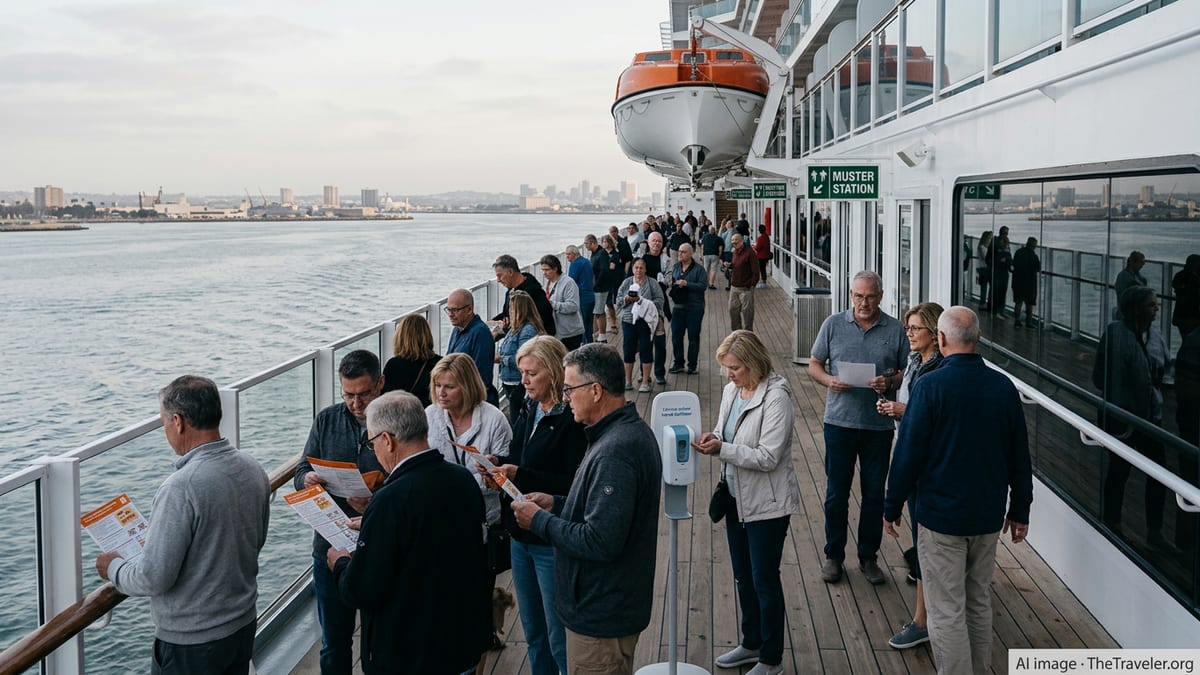
Independent maritime risk assessments for Indonesia suggest that passengers can also take practical steps such as identifying emergency exits and muster points when boarding, avoiding crowded interior spaces near vehicle decks, and keeping essential items like passports and phones in a small bag that can be quickly carried in an emergency. While responsibility for safety rests primarily with operators and regulators, informed travelers can improve their chances of responding effectively if something goes wrong.
Some regional observers expect that, at least in the short term, demand may shift toward operators perceived as better maintained or toward alternative modes of transport, including flights between Bali and Lombok. However, given the central role of ferries in Indonesia’s archipelagic transport network, long term solutions are likely to depend on how rapidly safety reforms are implemented and enforced following this latest incident.
As the search for the five missing passengers continues in the Lombok Strait, families, industry stakeholders and travelers alike are watching for clear signals that the lessons from this and other recent ferry fires will translate into tangible improvements on one of Southeast Asia’s most heavily traveled sea lanes.