


In a hotel landscape dominated by points, upgrades and status tiers, Four Seasons stands out for something surprisingly old-fashioned: genuine, high-touch hospitality. There is no branded points currency to collect, no elite tiers to chase, and yet the brand commands some of the highest repeat-guest rates in luxury travel. From Bora Bora to Manhattan, travelers book Four Seasons not to game a system, but because they know almost exactly how they will feel the moment they step into the lobby. Inside that promise is the secret to why so many guests stay fiercely loyal to the brand.
Get the latest updates straight to your inbox!
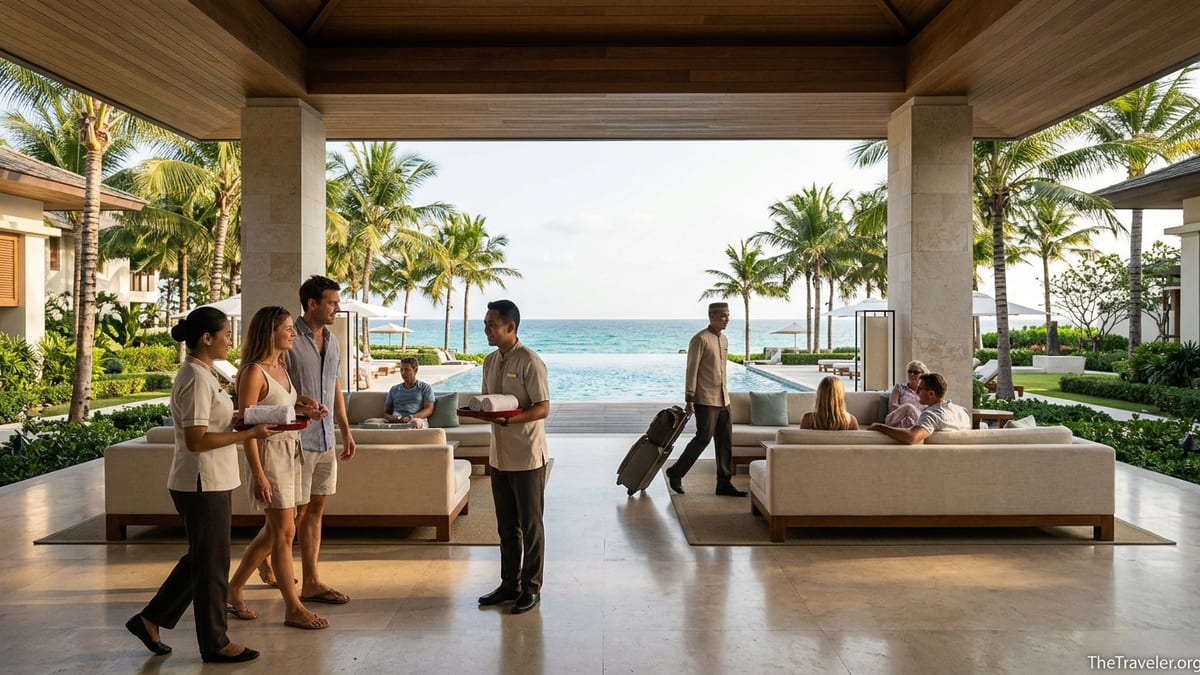
The DNA of the Four Seasons Experience
Four Seasons has spent decades refining a very specific kind of luxury: service-led, understated, and relentlessly consistent from property to property. The company, headquartered in Toronto, operates more than 120 hotels and resorts worldwide, plus private residences and branded experiences such as its private jet journeys. The look and feel change from urban skyscrapers like Four Seasons Hotel New York to thatched-roof overwater villas at Four Seasons Resort Bora Bora, but the culture of attentive, anticipatory service is shared across the portfolio.
Walk into a Four Seasons lobby and the details rarely shout for attention. You are more likely to notice the calm efficiency of the front desk than a dramatic design statement. Staff tend to use guests’ names naturally, whether you are arriving for the first time in Mexico City or returning for your tenth stay in Maui. At many properties, new arrivals are personally escorted to their room for check-in, rather than being handed a key card and sent to find the elevator alone. That tone carries through to housekeeping, pool staff, spa teams and concierges, creating a sense that the entire hotel is coordinated around the guest experience rather than departmental silos.
This culture is not accidental. Four Seasons is known within the industry for its detailed service standards, training programs and internal recognition systems. A server who remembers your complicated coffee order from day one in Florence, or a housekeeper who notices you prefer extra hangers and quietly adjusts your closet in Tokyo, are not improvising; they are working inside a service framework that encourages noticing, remembering and acting on small guest preferences. Over time, those details add up in a way that no welcome amenity or one-time upgrade can easily match.
Beyond Points: How Four Seasons Thinks About Loyalty
Unlike most major hotel groups, Four Seasons does not operate a public, points-based loyalty program. There are no tiers to climb or free nights to redeem after a certain number of stays. For travelers conditioned by brands like Marriott, Hilton or Hyatt, this can initially seem like a drawback. Yet many of Four Seasons’ most ardent fans say that the absence of a mass-market program is part of what keeps the experience focused where it matters most: on individual recognition instead of broad discounts.
Regular guests often describe a different kind of loyalty loop. Stay at Four Seasons Resort Maui a few times, for example, and the reservations team may start noting your preferred room locations, whether you favor a quieter wing or a suite closer to the pool. At newer resorts such as Four Seasons Tamarindo on Mexico’s Pacific coast, repeat visitors report that staff greet them as returning friends, recall their children’s names, and proactively adjust activities to match what they enjoyed most on previous trips. There may be no official elite card in your wallet, but the feeling of being known and appreciated is clear.
Because each Four Seasons property is owned individually, the specifics of frequent-guest recognition can vary. A guest who stays ten nights a year at Four Seasons in Hawaii might receive surprise amenities, thoughtful room placements, or priority at peak restaurant times, while another who splits time between Paris and London may notice that the hotels quietly coordinate details like pillow preferences and airport transfer habits. The common thread is that loyalty is rewarded through personalization and human touches rather than published benefit charts.
Personalization, Technology and That Famous Chat
Where many luxury brands lean on spectacle, Four Seasons doubles down on subtle, contextual personalization. Technology plays a quiet but important supporting role, particularly through the Four Seasons Chat function embedded in its app and on property websites. Guests can message the hotel in real time before, during and after their stay to arrange airport pickups, make restaurant bookings or ask for something as simple as more ice or extra towels. The service has quietly handled millions of messages globally, becoming a core part of how the brand delivers speed without sacrificing warmth.
In practice, that might look like a family heading to Four Seasons Resort Orlando messaging the hotel a week before arrival to request bed rails, a bottle warmer and park transfer times. By the time they check in, everything is pre-arranged, and follow-up questions during the stay can be handled over chat instead of long waits on hold. At urban properties such as Four Seasons Hotel Seoul or Four Seasons Hotel New York, solo business travelers commonly use chat to coordinate late checkouts, send luggage down ahead of departure, or ask the concierge for a last-minute restaurant reservation while they are still in a meeting.
The personalization goes deeper when you look at how properties collect and act on guest preferences. If you consistently order a particular green juice at breakfast in Hong Kong, do not be surprised to find it suggested to you in Bali on a future trip. Families who return each summer to the same resort in Hawaii often discover that kids’ club counselors remember their children, adapt activities to their age, and sometimes even welcome them back with handwritten notes. The feeling is less of interacting with a faceless corporation and more of returning to a network of well-run, well-staffed individual hotels that share a common hospitality language.
Signature Experiences: From Bora Bora to Manhattan
Four Seasons loyalty is often forged in specific, memorable stays at flagship properties. Consider Four Seasons Resort Bora Bora, the Tahitian icon that has become shorthand for dream honeymoons. Guests waking up in an overwater bungalow can step straight from their deck into the lagoon, with room service delivered by boat and views of Mount Otemanu in the distance. Typical nightly rates for an entry-level overwater bungalow often sit in the low four figures in U.S. dollars depending on season, but many couples deem it worth the splurge because the experience feels almost impossible to replicate elsewhere at the same level of polish and service.
In a very different setting, the recently reopened Four Seasons Hotel New York offers a contrasting example of how the brand reinvents urban luxury. Following its fall 2024 reopening, the hotel introduced a "My NYC Moment" program featuring curated experiences such as private after-hours museum visits, behind-the-scenes introductions to high-end boutiques, or bespoke wellness itineraries in collaboration with Manhattan studios. Guests booking these experiences pay premium rates, but what they receive is not just a room with skyline views; it is the feeling of being handed the keys to the city by a concierge team that knows every doorman, maitre d’ and gallery owner by name.
Across the portfolio, there are similar anchor experiences that keep guests coming back. At Four Seasons Resort Maui, the pool scene and beachfront cabanas have become legendary, with attendants remembering guests’ preferred sun loungers and drink orders. In Florence, the riverside gardens at Four Seasons Hotel Firenze host intimate concerts and al fresco dinners that feel like private events in a noble family estate. In Tokyo, Four Seasons Hotel Otemachi blends floor-to-ceiling skyline views with meticulous, hushed service that appeals to executives and design-focused travelers alike. Each of these properties does something specific and memorable that, once experienced, becomes hard to replace with another brand.
Preferred Partner: The Quiet Power Tool for Devoted Guests
While Four Seasons does not offer points, it does quietly support one of the most powerful preferred-partner programs in luxury travel. The Four Seasons Preferred Partner network is an invitation-only group of top-tier travel advisors who can book almost any Four Seasons property at the hotel’s best available public rate, often the same one a guest sees online, but with an added layer of complimentary benefits. These typically include daily breakfast for two, a property credit that might be around 100 U.S. dollars per stay, priority for room upgrades, and flexible check-in or check-out when available.
For loyal guests, this can significantly enhance value without eroding the luxury feel. A couple booking Four Seasons Resort Maui for five nights through a Preferred Partner, for example, might enjoy a sizable daily breakfast at the hotel’s restaurant or via in-room dining, included in the rate. Over the course of a stay, that can offset a meaningful portion of their food and beverage spend. Add in a resort credit used at the spa or for poolside lunches, and the perceived return for the nightly rate climbs, all while the guest experience stays consistent with those paying the same base rate without the extra perks.
Because Preferred Partner benefits usually stack with Four Seasons’ own published offers, travelers can often combine a third-night-free promotion or a family package with these enhancements. For instance, a family heading to Four Seasons Resort Orlando or Four Seasons Resort Hualalai might book a fourth-night-free offer during shoulder season and still receive daily breakfast and a credit through their advisor. The key is that the hotel remains in control of the rate structure, while the guest feels like a recognized insider rather than a bargain hunter.
For frequent Four Seasons guests, working with a single experienced Preferred Partner advisor can also create continuity. Advisors who regularly book the same family or couple learn their preferences and flag them to properties ahead of arrival, from mattress toppers and feather-free bedding to favorite villa numbers or specific spa therapists. That three-way relationship between guest, advisor and hotel helps explain why many travelers who discover the Preferred Partner program rarely book their Four Seasons stays any other way.
Service Culture and the Emotional Side of Loyalty
At the heart of the Four Seasons experience is something harder to quantify than rates or room sizes: emotional connection. Luxury travelers who return again and again often describe small, personal moments that linger long after the memory of the room layout fades. A honeymoon couple at Four Seasons Resort Bora Bora might return five years later with their first child and find a framed photo from that earlier trip waiting in their villa. A guest recovering from a redeye flight in London might be quietly offered a temporary room to shower and rest well before official check-in time, without any fuss or discussion of policy.
These gestures are not guaranteed, and they are certainly not advertised in glossy brochures, which is precisely why they feel so meaningful when they happen. Staff are encouraged to exercise judgment, to notice when a guest is celebrating something special or dealing with a travel disruption, and to respond in human rather than scripted ways. Over time, repeat guests come to trust that if something goes wrong during a stay, the hotel will take ownership and make it right, whether that means moving them to a new room, comping a meal, or offering a late checkout when their flight is delayed.
The brand’s internal culture supports this approach. Four Seasons properties consistently appear at the top of Forbes Travel Guide rankings and similar evaluations, reflecting consistent training and a strong feedback loop between guests, staff and management. For travelers who prioritize feeling looked after above all else, that track record becomes its own form of loyalty currency. They may not earn a free night after ten stays, but they do earn a sense of confidence that the next Four Seasons will live up to the last.
Value, Pricing and When Four Seasons Makes Sense
Four Seasons sits firmly in the luxury tier, and nightly rates reflect that positioning. Entry-level rooms at flagship city hotels in North America or Europe can often start in the high hundreds of U.S. dollars and rise quickly based on season and demand. Iconic resorts such as Bora Bora or Maui regularly see pricing in the four-figure range per night for suites and villas. For many travelers, this is an occasional splurge rather than a default choice for every trip.
Understanding why loyal guests choose Four Seasons despite these rates requires looking at perceived value rather than just price. Families, for example, often point to policies that quietly add value, such as allowing younger children to stay in the same room without extra charges where space permits, or offering kid-friendly amenities like welcome gifts, child-size robes and complimentary kids’ club activities at resort properties. Couples may feel that the combination of high service, privacy and location justifies picking Four Seasons over a slightly cheaper competitor for milestone trips such as honeymoons, anniversaries or important business events.
It is also worth noting that not every Four Seasons stay involves headline-grabbing rates. Travelers willing to visit during shoulder seasons, midweek, or in emerging destinations can sometimes find more accessible pricing, especially when combined with third- or fourth-night-free promotions. In cities with strong corporate demand, weekend rates outside major events may be softer than expected. This is where working with a trusted travel advisor, particularly one in the Preferred Partner network, can help guests match their expectations and budget to the right property and timing.
The Takeaway
The enduring appeal of Four Seasons lies less in tangible perks and more in how consistently the brand makes guests feel. By prioritizing personalized service over points, and by training teams to notice the person behind each reservation, Four Seasons has cultivated a form of loyalty that cannot be easily replicated by a new credit-card bonus or a double-points promotion. Guests return because they trust that the next stay, in a new city or on a new continent, will deliver that same mix of warmth, competence and quiet luxury.
For travelers deciding whether Four Seasons is worth the premium, the calculus often comes down to the importance of reliability and emotional comfort. If a trip is once-in-a-decade special, or if your time and peace of mind matter more than maximizing rebates, then the Four Seasons experience can offer compelling value even without a formal loyalty program. And for those who do fall for the brand’s combination of service culture, property design and curated experiences, loyalty tends to follow naturally. They become the guests who book their next stay on departure, who get to know their travel advisor by first name, and who, year after year, keep choosing Four Seasons even in a world full of alternatives.
FAQ
Q1. Does Four Seasons have a traditional points-based loyalty program?
Four Seasons does not operate a public, points-based loyalty program with tiers and redemptions. Instead, it focuses on personalized recognition, consistent service standards and behind-the-scenes tracking of guest preferences to reward repeat visitors in more individualized ways.
Q2. How can I get extra benefits when booking a Four Seasons stay?
The most effective way is often to book through a travel advisor affiliated with the Four Seasons Preferred Partner program. These advisors can usually access the same publicly available rates as on the hotel website but add benefits such as daily breakfast for two, a property credit, priority for room upgrades, and flexible check-in or check-out when available.
Q3. Are Four Seasons Preferred Partner benefits available at every property?
Most Four Seasons hotels and resorts participate in the Preferred Partner program, but specific benefits and minimum-stay requirements can vary by property and date. A good advisor will confirm in writing which amenities apply to your particular stay before you commit so you know exactly what to expect.
Q4. Are Four Seasons hotels always more expensive than other luxury brands?
Four Seasons generally prices in the top tier of its markets, especially at flagship resorts and city properties. However, rates can be more competitive during shoulder seasons, midweek, or in less saturated destinations, and promotions such as third- or fourth-night-free offers can soften the overall cost when combined with Preferred Partner benefits.
Q5. What makes the Four Seasons experience different from other luxury chains?
While many luxury brands offer beautiful rooms and strong locations, Four Seasons leans heavily on service culture and personalization. From proactive use of its chat service to staff who remember guest preferences across repeat stays, the emphasis is on making guests feel recognized and cared for rather than simply impressed by design or amenities.
Q6. Is Four Seasons a good choice for families with children?
Yes. Many Four Seasons resorts are highly family-friendly, with kids’ clubs, child-focused activities, family pools, and practical touches like kid-size robes and welcome amenities. Policies around children sharing rooms can also add value, and staff are generally adept at balancing a refined atmosphere with a relaxed, welcoming approach to younger guests.
Q7. How does Four Seasons handle special occasions like honeymoons or anniversaries?
Four Seasons properties routinely personalize stays for celebrations, from arranging in-room flowers and private dinners to setting up surprise amenities such as champagne, desserts or framed photos. Communicating your plans clearly in advance, either directly or through a Preferred Partner advisor, increases the chances of thoughtful touches that feel tailored rather than generic.
Q8. Will being a frequent Four Seasons guest guarantee upgrades and special treatment?
Nothing is guaranteed, as upgrades and special considerations depend on occupancy, ownership policies and individual property practices. However, frequent guests often find that their history with the brand leads to more consistent room placements, proactive problem-solving and extra touches, particularly when their stays are booked and communicated through a single advisor who knows them well.
Q9. Is the Four Seasons experience worth it if I do not care about service as much?
If you primarily prioritize room size, design or location and do not value high-touch service, you may find comparable physical products at lower prices with other brands. The Four Seasons premium tends to feel most justified for travelers who care deeply about reliability, discretion and the comfort that comes from knowing staff will handle details gracefully.
Q10. What is the best way to decide if a Four Seasons property is right for my next trip?
Start by being clear about the purpose of your trip, your budget and what matters most to you, whether it is a spectacular resort setting, a central city location, or standout dining and spa experiences. Then compare specific Four Seasons properties with a few alternatives in the same destination, ideally with input from a knowledgeable travel advisor who can outline the real-world experience and any added benefits you might receive.