


More news on this day
A Delta Air Lines transatlantic service from Atlanta to Paris diverted to Dublin this week after a suspected medical emergency on board, prompting an unscheduled stop in Ireland and delays for passengers bound for the French capital.
Get the latest news straight to your inbox!
Unscheduled Stop on Atlanta to Paris Route
The flight, operating between Hartsfield Jackson Atlanta International Airport and Paris Charles de Gaulle, was en route over the North Atlantic when the crew initiated a diversion to Dublin. Publicly available flight-tracking data indicates the aircraft changed course toward Ireland after a reported medical situation involving a person on board.
The jet landed at Dublin Airport where emergency medical services were standing by to meet the aircraft. Passengers were kept on board while medical personnel attended to the individual and the airline coordinated next steps for the continuation of the journey.
According to published coverage and tracking information, the aircraft remained on the ground in Dublin for refueling and operational checks before departing again for Paris. The diversion extended travel times for customers but allowed the affected traveler to receive timely care at a nearby medical facility.
Initial information suggests the diversion was precautionary, consistent with standard long haul aviation practice when a traveler requires urgent medical attention and the aircraft is closer to an alternate airport than to its original destination.
What Is Known About the Onboard Medical Situation
Details about the nature of the suspected medical emergency have not been formally disclosed. Reports indicate a passenger experienced an acute health issue significant enough for the crew to request priority handling and route the aircraft to the nearest suitable airport.
Information shared across aviation tracking services and traveler accounts points to a swift response in the cabin before the diversion decision. In similar cases, crew members typically coordinate with medical professionals on board if any are present, and with ground based medical support, while assessing whether to continue or divert.
There is no indication at this stage that the incident posed any safety risk to the aircraft itself. Standard procedures focus on the well being of the affected person, while other passengers are asked to remain seated and follow crew instructions as preparations are made for an expedited landing.
As is common after such events, further personal details about the traveler involved and their condition have not been made public out of privacy considerations.
Dublin’s Role as a Diversion Airport
Dublin Airport regularly serves as an alternate landing site for transatlantic services crossing between North America and Europe. Its geographic position along common flight paths and its capacity to handle widebody aircraft make it a frequent choice when diversions are required for medical issues, technical concerns or weather related reasons.
Operational data and previous aviation reports show that long haul flights from the United States to destinations such as Paris, London and Amsterdam have periodically diverted to Dublin when passengers required urgent treatment. The airport maintains facilities and emergency response teams capable of managing international arrivals at short notice.
Once an aircraft lands under such circumstances, ground teams typically coordinate the transfer of the affected traveler to local medical services, while airline staff work on refueling, crew duty time calculations and route planning so that the flight can continue when cleared. The length of the delay depends on the complexity of the situation and regulatory limits for the operating crew.
Travelers on board may remain on the aircraft throughout the stop or be asked to stay in a controlled area within the terminal, depending on immigration and security requirements for that specific flight and routing.
Impact on Passengers and Operations
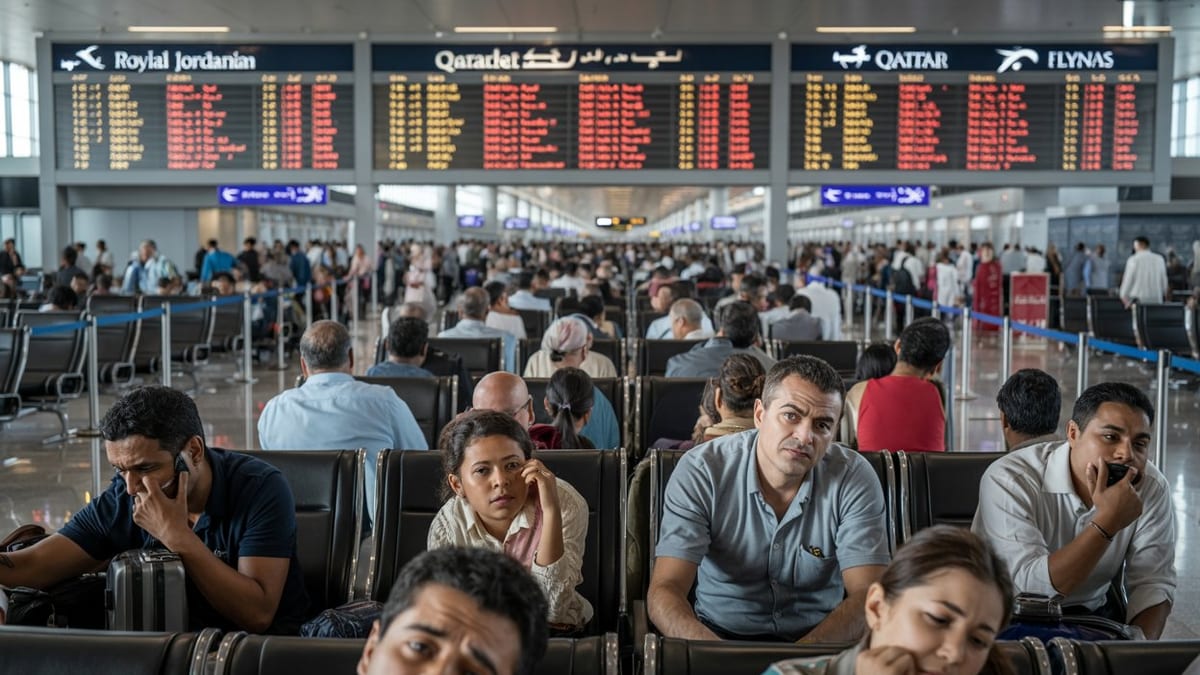
The diversion added an additional segment to what is already a lengthy overnight journey between Atlanta and Paris. Passengers experienced a later arrival into France, with some travelers likely needing to rebook connecting flights or adjust onward ground transportation from Paris.
Publicly available airline information indicates that Delta Air Lines generally handles such events under its irregular operations procedures, which can include rebooking assistance and, in some cases, meal or accommodation support when onward travel is significantly disrupted. Because the initial cause was a suspected medical emergency rather than a controllable operational issue, any compensation or vouchers typically follow the carrier’s specific policies for extraordinary circumstances.
From an operational perspective, an unplanned stop can require fresh calculations for fuel, crew duty time and maintenance checks. Depending on how long the aircraft remains on the ground and the crew’s remaining legal duty hours, the airline may be able to complete the rotation with the same team or arrange for alternative staffing at a later point in the schedule.
Despite the inconvenience, diversion decisions of this kind are generally viewed as prioritizing passenger welfare. Aviation incident histories show numerous examples in which such choices have allowed travelers in medical distress to receive faster treatment than would be possible if the flight continued to its original destination.
Medical Diversions Increasingly Visible to the Public
While medical diversions are not new to long haul travel, they have become more visible to the public in recent years due to real time flight tracking platforms and social media posts from passengers. Incidents that once might have passed with little notice beyond those on board now often appear quickly in online discussions and aviation focused forums.
Published coverage of similar events across the transatlantic corridor highlights a range of outcomes, from minor issues resolved after a short stop to more serious conditions requiring extended ground time and extensive schedule changes. The underlying pattern shows that medical reasons remain among the most common causes of unscheduled landings on otherwise routine flights.
Industry guidance indicates that airlines and flight crews receive regular training on handling in flight medical scenarios, including the use of onboard equipment and procedures for consulting medical professionals on the ground. Diversions such as the Atlanta to Paris flight’s stop in Dublin reflect how these protocols are applied in real world conditions when travelers fall ill far from their destination.
For passengers, such situations often mean longer journeys and uncertainty, but they also underline the central priority placed on health and safety when airlines decide to interrupt a long haul flight and head for the nearest suitable airport.