

Planning a trip to Arizona means thinking beyond flights and hotel bookings. The Grand Canyon State is vast, with dense urban corridors, mid-sized towns, tribal lands, and huge stretches of uninhabited desert. Internet access can swing from ultra-fast 5G in downtown Phoenix to almost no signal on a scenic back road an hour later. Understanding how mobile coverage and data options work across Arizona will help you stay connected for navigation, safety, and sharing your travels without overspending on roaming or buying the wrong plan.
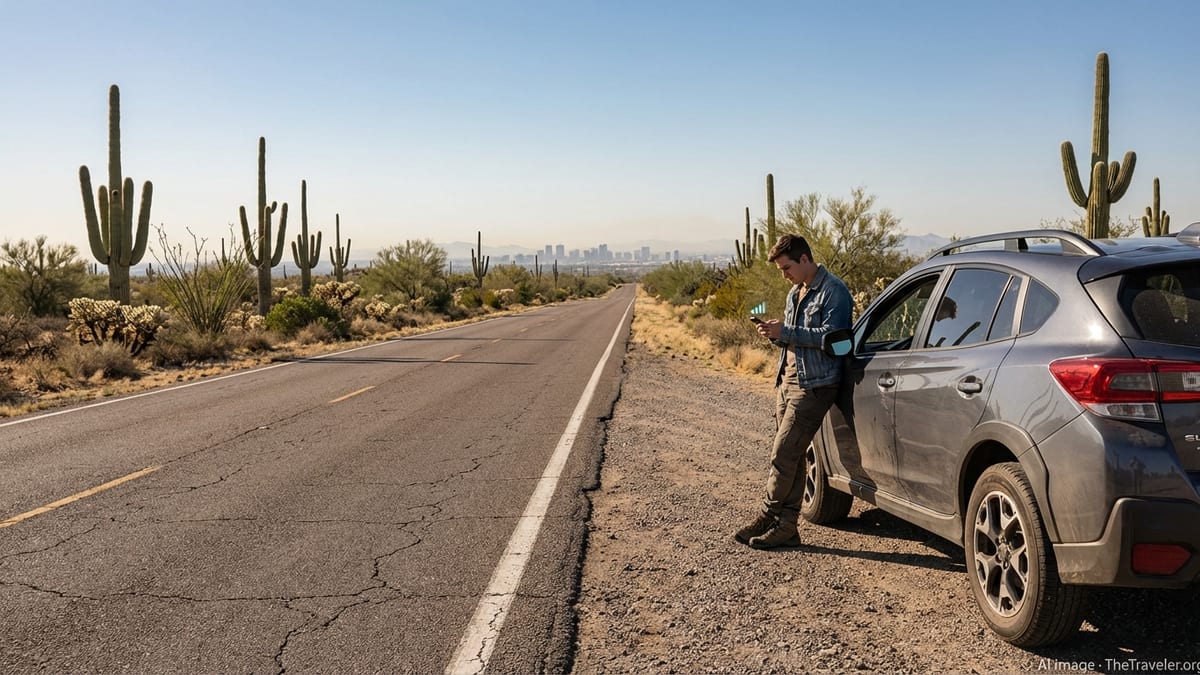
Arizona’s Mobile Coverage Landscape at a Glance
Arizona is one of the largest and most topographically diverse states in the United States, and that diversity shapes how and where you can get online. In and around the Phoenix metro area, Tucson, and major interstate corridors, travelers usually find strong 4G LTE and growing 5G service from the three national carriers: Verizon, AT&T, and T-Mobile. Coverage is more limited in sparsely populated regions such as parts of northern Arizona, stretches of Navajo and Hopi lands, and remote desert areas near the Mexican border.
Recent mobile coverage data, including information based on the Federal Communications Commission’s national broadband mapping program and crowdsourced monitoring tools, shows that Arizona’s urban areas enjoy extensive 4G and expanding 5G connectivity. Verizon and AT&T tend to offer the broadest overall geographic reach, while T-Mobile has been particularly aggressive in rolling out mid-band 5G in and around cities. Outside these hubs, signal reliability is driven by distance from towers, terrain, and even canyon walls that can block line of sight.
Travelers should think of Arizona’s connectivity in layers. In city centers and suburbs, expect experiences similar to other major U.S. metros, with fast 5G and robust 4G for tethering and streaming. In smaller towns and along major highways, you will typically retain 4G LTE and possibly pockets of 5G. Once you go deep into national parks, national forests, and backcountry roads, coverage drops quickly and can disappear entirely for long stretches.
Because of this patchwork, the best approach is to choose a primary network with strong Arizona coverage and then decide whether you need a backup option, such as an eSIM, prepaid hotspot, or offline maps. For most visitors, a well-chosen domestic or roaming mobile plan is sufficient, but travelers heading into remote areas should prepare for periods without service.
How the Major Carriers Perform Across the State
For coverage in Arizona, Verizon, AT&T, and T-Mobile all have meaningful footprints, but they excel in different ways. Independent coverage analyses and state-level comparisons commonly place Verizon near the top for overall reach in Arizona, with a particularly strong presence in rural areas and along interstate highways. AT&T is also competitive on statewide 4G coverage, often performing strongly in populated corridors and around regional centers such as Flagstaff and Yuma.
T-Mobile, by contrast, tends to have a smaller share of Arizona’s 4G footprint than Verizon or AT&T, yet has rapidly expanded 5G. Some recent nationwide assessments show that T-Mobile covers a significant portion of Arizona with 5G, especially in the Phoenix and Tucson metro areas and other mid-sized communities. That makes T-Mobile an attractive choice if you prioritize high-speed data in cities and are less concerned about absolute coverage in remote regions.
In practical terms, this means Verizon and AT&T often provide more consistent signal as you leave metro areas for smaller towns, long highway drives, or lesser-traveled routes to state and national parks. T-Mobile can deliver excellent speeds where it has built out 5G, but you may experience more dead zones in remote locations compared with the two larger legacy networks. Actual performance can also differ from coverage maps because of building materials, local tower congestion, and weather conditions.
Smaller carriers, including brands that resell access on the major networks, rely heavily on the same underlying infrastructure. Many budget providers in the United States use Verizon, AT&T, or T-Mobile networks on a wholesale basis. This means that in Arizona a mobile virtual network operator can work well if it partners with a strong underlying carrier for the areas you plan to visit. However, premium subscribers on the main networks sometimes receive higher priority during congestion, which can matter in busy tourist seasons or major events.
5G, 4G LTE, and What Travelers Actually Experience
For inbound visitors, the labels on a coverage map matter less than the on-the-ground experience. In central Phoenix, Scottsdale, Tempe, and downtown Tucson, most modern phones will see a mix of 5G and 4G LTE from all three major providers. Here, you can usually stream high-definition video, upload large batches of photos, and tether a laptop without noticeable slowdown, assuming your plan allows it.
Stepping into suburban neighborhoods around Phoenix’s East and West Valleys, and communities like Mesa, Chandler, and Glendale, service remains strong. 4G LTE is almost universal and 5G is present in many districts, though speeds can vary by block. Similar patterns exist along the main north-south corridor connecting Phoenix and Tucson, where a combination of interstate coverage and population density keeps networks robust.
Conditions change as you travel north toward Prescott, Sedona, Flagstaff, and the Grand Canyon. These routes still benefit from decent coverage along interstates and main state highways, but 5G becomes patchier and some carriers may drop to 4G or even 3G fallback in isolated spots, depending on your device and plan. In the Grand Canyon National Park area itself and in vast forested or canyon regions, signals can be intermittent or absent, regardless of carrier.
Along more remote desert roads, including parts of western Arizona near the Colorado River and eastern stretches toward New Mexico, it is common to see long periods of little or no service. Here, the differences between 5G and 4G matter less because you may lose all connectivity. Travelers relying on mobile service for navigation or safety should be prepared by downloading maps ahead of time and letting someone know their itinerary before setting out.
Choosing the Right Plan: Postpaid, Prepaid, and eSIMs
For U.S. residents, the simplest option for Arizona is usually a postpaid plan with Verizon, AT&T, or T-Mobile that already includes nationwide coverage and domestic roaming. If you are on such a plan, you can often travel freely within Arizona without changing anything, aside from checking whether your data is deprioritized after a certain threshold or if hotspot usage is capped.
Prepaid plans can be attractive for budget-conscious travelers or visitors staying for an extended time. Many carrier-owned prepaid brands and independent low-cost operators offer plans that include talk, text, and generous high-speed data buckets that work across Arizona. Because these providers piggyback on major networks, the crucial step is verifying which underlying carrier they use and how that aligns with the areas you plan to visit, especially if your trip includes rural or tribal lands.
International visitors increasingly prefer eSIM solutions. Several global eSIM marketplaces and specialized providers sell state or region-focused data eSIMs for the United States and for specific areas like Arizona. These plans typically provide data only, without a local phone number, but allow you to keep your home SIM active for calls and messages while using local data at more predictable rates. Many such eSIMs advertise simple QR-code activation, flexible validity periods from a few days to a month, and the ability to tether other devices where permitted.
If your phone supports multiple eSIMs, you can carry both a primary plan from a major U.S. carrier and a secondary data eSIM. This can be useful if you want added redundancy: for example, keeping a T-Mobile-based eSIM for urban 5G speeds while relying on a Verizon-based physical SIM for better reach on rural drives. The trade-off is cost, so most travelers will balance the benefits of redundancy against how frequently they will be outside city areas.
Data Usage, Hotspots, and Working Remotely in Arizona
Many travelers to Arizona plan to work remotely at least some of the time, whether that means answering email from a Phoenix hotel, uploading photos from Sedona, or joining video calls from a rental cabin near Flagstaff. For these use cases, a solid understanding of data usage and hotspot behavior is essential. Modern mobile plans often include large pools of so-called premium data, after which speeds may be deprioritized or throttled during congestion.
If you rely on hotspot tethering for a laptop or tablet, pay particular attention to the hotspot allowance in your plan. Even premium plans may cap high-speed hotspot data before slowing tethered devices. In practice, this can still support remote work in cities and many small towns, but you may need to be more strategic about scheduling large uploads or high-definition video calls, especially if you are sharing a connection with family members or colleagues.
In urban Arizona, co-working spaces, hotels, vacation rentals, and cafes typically offer Wi-Fi, which reduces pressure on mobile data. However, Wi-Fi quality varies widely, and during major events in Phoenix or seasonal peaks in resort towns, local networks can struggle with heavy demand. Keeping a robust mobile plan as a backup is often the safest approach if you must remain online.
For travelers who plan extensive backcountry time with limited or no Wi-Fi, mobile hotspots and dedicated data devices can be useful but are only as effective as the underlying network. A standalone hotspot running on a carrier with strong rural reach may perform slightly better than a phone in some cases, but it will still lose service in the same dead zones. Remote workers planning extended stays in rural Arizona sometimes combine satellite internet at a base location with mobile data for days in town, though this is generally beyond what short-term visitors require.
Staying Connected in Remote Parks, Canyons, and Tribal Lands
Arizona’s most spectacular landscapes are often the least connected. Iconic destinations such as parts of the Grand Canyon, the Vermilion Cliffs region, remote sections of the Sonoran Desert, and certain tribal lands can have little or no mobile signal, even from the largest carriers. While some viewpoints, visitor centers, and gateway towns offer reliable coverage, trails and backcountry roads can quickly lead you out of range.
In national parks and monuments, park service staff frequently warn visitors not to rely on mobile phones for rescue or real-time navigation. Coverage maps may show broad service areas, but steep terrain and dense rock formations can block signals. Even where a faint connection exists, it might be insufficient for data-heavy tasks such as loading online maps or messaging apps that need a stable connection.
On tribal lands, connectivity varies based on local infrastructure investments and agreements with national carriers. Some communities have strong 4G LTE service in town centers and along major roads but limited reach in surrounding areas. Travelers should be mindful that network build-out timelines and priorities are evolving, and it is wise to confirm current conditions with recent travelers, local tourism offices, or lodging providers if reliable connectivity is essential for your itinerary.
For serious backcountry adventures, including multi-day hikes, off-road exploration, or river trips, many experienced visitors supplement or replace mobile service with satellite communicators or personal locator beacons. These devices use satellite networks to send texts or emergency signals and are far more reliable than cellular networks once you are beyond tower coverage. They require planning and sometimes subscriptions, but they significantly enhance safety in regions where a mobile data icon cannot be taken for granted.
Practical Tips to Maximize Connectivity on the Road
Regardless of which carrier or plan you choose, a few practical steps can improve your chances of staying online across Arizona. Before your trip, download offline maps for the entire state or at least the specific regions you plan to visit. Major mapping apps allow you to store route and point-of-interest data locally, ensuring you can navigate even when your phone shows no signal.
When driving, expect better coverage near towns, interstates, and main state highways. If you need to send important messages, upload large files, or update navigation apps, it is sensible to do so in or near populated areas rather than assuming you will have service later in the journey. Keeping your devices charged is equally important; in rural Arizona, leaving a vehicle with a low battery and no service can quickly turn a minor inconvenience into a safety issue.
Signal quality inside vehicles and buildings can be weaker than outside, especially in structures built with dense concrete or metal. Stepping outdoors or moving closer to a window often improves reception enough to load critical information. Some travelers who spend extended time in RVs or remote cabins use signal boosters designed for specific carriers, which can help in fringe coverage areas, though they cannot create service where none exists.
Finally, monitor your data usage if your plan is not unlimited or if you face throttling after a particular threshold. Many visitors are surprised by how quickly high-resolution video streaming, real-time navigation, and frequent social media uploads consume data. Changing streaming quality settings, using Wi-Fi where available, and batching uploads for times when you have stronger connections can help stretch your allowance.
The Takeaway
Arizona offers a rich mix of modern cities, historic towns, Indigenous cultures, and vast natural spaces, and its internet landscape mirrors that variety. In and around Phoenix, Tucson, and other urban hubs, travelers can expect fast 4G and 5G service that supports everything from remote work to heavy social media sharing. Along main highways and in many regional centers, coverage remains solid, though speeds and network types may fluctuate.
The real test for mobile connectivity comes in remote deserts, canyons, forests, and tribal lands, where service becomes intermittent or disappears altogether. No single carrier provides truly seamless coverage across all of Arizona, so the best choice depends on your route, your need to be online, and whether you value broad rural reach or cutting-edge 5G speeds in cities. For most visitors, a mainstream plan from a major carrier, perhaps augmented with an eSIM or prepaid option, provides a good balance between cost and connectivity.
By planning ahead, understanding where coverage is strong or weak, and preparing for offline periods, you can enjoy Arizona’s landscapes and communities without worrying constantly about your signal bars. Whether you are navigating city streets, photographing red rock vistas, or driving across empty desert at sunset, the right mobile strategy lets you stay connected when it matters and disconnect when you choose.
FAQ
Q1: Which mobile carrier generally has the best overall coverage in Arizona?
Verizon and AT&T are often cited for broad statewide coverage, particularly along highways and in smaller towns, while T-Mobile performs strongly in many urban areas.
Q2: Is 5G widely available across Arizona?
5G service is concentrated in metro areas like Phoenix and Tucson and some mid-sized cities; large rural and wilderness regions still rely mainly on 4G LTE or have no service.
Q3: Will an international roaming plan work reliably throughout Arizona?
Most international roaming plans work well in cities and along major routes but may lose service in remote parks, deserts, and canyon regions where coverage is sparse.
Q4: Do I need an eSIM to get data in Arizona?
No. Many travelers use a physical SIM from a U.S. carrier, but eSIMs are a convenient option for international visitors who want flexible, data-focused plans without visiting a store.
Q5: Can I count on mobile data inside national parks like the Grand Canyon?
You may find coverage near some visitor centers and overlooks, but large sections of trails and backcountry areas have little or no signal, regardless of carrier.
Q6: Is public Wi-Fi easy to find in Arizona’s cities and towns?
Hotels, cafes, co-working spaces, and many public venues in cities and larger towns typically offer Wi-Fi, although speeds and reliability can vary from place to place.
Q7: Are prepaid mobile plans a good choice for short trips to Arizona?
Yes. Prepaid plans can be cost-effective for short stays, especially if they use a major underlying network with strong coverage in the specific regions you plan to visit.
Q8: How much data should I budget for a weeklong trip?
Usage varies, but travelers who rely on maps, messaging, and light browsing might use a few gigabytes, while frequent streaming and large uploads can require significantly more.
Q9: Will my phone work on all three major U.S. networks in Arizona?
Most recent smartphones support the main U.S. bands, but compatibility can differ, especially for devices bought overseas, so checking your model against carrier requirements is wise.
Q10: What should I do if I need reliable connectivity while working remotely in Arizona?
Choose a robust plan from a carrier with strong coverage where you will stay, test both Wi-Fi and mobile data on arrival, and consider a backup option such as a secondary SIM or eSIM.