


Choosing between Intrepid Travel and G Adventures can feel like splitting hairs. Both are big names in small-group adventure travel, both run trips across the globe with local guides, and both talk a lot about responsible tourism. Yet once you start looking at real itineraries in places like Peru, Vietnam, or Morocco, the differences in style, group vibe, and price become much clearer. This guide breaks down those differences with concrete examples so you can decide which company actually matches the way you like to travel.
Get the latest updates straight to your inbox!
Big Picture: How Intrepid and G Adventures Position Themselves
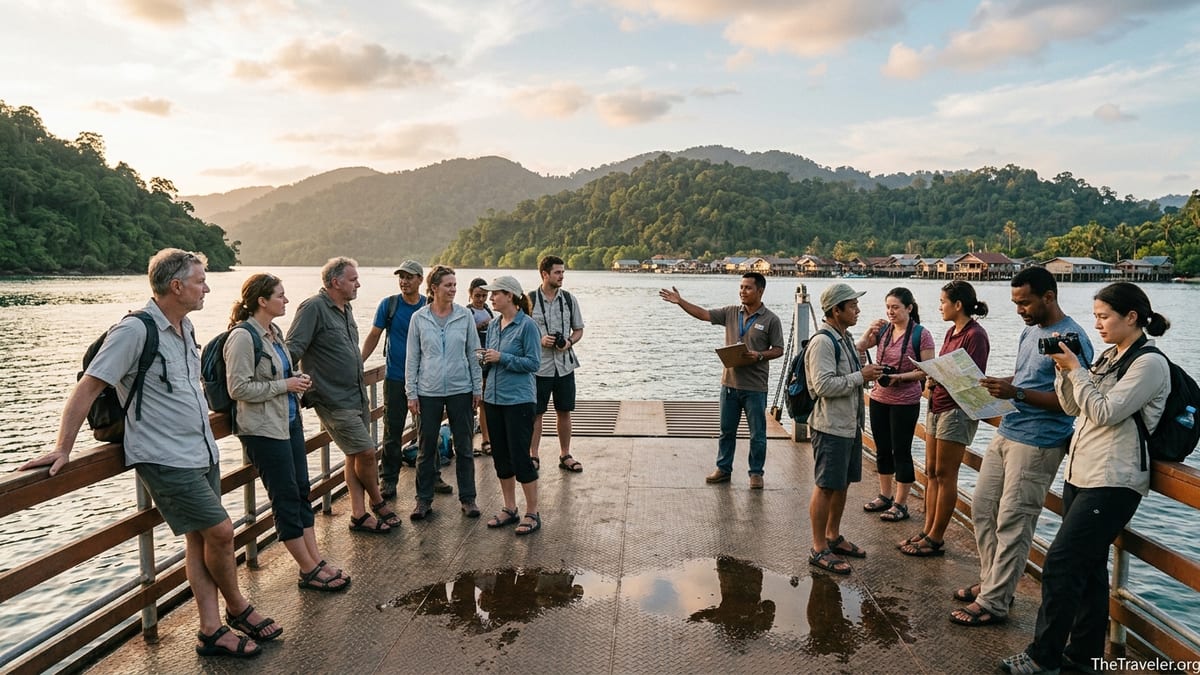
Intrepid Travel and G Adventures both specialize in small-group tours built around cultural immersion rather than big buses and chain hotels. Each typically caps most trips at around 12 to 16 travelers, which is small enough to eat in local restaurants, use public transport on some days, and stay in family-run guesthouses. Intrepid often highlights an average group size of about 10 to 12, while many G Adventures styles sit in the same ballpark, with some youth and hostel-based programs allowing slightly larger groups.
Intrepid leans heavily into an “adventure with a conscience” identity, often highlighting that it is a certified B Corp and marketing itself strongly to travelers who care about sustainability and community-based tourism. If you scan its trip pages, you will see frequent mentions of home-hosted dinners, visits to social enterprises, and stays in locally owned accommodations rather than big chains.
G Adventures also emphasizes responsible travel and runs its own non-profit foundation that supports community projects, but it positions itself more broadly as an accessible adventure brand with many distinct “travel styles.” On its site you will find categories such as Classic, 18-to-Thirtysomethings, Active, Marine, and premium partnerships with National Geographic. This modular approach lets you choose a style that matches your age, budget, and comfort level without leaving the brand ecosystem.
In practice, a foodie in her 40s looking for comfortable hotels in Italy might end up comparing an Intrepid “Original” or “Comfort” Italy itinerary with a G Adventures Classic or National Geographic Journeys trip that covers Rome, Florence, and Venice but offers upgraded hotels and more included meals. The routes might look similar on a map, but the daily structure, level of independence, and group demographics can feel very different.
Group Vibe and Typical Travelers
One of the biggest differences you will feel on the road is the group vibe. Intrepid’s core audience tends to skew slightly older and more mixed. On a typical Intrepid “Original” tour through Vietnam, you might find solo travelers in their 30s and 40s, a couple of 20-somethings on their first long trip, and a few people in their 50s or 60s who like the security of a group but still want a sense of adventure. Intrepid also runs 18-to-29 or 18-to-35 style trips in some regions, but many departures are marketed to “adult travelers of all ages,” which keeps the age range broad.
G Adventures, by contrast, is more segmented by age and style. If you book one of its 18-to-Thirtysomethings tours in Thailand or Central America, you will almost exclusively travel with people aged roughly 18 to 39, often backpacker-style, staying in simple hotels or hostels and prioritizing nightlife and social time as much as temples or museums. The same company, however, might simultaneously run a Classic or National Geographic Journeys departure in the same country drawing couples in their 40s and 50s who want more comfort, more structure, and slightly higher prices.
In real terms, this means that a solo 32-year-old traveler could have very different experiences with the two brands. On an Intrepid tour through Morocco, they might be one of several solo travelers sprinkled across age ranges. Evenings could involve group dinners followed by early nights because of early starts and packed itineraries. On a G Adventures 18-to-Thirtysomethings tour in Costa Rica, late-night bar hopping with new friends and hostel common areas might be more baked into the social rhythm of the trip.
If you are introverted or nervous about being locked into a party-heavy group, you may prefer Intrepid or G Adventures’ Classic or premium styles. If you are actively seeking a youthful, high-energy atmosphere, G Adventures’ 18-to-Thirtysomethings or hostel-focused programs under the Roamies label will probably feel more like what you had in mind when you pictured sharing beers on a beach with new friends.
Itineraries, Destinations, and Travel Styles
Both companies cover a huge swath of the world: Europe, Southeast Asia, South America, the Middle East, Africa, and parts of North America. The differences lie more in how they design itineraries than where they go. Intrepid tends to favor slightly more local and slower-paced experiences. For instance, a two-week Intrepid trip through India’s Rajasthan might include trains between major cities and a night in a village homestay where you cook with the hosts, rather than flying between cities and relying mainly on private coaches.
G Adventures’ Classic itineraries also aim for immersion, but their portfolio now stretches across a wide range of formats. You can choose an Active trek to Everest Base Camp guided by a local Sherpa team, a Marine trip cruising the Galapagos on a small vessel, or a National Geographic Journeys trip in Peru that stays in boutique hotels and includes private guided visits to Machu Picchu with extra cultural experiences woven in. This menu of styles makes G Adventures particularly attractive if you know you like a brand’s philosophy but want to dial the comfort and pace up or down for different trips.
Consider a practical example in South America. Booking a 10 to 12 day Peru itinerary with Intrepid is likely to mean a mix of simple but comfortable hotels, public buses or private minibuses between cities such as Cusco and Puno, and the option of a multi-day Inca Trail or alternative trek. A similar G Adventures Classic tour might look very similar on the ground. But if you look at the National Geographic Journeys version, the hotels become more upscale, more meals are included, and you may get extra experiences such as a visit to a research center in the Amazon or a private talk by an expert guide.
In short, if you primarily want one consistent, mid-range adventure style, Intrepid’s portfolio can feel easier to navigate. If you like the idea of one brand that can handle everything from hostel-based Bali trips to premium African safaris and small ship sailings in Greece, G Adventures’ layered travel styles offer more variety under one umbrella.
Comfort Level, Accommodation, and Transport
Comfort on tour is about much more than star ratings. It blends accommodation, transport, pace, and how much independence you have. Intrepid typically describes its trips in tiers such as Basix, Original, and Comfort. Basix trips are the roughest around the edges, popular with backpacker types happy in hostels, camping, or very simple guesthouses. Original, which makes up a big slice of their range, aims for simple but comfortable hotels or guesthouses with occasional homestays. Comfort leans into centrally located hotels, fewer overnight public buses, and more private transport.
G Adventures maps comfort largely through its named travel styles. Classic and Active are usually mid-range, using local or tourist-class hotels and simple guesthouses. The 18-to-Thirtysomethings and Roamies trips often include hostels and shared rooms, appealing to budget-conscious and highly social travelers. At the top end, National Geographic Journeys and newer premium collections focus on well-situated upscale hotels, comfortable private transport, smaller groups, and more included meals, all designed for travelers willing to pay more for a smoother ride.
For example, imagine a traveler in their mid-50s booking a safari in Kenya. With Intrepid, they might opt for a Comfort-level East Africa itinerary that uses permanent tented camps with real beds and en-suite bathrooms, plus four-wheel-drive vehicles for game drives. With G Adventures, they could choose between a Classic overland-style trip that uses a mix of lodges and simpler camps, or a National Geographic Journeys itinerary with upgraded lodges, more space in the vehicles, and a slower pace. Both will get them to see lions and elephants, but the nightly comfort and overall cost will differ.
If you have a low tolerance for overnight buses, very early starts, or shared bathrooms, be candid with yourself when reading the day-by-day descriptions. Trips that look similar in title and route can feel very different at 6 a.m. when you are packing your bag in a hostel dorm versus strolling down to a hotel breakfast room.
Price, Inclusions, and Real-World Costs
At first glance, Intrepid and G Adventures often look comparable in price. A 10 day small-group trip in Southeast Asia, for instance, might sit somewhere around a lower four-figure price per person before flights for both brands, depending on season and comfort level. However, how much is included can vary substantially, which changes the real daily cost once you are on the ground.
Intrepid’s mid-range tours usually include accommodation, most ground transport, some key activities, and occasional meals such as welcome dinners or home-hosted lunches. Many optional activities, like cooking classes in Hoi An or extra boat trips in Halong Bay, are not included in the base price. Travelers sometimes report that they spend several hundred dollars extra on these add-ons across a two-week trip, plus a similar amount on meals not included, local tips, and personal spending.
G Adventures operates similarly, but again, inclusions shift by travel style. An 18-to-Thirtysomethings Thailand trip may include fewer meals and leave nightlife and extra excursions to personal choice, keeping the sticker price lower. By contrast, a National Geographic Journeys tour in Italy or South Africa might include more entrance fees, special experiences, and meals, which pushes the advertised price up but reduces the number of daily decisions and surprise costs once you are traveling.
If budget is a core concern, it can help to create a rough spreadsheet for two almost identical itineraries. For each, note the advertised price, then add an approximate daily food budget, a cushion for optional activities frequently mentioned in the itinerary, and a tipping pool. Travelers comparing a two-week Peru or Morocco trip with both Intrepid and G Adventures often find that one may be 100 to 400 dollars cheaper upfront, but the difference narrows once they factor in what is actually included.
Responsible Travel, Local Impact, and Ethics
Many travelers choose Intrepid or G Adventures specifically because they want their money to benefit local communities and minimize environmental harm. Intrepid has built much of its branding around this, highlighting its B Corp certification, climate initiatives, and responsible business reports. It often calls out partnerships with local social enterprises and emphasizes using locally owned accommodations and restaurants where possible.
G Adventures likewise promotes its social enterprise projects and foundation, often integrating visits to community-run restaurants, artisan workshops, or women’s cooperatives into itineraries. On the ground, you might see this in a Peru trip that includes lunch at a community-owned Andean restaurant outside Cusco, or a South Africa itinerary that stops at a township social enterprise supported by G Adventures’ non-profit arm.
From a traveler perspective, the key question is whether you will notice a difference. On an average small-group tour with either company, you can expect to eat at least some meals in family-run places, stay in independent hotels or guesthouses, and meet local guides beyond the main tour leader. The more immersive itineraries in places like Jordan, Nepal, or Myanmar tend to make this especially visible through homestays and village experiences.
If ethical credentials are a deciding factor, Intrepid’s explicit B Corp status and extensive reporting may sway you. If you like the idea of choosing trips by how much they support local communities, G Adventures provides tools such as indicators of community-based experiences and social enterprise visits on their trip descriptions. In reality, both companies are far ahead of traditional big-bus operators in this area, and another factor like group vibe or comfort level will usually matter more to your enjoyment.
Solo Travelers, Safety, and Flexibility
Both Intrepid and G Adventures are very popular with solo travelers. It is entirely normal for half or more of a group to be people travelling alone, particularly on itineraries in places like Peru, Japan, or Eastern Europe. Both companies will pair solo travelers with a same-gender roommate to avoid a single supplement, unless you pay extra for your own room on departures where this is offered.
For a solo woman considering her first group tour in somewhere like Egypt or Jordan, both companies can provide a helpful layer of security and social support: local leaders who understand the culture, pre-arranged transfers, and a ready-made group for meals and day trips. Real-world feedback from recent travelers suggests that Intrepid’s groups sometimes skew a little quieter and earlier-to-bed, while G Adventures’ youth-oriented trips can be more socially intense, with late nights and more drinking, especially on hostel or 18-to-Thirtysomethings itineraries.
As for flexibility, both brands design in free time. On a typical 10 day G Adventures Classic tour in Italy, for example, you might have guided morning walks in Rome and Florence followed by entire afternoons and evenings to explore independently. On many Intrepid trips in Southeast Asia, afternoons are left open for optional activities like cycling, spa visits, or street food explorations. You are not “locked” into every group activity, but skipping included excursions may mean losing money you already paid.
One practical difference some travelers highlight is departure guarantees. G Adventures tends to guarantee most departures even with low numbers of bookings, which can be reassuring if you are planning around limited vacation time. Some Intrepid trips require a minimum number of participants to run, and while many popular routes reach that, more niche itineraries can be rescheduled or merged into similar departures if numbers stay low. If you are booking a once-in-a-lifetime trip that hinges on specific dates, this is something to check carefully on each itinerary page.
How to Decide Which Brand Fits Your Style
Rather than asking which company is “better,” it is more helpful to ask which fits the way you personally like to travel. Start with three questions. First, what age mix and social vibe do you want? If your ideal evening is a lively hostel bar in Lisbon with new friends in their 20s and 30s, a G Adventures 18-to-Thirtysomethings or Roamies trip is likely to hit the mark. If you would prefer a quiet glass of wine with a mixed-age group after a long day trekking in Patagonia, an Intrepid Original or Comfort trip, or a G Adventures Classic or premium departure, may feel more comfortable.
Second, what level of comfort can you realistically enjoy day after day? If shared dorms and basic guesthouses sound fun in theory but you already know you sleep badly in noisy environments, resist the temptation to book the cheapest option. Paying more for an Intrepid Comfort itinerary in India or a G Adventures National Geographic Journeys trip in Costa Rica could spell the difference between finishing the trip energized and finishing it exhausted.
Third, how much independence do you want? Both companies allow free time, but if you love structuring your own days and wandering away from the group, look for itineraries with frequent “free afternoon” notes in the day-by-day schedules and fewer included group activities. In reviews, some travelers describe Intrepid’s style as slightly more structured around group dinners and shared experiences, whereas certain G Adventures styles feel looser, especially the youth and hostel-based trips where people regularly peel off in smaller sub-groups.
A practical way to decide is to pick a single destination, such as Vietnam or Costa Rica, and open two or three similar-length itineraries from each brand side by side. Compare not just price, but maximum group size, transport notes, and how many meals and activities are included. Then look at photos and recent traveler reviews online to gauge the actual group demographics. You will usually find that one itinerary clearly “feels” more like your style once you imagine yourself there day by day.
The Takeaway
Intrepid Travel and G Adventures both do a strong job of delivering small-group, locally grounded trips that are far from the stereotypical big-bus tour. In many destinations, you could have an excellent experience with either. The right choice for you depends less on brand loyalty and more on how you like to travel: your ideal group vibe, comfort threshold, budget, and appetite for social energy.
As a rule of thumb, Intrepid often suits travelers who want a consistent, moderately adventurous style with a strong ethical focus and a mixed-age group, especially in regions such as Southeast Asia, India, and the Middle East. G Adventures is a great match if you appreciate clear style categories, want the option of youth-focused, hostel-based, or premium National Geographic-branded trips, and like the flexibility of choosing a different style for each vacation while staying with one company.
If you can picture yourself happiest swapping stories over quiet dinners, rising early for hikes or city walks, and staying in simple but characterful hotels, Intrepid might be your natural home. If your ideal trip involves a wide range of comfort levels depending on destination, or you want your Peru trek, Greek sailing week, and Costa Rica beach break to all feel distinct but reliably organized, G Adventures may fit your long-term travel style better.
Whichever you choose, the key to a satisfying trip is to read beyond the brochure titles. Look closely at daily itineraries, real-world costs, and traveler reviews, and be honest about what you enjoy. That way, when you step onto the minibus on day one, you are much more likely to find yourself with a group, guide, and travel style that feel exactly right.
FAQ
Q1. Which company is better for first-time solo travelers, Intrepid or G Adventures?
Both work well for first-time solo travelers. If you want a quieter, mixed-age group and structured group dinners, Intrepid often fits. If you prefer a clearly defined youth, classic, or premium style and care about guaranteed departures, G Adventures is attractive, especially if you choose Classic or National Geographic Journeys rather than the most party-oriented youth trips.
Q2. Are Intrepid or G Adventures tours cheaper overall?
Headline prices are often similar for comparable routes, but real costs depend on how many meals and activities are included. Budget and youth-focused G Adventures styles can look cheaper upfront but leave more to pay locally, while Intrepid Comfort or G Adventures premium itineraries cost more but bundle more experiences into the price. Comparing two specific itineraries line by line is the best way to see which is cheaper for your travel style.
Q3. What is the typical group size on Intrepid and G Adventures trips?
Most trips with both companies run with roughly 10 to 16 travelers. Some youth or hostel-based G Adventures tours allow larger groups, and certain premium or active trips on both sides cap groups at 12 or fewer. Maximum group size is usually listed on the itinerary page and is worth checking before you book.
Q4. Which brand is better if I want more comfort and nicer hotels?
For higher comfort, look at Intrepid’s Comfort range and G Adventures’ National Geographic Journeys or similar premium styles. These usually include better located hotels, fewer very early starts, more private transport, and more included meals. In many destinations, a Comfort-level Intrepid tour and a premium G Adventures tour will be the closest direct comparison.
Q5. Do both companies treat responsible travel and sustainability seriously?
Yes. Intrepid strongly emphasizes its B Corp status and detailed climate and impact reporting, and integrates community-based experiences widely. G Adventures also invests heavily in community projects and social enterprises through its foundation and builds many of these visits into its itineraries. On the ground, travelers generally see responsible travel woven into both brands’ trips more than on mainstream coach tours.
Q6. How do the age ranges really feel on tour?
On most Intrepid Original or Comfort trips, you can expect a mix of ages, from 20s to 60s, with many travelers in their 30s and 40s. G Adventures 18-to-Thirtysomethings and hostel-based tours skew younger and more social, while Classic and premium styles usually have a broader age spread similar to Intrepid. If age mix matters to you, choose the style accordingly and read recent traveler reviews.
Q7. Which company is better for very active trips like trekking or cycling?
Both have strong trekking and active portfolios. Intrepid is particularly known for trekking-focused programs in places like Nepal and the Alps, while G Adventures offers a mix of treks, cycling, and multi-sport trips under its Active style. Your choice may come down to which specific itinerary, route, and departure dates best match your fitness level and schedule rather than brand alone.
Q8. How much free time will I get on these tours?
Both brands aim for a balance of guided activities and free time. A typical day might include a morning city tour or hike followed by a free afternoon. G Adventures’ youth and hostel-based styles sometimes allow more spontaneous evenings, while certain Intrepid itineraries lean into shared group dinners. The day-by-day schedule on each itinerary is the most reliable way to see how much free time you will personally have.
Q9. Is one company safer than the other?
Both Intrepid and G Adventures have long track records, professional local leaders, and safety protocols, especially in higher-risk environments like treks or wildlife areas. Neither can remove all risk from travel, but both are considered reputable and safety conscious. Your choice of specific itinerary, season, and how closely you follow your leader’s advice will matter more than the brand name alone.
Q10. How should I choose between them for a specific destination?
Pick your destination and travel dates first, then shortlist two or three itineraries from each company that match your timeframe. Compare their routes, maximum group sizes, comfort level, inclusions, and price. Finally, read a handful of recent traveler reviews for each trip. Most travelers discover that one itinerary clearly aligns better with their expectations and comfort level once they look at those practical details side by side.