


More news on this day
A strong earthquake in Shizuoka Prefecture in early November has raised fresh questions for visitors planning trips to Japan, even as international arrivals remain high and most transport and tourism services continue operating.
Get the latest news straight to your inbox!
What Happened In Shizuoka And Where The Impact Is
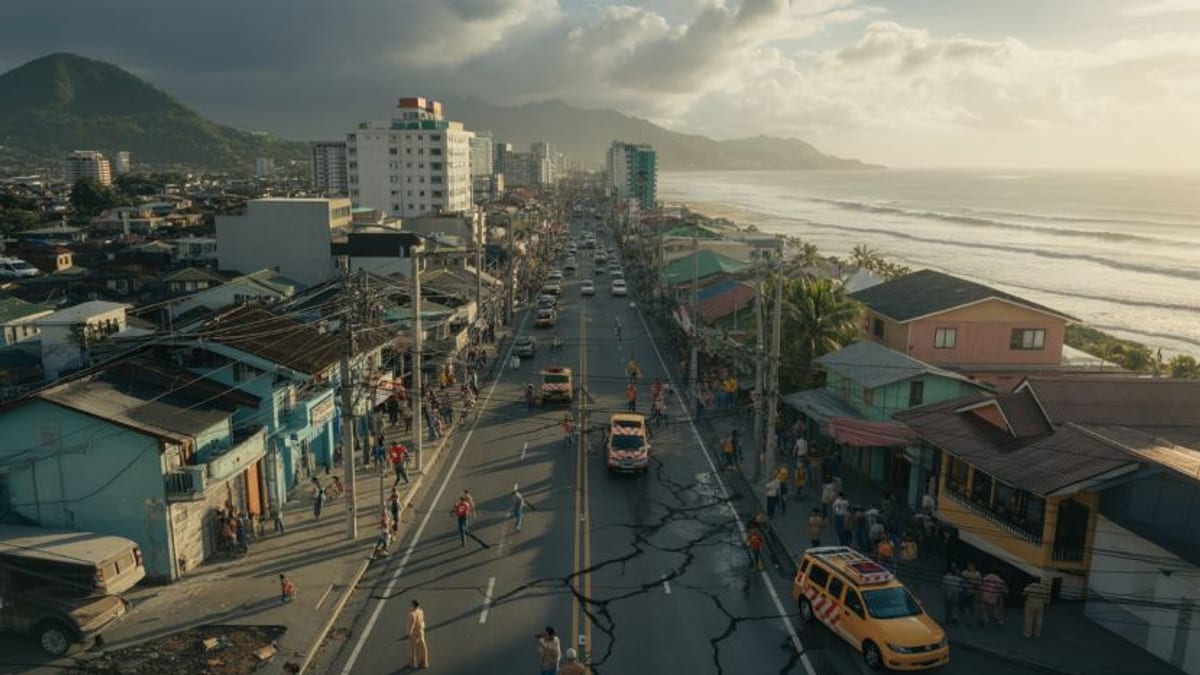
According to published coverage, a strong earthquake struck central Japan around Shizuoka Prefecture shortly after 1 a.m. local time on November 8, 2026, shattering windows and causing injuries in parts of the region. The hypocenter was reported at a depth of roughly 40 kilometers, a typical depth for quakes along this stretch of the Pacific coast. Local media tallied a few dozen injured, with damage concentrated in certain urban corridors rather than across the entire prefecture.
Shizuoka lies between Tokyo and Nagoya along the Tokaido corridor, an important route for both residents and visitors. Early damage reports focused on older buildings, commercial storefronts, and scattered utility disruptions. Rail operators temporarily halted some services for safety checks, a standard precaution in Japan after significant seismic events, before gradually resuming operations once tracks and overhead systems were inspected.
At this stage, publicly available information does not indicate widespread structural damage to major airports or long term shutdowns across the country. Instead, the effects have been localized, with some roads and rail sections in the hardest hit areas subject to speed restrictions or short term suspensions as engineers complete inspections and repairs.
Travelers with plans specifically in Shizuoka Prefecture, including coastal towns along Suruga Bay and inland areas near the Southern Alps, may encounter isolated closures or detours. Those whose itineraries focus on Tokyo, Kyoto, Osaka, Hokkaido, Okinawa, or western Honshu are, for now, seeing largely normal tourism operations, though it remains important to monitor updates in case aftershocks affect transport schedules.
Current Government Travel Advisories For Japan
As of November 8, 2026, the United States Department of State lists Japan at Level 1, meaning travelers are advised to exercise normal precautions. The advisory, last issued in May 2025 and supported by later safety guidance updates, has not been raised in response to the Shizuoka event. Other major source markets, including the United Kingdom, Canada, and Australia, similarly continue to frame Japan as a destination where normal caution is appropriate, while highlighting the country’s exposure to earthquakes and tsunamis.
These national advisories emphasize that Japan sits in an active seismic zone and experiences frequent tremors but also underline the country’s extensive preparation, such as strict building standards, dense seismic monitoring, and detailed disaster response planning. Rather than discouraging travel outright, the notices focus on personal preparedness, contingency planning, and staying informed through local channels and embassy alerts.
Travelers should still check the latest advisory for their nationality shortly before departure, since guidance can change rapidly if aftershocks trigger landslides, tsunamis, or prolonged infrastructure disruption. It is also prudent to enroll in any traveler registration or alert system offered by home governments, which can push out messages if conditions change in areas such as Shizuoka, Nagoya, or the broader Pacific coastline.
In practical terms, the current advisory posture means most visitors with trips to Japan in the coming weeks are not being asked to cancel but are encouraged to remain flexible. Changeable rail schedules near the epicentral region, temporary closures of specific attractions, or localized power cuts remain possible, particularly in the days immediately following the quake.
How Japan Manages Earthquake Risk For Residents And Visitors
Japan has invested heavily in systems that reduce the impact of earthquakes on daily life and on travel. The Japan Meteorological Agency operates a nationwide network of seismic sensors that issues real time information on magnitude, intensity, and the possibility of tsunamis. This information is disseminated via television, radio, mobile alerts, and station and airport announcement systems, allowing transport operators to stop trains and close vulnerable facilities quickly when strong shaking is detected.
Many of the buildings frequented by visitors, including major hotels, department stores, and transport hubs, are constructed under strict seismic codes. These standards are designed to prioritize life safety by allowing structures to sway without collapsing during strong shaking. While no system can eliminate risk, this framework has repeatedly limited casualties and structural failure in dense urban areas that experience frequent moderate earthquakes.
Travelers can also benefit from tools specifically targeted at foreign visitors. The Japan National Tourism Organization maintains online “Japan Safe Travel” information and provides a multilingual smartphone app known as Safety tips that delivers earthquake early warnings, tsunami alerts, and severe weather advisories in multiple languages. The same organization promotes a 24 hour Japan Visitor Hotline that offers guidance in English and other languages, including during natural disasters.
Publicly available guidance from tourism and disaster management agencies stresses simple behavioral steps during a quake: protect your head, move away from glass or falling objects, shelter under sturdy furniture if possible, and follow instructions from facility staff once shaking stops. Near coasts, travelers are urged to move promptly to higher ground if strong or prolonged shaking occurs and official channels mention tsunami concerns, as waves can arrive within minutes.
Practical Advice For Travelers With Upcoming Trips
For visitors scheduled to arrive in Japan in the coming days, the key question is less whether Japan is broadly safe and more how close their itinerary comes to the affected parts of Shizuoka. Those planning brief transits through the prefecture on the Tokaido Shinkansen between Tokyo, Nagoya, and Osaka should check rail operator notices on the morning of travel, but early indications suggest only short term speed restrictions and inspections rather than long term line closures.
Travelers staying in Shizuoka City, Shimizu, Yaizu, or other coastal communities may wish to confirm booking status directly with hotels and guesthouses. Larger properties often reopen quickly after safety inspections, while smaller inns and family run lodgings sometimes delay operations if repairs or safety checks are still underway. Visitors should also review local government disaster maps in advance so they understand tsunami evacuation routes and higher ground in the neighborhoods where they plan to stay.
Comprehensive travel insurance that includes trip interruption and evacuation coverage is particularly important when visiting seismically active regions. In the event that aftershocks prompt transport disruptions or temporary airport closures, policies that reimburse additional accommodation costs or alternative routing can significantly reduce the financial impact. Insurance providers may also issue their own alerts or guidance when major earthquakes occur in popular destinations.
Budget planning should allow for occasional last minute changes, such as taking a longer routing around a damaged rail section or spending an extra night in a city while repairs are completed. Visitors can also prepare by downloading offline maps, having some local currency on hand in case card networks are briefly affected, and carrying a small personal kit with water, snacks, a flashlight, a battery pack, and copies of key documents.
Balancing Ongoing Seismic Risk With Japan’s Tourism Appeal
Japan’s long term seismic risk profile has not changed because of a single earthquake in Shizuoka, but the event is a reminder that tremors are part of the country’s natural environment. Seismologists have for years studied the potential for large events along the Nankai Trough and in other offshore zones, leading to national and local preparedness campaigns that encompass everything from school drills to tsunami sea walls.
For tourism, this means that occasional disruptions from earthquakes exist alongside some of the world’s most advanced mitigation measures. Recent earthquakes in Kyushu, the Sanriku coast region, and other parts of the country have temporarily affected rail lines and local attractions, but have generally been followed by rapid inspections, phased reopenings, and active promotion of recovery travel once safety is confirmed.
Travelers deciding whether to proceed with Japan trips after the Shizuoka quake can weigh factors such as personal risk tolerance, proximity of planned stays to the affected area, and the strength of their contingency planning. Those who are especially anxious about aftershocks may choose to adjust itineraries toward regions far from the epicenter, such as Hokkaido or Okinawa, while others may proceed with minimal changes but pay careful attention to alerts.
Overall, current travel advisories, operational transport networks, and guidance from tourism bodies indicate that journeys to most parts of Japan remain feasible and generally safe, provided visitors stay informed and prepared. The Shizuoka earthquake underscores the value of situational awareness, flexible planning, and respect for local safety procedures, rather than a need for most travelers to abandon well planned trips outright.