


More news on this day
A yellow fog warning in force across parts of Yorkshire on Sunday 8 November is prompting fresh alerts for drivers and passengers, with dense patches expected to reduce visibility and disrupt travel into Monday morning.
Get the latest news straight to your inbox!
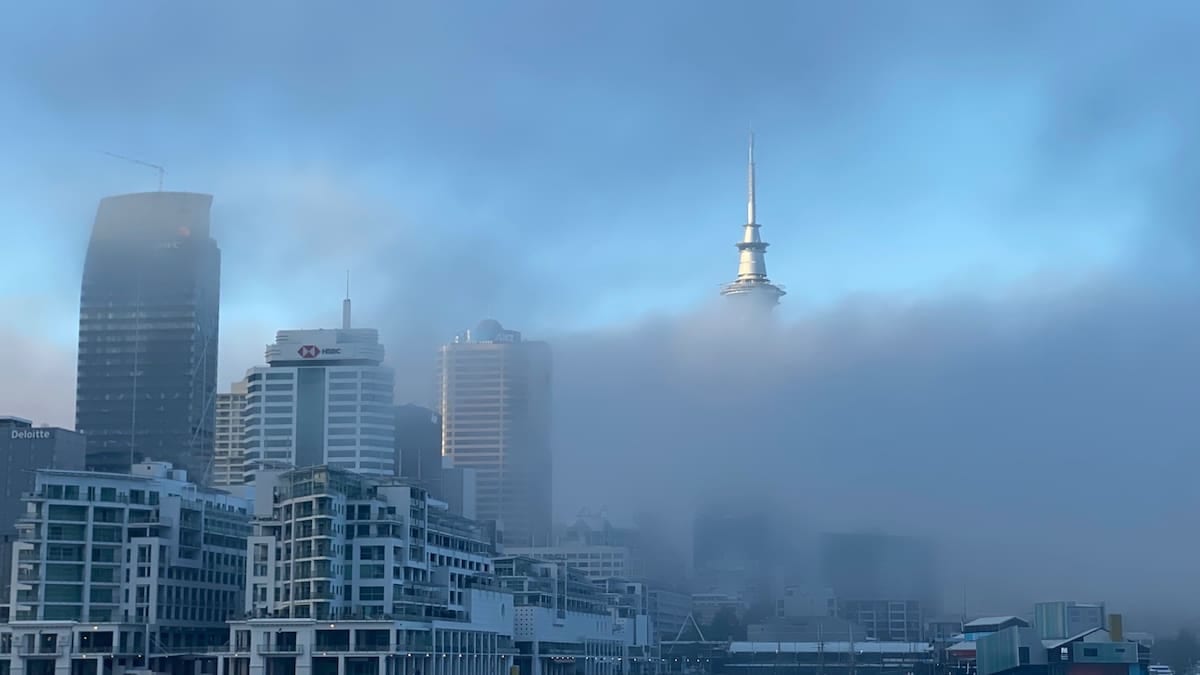
Warning covers key Yorkshire routes through Monday morning
The latest yellow fog warning for Yorkshire and the Humber was issued on Sunday 8 November at 09:58 UTC, with the alert highlighting fog leading to difficult travel conditions and possible delays across the region. The warning is in force from 18:00 on Sunday 8 November until 11:00 on Monday 9 November, spanning both the evening peak and the next morning’s rush hour.
Publicly available information from the Met Office indicates that the warning area includes parts of South and West Yorkshire, with locations such as Sheffield, Wakefield, Doncaster and York singled out in regional coverage. The wider warning also stretches across sections of the East Midlands, North West England, West Midlands, London and the South East, South West England and parts of Wales, forming a broad swathe of affected routes.
The fog risk follows an earlier yellow warning that covered the overnight period from midnight to 10:00 on Sunday, when widespread fog developed with visibility in some places falling below 50 metres. Local reports from South Yorkshire describe dense patches in Sheffield and surrounding areas, underlining how quickly conditions can deteriorate on higher ground and around river valleys.
According to guidance published alongside the warning, the current alert is categorised as having a high likelihood and a moderate impact, meaning travel disruption is considered more likely than not where fog is slow to clear or reforms overnight.
Road users urged to prepare for severely reduced visibility
The principal concern for travellers in Yorkshire is a sharp reduction in visibility during the evening and overnight period as fog forms and becomes more extensive. The Met Office’s warning text highlights fog patches that may quickly become dense, with visibility dropping to around 50 metres or less in places, particularly on untreated or exposed stretches of road.
Publicly available safety advice linked to the warning encourages motorists to allow extra journey time, check road conditions before setting off and be ready to amend plans if necessary. Drivers are also advised to ensure headlights and fog lights are working properly and to understand how to operate them before setting out, as sudden shifts from clear conditions to dense fog can occur over short distances.
Community resilience guidance used by local councils in North Yorkshire notes that yellow warnings can signal a need to rethink nonessential journeys when there is a possibility of travel disruption. In practice, that can mean avoiding long overnight drives, planning alternative routes that use well-lit main roads, and ensuring fuel, phone batteries and emergency supplies are adequate in case of delays.
On urban routes around Leeds, Sheffield and York, the combination of low visibility and wet road surfaces can significantly lengthen stopping distances. Transport and motoring organisations consistently emphasise slower speeds, greater spacing between vehicles and careful use of lights to ensure drivers remain visible without dazzling others in heavy fog.
Rail and bus services face slower journeys and timetable strain
The yellow fog warning also covers major rail and bus corridors running through Yorkshire, including lines linking Sheffield and Doncaster with Leeds and York, and key intercity and regional bus networks. The Met Office’s published impact matrix for fog alerts points to slower journey times, with delays to bus and train services described as possible where visibility reduces and speed restrictions are introduced.
On the rail network, dense fog can prompt drivers to reduce speeds, particularly through junctions, near level crossings and in areas with trackside engineering work, which in turn can push back arrival times and connections. Public travel information services warn that punctuality is more vulnerable when multiple regions fall under the same fog warning, as is the case on 8 and 9 November, with Yorkshire affected alongside the Midlands and parts of north west England.
For bus operators, thick fog is more likely to cause localised disruption rather than full route suspensions, but services can run late where drivers proceed more cautiously through poorly lit rural sections or congested urban corridors. Current guidance encourages passengers to check operator apps and station departure boards before travel, and to allow additional time for transfers between bus and rail.
Travel-focused analysis from UK weather monitoring platforms notes that a series of yellow fog warnings in recent autumn and winter seasons has highlighted how even lower-level alerts can create knock-on disruption for commuters and weekend travellers, particularly when dense patches form during early morning services.
Risk of flight disruption at Yorkshire and northern airports
The current yellow fog warning explicitly flags a chance of delays or cancellations to flights where visibility drops below operational thresholds for arrivals and departures. With parts of Yorkshire and the Humber within the warning area, airports serving the region are likely to monitor conditions closely through Sunday night and Monday morning.
Regional coverage notes that the warning zone includes significant transport corridors that feed into airports such as Leeds Bradford, Doncaster Sheffield’s former catchment area via nearby hubs, and Manchester to the west, where low cloud and fog can already present operational challenges during the colder months. When dense fog forms over airfields or approach paths, aircraft movements may be slowed or temporarily suspended until visibility improves or instrument landing procedures can be safely applied.
Flight tracking services and aviation updates often show that even when airports remain open during yellow fog warnings, individual services can be delayed by the need for increased separation between aircraft in reduced visibility. Passengers are therefore advised, through airline and airport channels, to monitor flight status on the day of travel and to factor potential waiting time into their plans for connecting journeys by rail or road.
Previous fog events highlighted in UK news coverage have led to early-morning backlogs that take much of the day to clear, particularly on busy Sundays and Mondays. With the latest warning overlapping Remembrance Sunday, aviation analysts note the potential for particularly crowded services later in the day if early flights are held or diverted.
Staying informed as yellow alerts evolve
The Met Office stresses in its public-facing guidance that yellow warnings can be issued for a range of severity scenarios, from low-level local impacts to more widespread disruption when certainty is lower. For the Yorkshire fog event, the high likelihood but moderate impact categorisation underlines that while many journeys may still be possible, a significant minority of travellers could face disruption.
Community risk registers for Yorkshire and neighbouring regions recommend that residents sign up to email or app-based weather warnings in order to receive updates if the timing, area or severity of an alert changes. This approach is especially important with fog, which can lift more quickly than forecast in some places while lingering for hours longer than expected in others.
Travel news outlets across the UK are highlighting the need for flexible journey planning on 8 and 9 November, particularly for those connecting between modes, such as driving to railway stations or airports in the early hours. By reviewing the latest forecasts, checking operator service updates and allowing additional time, travellers in Yorkshire can reduce the risk of missed connections and improve safety on routes affected by the yellow fog warning.
With no further fog warnings currently signalled beyond Monday morning for Yorkshire and the Humber, attention is expected to turn back to longer-range outlooks later in the week. For now, the focus remains on navigating a 17-hour window in which visibility and travel conditions across the region may change quickly, and in some cases, with very little warning.