


More news on this day
The United Kingdom’s Foreign, Commonwealth and Development Office (FCDO) currently allows leisure and business travel to Dubai, after lifting emergency restrictions imposed earlier in 2026, but its latest guidance highlights ongoing regional tensions and a continued terrorism risk that visitors are urged to factor into their plans.
Get the latest news straight to your inbox!
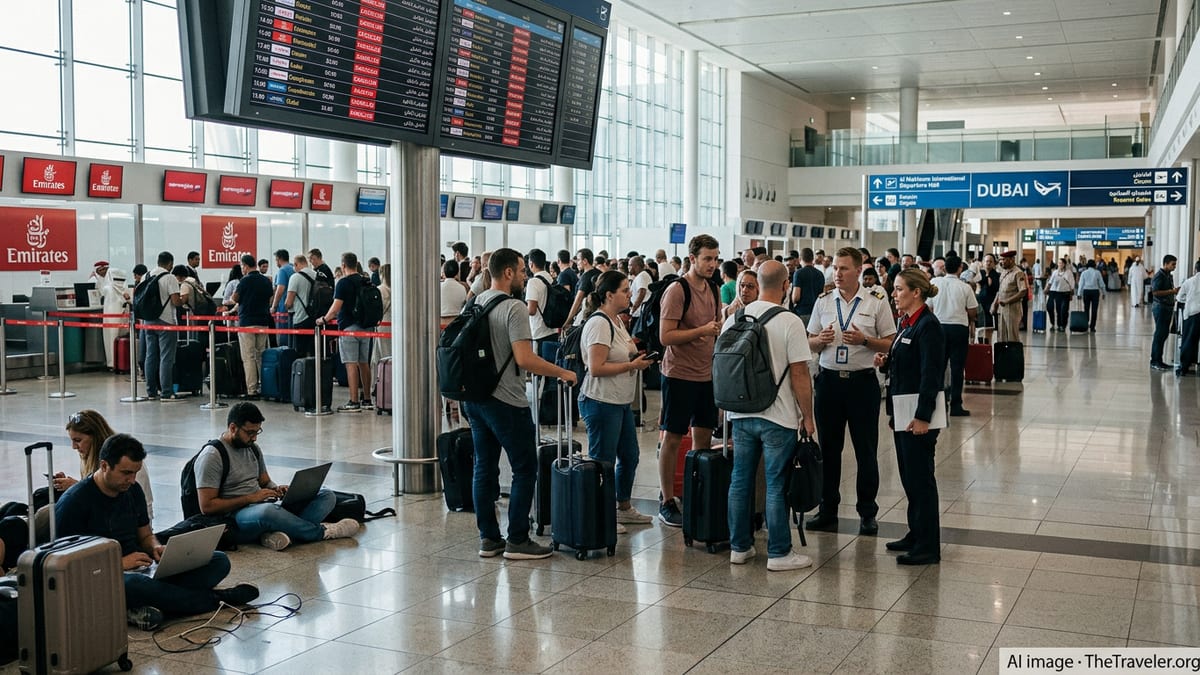
Travel advisory status for Dubai and the UAE
According to the latest United Arab Emirates travel advice on the UK government’s website, the FCDO no longer advises against all but essential travel to the country. That temporary restriction, first introduced at the end of February 2026 during a period of reported missile attacks and calls to shelter in place, was removed on 18 June 2026 as the immediate risk level was reassessed.
The travel advice page for the UAE, which covers Dubai, was most recently marked as still current in early October 2026. The advisory explains that, while routine travel from the UK to the Emirates has resumed, the wider Middle East situation remains unpredictable and conditions could change at short notice.
The FCDO’s update history shows a series of revisions through 2026 that relate to regional escalation, registering presence in the country and options for leaving the UAE during the height of the crisis. These archived changes underline how quickly the tone of official advice can shift when security conditions deteriorate.
British travellers considering Dubai are therefore being encouraged to check the UAE travel advice immediately before departure, and again during their stay, in case the status returns to a warning against non essential travel or additional restrictions are introduced.
Regional tensions and air travel disruption risk
While the blanket warning against most travel has been withdrawn, the FCDO continues to highlight regional tensions as a central factor for anyone flying to or through Dubai. The most recent updates refer to strikes and retaliatory attacks carried out by Iran against United States linked military and civilian infrastructure at several locations across the region, alongside a stated Iranian intention to target sites associated with US and Israeli interests.
The official text notes that further attacks and unforeseen escalation remain possible. British nationals across the Middle East, including in the UAE, are advised to be prepared for flight cancellations, temporary airspace closures and wider travel disruption if regional conflict flares again.
In practice, this means travellers to Dubai are being urged to have flexible tickets where possible, maintain access to funds for unexpected accommodation or rebooking costs, and monitor their airline’s operational updates closely. During the period when the FCDO advised against all but essential travel earlier in 2026, commercial schedules were thinned out and the UK government explored options for organised departures for those who wished to leave.
The guidance also points to tools such as travel advice email alerts and crisis information pages, which allow UK nationals to receive notifications if the situation in the UAE deteriorates or if specific instructions are issued for British citizens already in the country.
Terrorism, public security and everyday safety in Dubai
Beyond regional geopolitics, terrorism remains a core concern in the UAE section of the FCDO advice. The safety and security chapter states that terrorists are likely to try to carry out attacks in the Emirates, and warns that any incident could be indiscriminate and affect locations frequented by foreign nationals, such as transport hubs, shopping centres or major attractions.
The guidance situates this within a broader global warning that UK interests and citizens continue to be viewed as potential targets. Travellers are encouraged to stay aware of their surroundings, follow any local security instructions and familiarise themselves with UK counter terrorism resources that describe how to respond in the event of an incident abroad.
At the same time, publicly available information describes Dubai as a city where visible policing, extensive private security and strict local laws contribute to relatively low levels of street crime affecting visitors. The UAE advice notes that there are legal and cultural expectations covering behaviour, alcohol, social media and public conduct that can be very different from those in the UK, and that breaching them can result in arrest or travel bans.
Recent publicly reported cases involving foreign residents in Dubai show how legal disputes or allegations, including those arising from relationship breakdowns or financial disagreements, can lead to restrictions on leaving the country while a case is resolved. The FCDO guidance stresses the importance of understanding local laws, particularly around debt, public order and online activity, before travelling.
Practical guidance for UK visitors planning a Dubai trip
The current FCDO position means UK holidaymakers and business travellers can continue to book trips to Dubai, but there is an emphasis on preparation. The government’s travel advice pages explain that anyone heading to the UAE should ensure they have comprehensive travel insurance that is valid for the current advisory level. Travellers are reminded that insurance policies may be affected if advice reverts to a warning against all but essential travel while they are away.
Entry requirements for UK nationals, including passport validity rules and visa arrangements, are set out separately, and visitors are directed to check these details before departure so that airline check in or border issues do not complicate travel during a period of regional uncertainty. Those planning to drive, take excursions offshore or engage in adventure activities around Dubai are advised to confirm that operators meet appropriate safety standards.
The FCDO also provides information on how to get help in the UAE, including contact details for British diplomatic posts that can offer consular assistance in emergencies such as arrest, serious illness or lost passports. The same pages refer UK businesses operating in Dubai to specialist overseas risk guidance that focuses on political, economic and security related considerations.
Travellers are being urged to balance Dubai’s appeal as a major tourism and aviation hub with a realistic assessment of the regional security picture. For now, official UK advice allows visits to go ahead, but it frames Dubai as a destination where heightened awareness, flexible planning and close attention to updates remain essential parts of any itinerary.