


More news on this day
After a series of intense storms and flash floods in October 2026 and again in early November, many would-be visitors to Rhodes are reassessing travel plans to one of Greece’s most popular islands.
Get the latest news straight to your inbox!
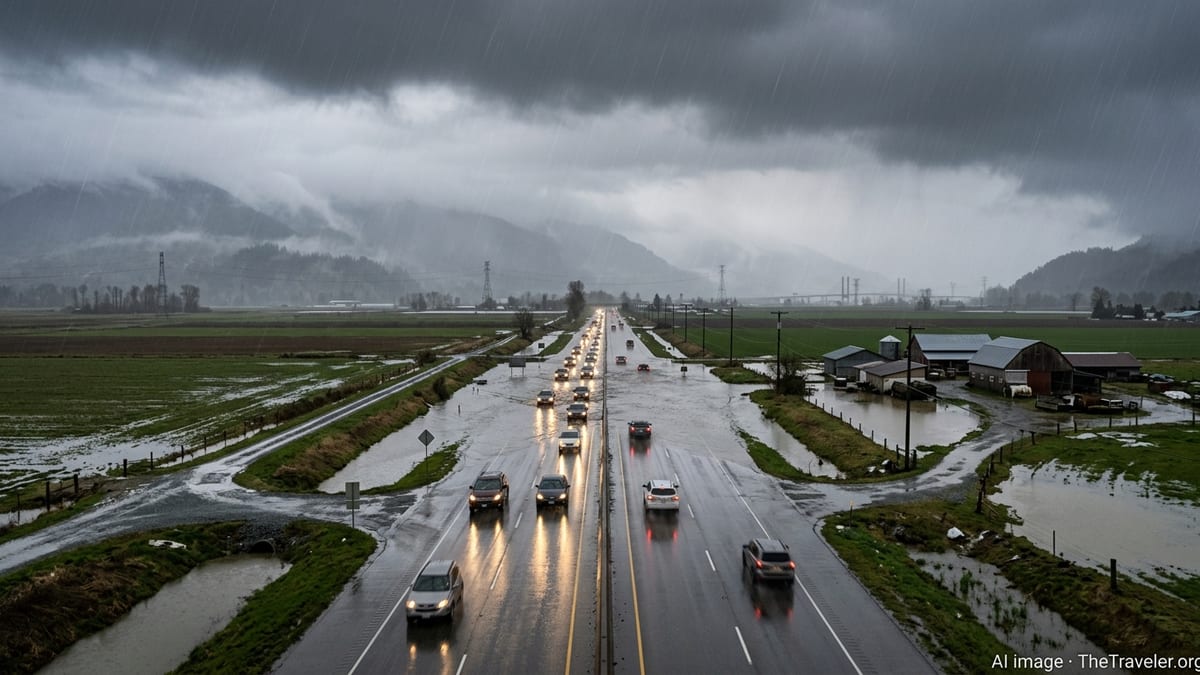
What Happened During the Recent Floods
Rhodes has experienced two rounds of serious flooding within a few weeks. Heavy rain in mid-October led rivers and streams to overflow, with published coverage describing vehicles swept into the sea and at least one fatality near the town of Archangelos. Residential areas, local businesses and sections of the road network suffered damage as torrents of water and debris moved through low-lying districts.
In response to the mid-October events, the Region of South Aegean introduced a so-called Red Code alert for the Dodecanese, including Rhodes, reflecting a high risk of further flooding. This elevated status remained in place through October 29, according to regional announcements compiled by local and national media. During the alert, residents and visitors were advised to limit movements to essential travel while severe weather was in progress.
At the beginning of November, a new system, widely referred to as Storm Agneta, brought more than 17 hours of continuous rain to Rhodes. Reports from Greek and international outlets describe particularly severe effects again in the Archangelos area, where an overflowing river swept away dozens of parked vehicles, flooded homes and shops, and damaged local roads. Schools in affected municipalities were temporarily closed while crews cleared mud and debris.
The repeated events have highlighted longer-standing issues around flood-prevention projects on the island. Greek press coverage notes that works planned several years ago for vulnerable catchments, including those affecting Archangelos, have faced delays and were not fully implemented before the latest storms, contributing to the scale of damage in certain districts.
Current Infrastructure and Access for Travelers
Air access to Rhodes remains open. As of early November 2026, publicly available operational information for Rhodes International Airport indicates that scheduled passenger flights are continuing, with no broad suspension attributed to the floods. Travelers may experience occasional delays or reroutings during active storms, but there is no indication that the airport itself has been closed by flood damage.
Within the island, however, local transport has been more directly affected. Coverage from regional news outlets details damaged sections of the municipal road network in eastern Rhodes, especially around Archangelos and nearby settlements. Authorities have at times restricted access on specific local roads where surfaces were undermined, culverts blocked or landslides occurred. Temporary diversions and lane closures are being used while inspections and repairs continue.
Bus and taxi services have generally continued to operate on the main north-coast corridor that links Rhodes Town with the airport and resorts such as Ialysos and Faliraki, but travelers should be prepared for possible detours or slower journeys in areas where roadworks are active. Coastal promenades and beach access points in affected villages may also be partially closed where sand was eroded or infrastructure such as walkways and beach bars was damaged.
Essential utilities have, according to local reporting, been largely maintained in key tourist zones, although short-term power or water disruptions occurred in some flooded neighborhoods during and immediately after the storms. Hotels that sustained interior flooding or ground-floor damage may need time for repairs and drying works, leading to occasional room reassignments or, in the case of smaller properties, temporary closures.
How Safe Is It for Visitors Right Now?
For most visitors planning to stay in established resort areas and Rhodes Town, the island remains accessible and broadly safe, provided that travelers follow local guidance during any further bouts of severe weather. The Red Code alert for late October was time-limited, and while heavy rain from Storm Agneta arrived soon after, alerts of this intensity are linked to specific forecast windows rather than a permanent status.
The main safety concern is not day-to-day life under normal conditions but the risk posed by short, intense downpours that can trigger flash flooding in ravines and riverbeds. Recent experience on Rhodes shows that parked vehicles, low-lying basements, and roads crossing dry streambeds are particularly exposed when sudden torrents form. Visitors who are unfamiliar with local geography may underestimate how quickly such areas can become hazardous.
Travelers who rely on walking or driving after dark in rural or semi-rural areas should be especially cautious in the days following heavy rain, when road shoulders may be unstable and temporary sinkholes or washed-out sections are still being identified. Published municipal notices in mid-October already urged people to limit non-essential movements in bad weather, signalling that avoiding unnecessary journeys during active storms is now a key part of local safety practice.
Beach safety is another consideration. On some stretches of shoreline near river mouths, strong currents and discolored water can persist for a time after flooding events. While the Aegean is not typically associated with extreme tidal ranges, runoff carrying debris, branches and other material may temporarily affect swimming conditions, particularly near impacted streams. Visitors should check with their accommodation or lifeguard services about the status of nearby beaches if storms have occurred shortly before arrival.
Practical Advice if You Have a Trip Booked
Travelers with imminent departures to Rhodes are being encouraged by airlines and tour operators to monitor weather bulletins from the Hellenic National Meteorological Service and updates from Greek civil protection channels in the days before flying. Many carriers allow free rebooking when formal weather alerts are in place, and package providers may offer alternative dates or destinations if localized infrastructure issues affect a booked hotel.
Once on the island, staying in accommodations that have clear emergency procedures and reliable communication channels can make a significant difference during unsettled weather. Larger hotels and resorts are more likely to have backup power arrangements, elevated storage, and pre-agreed plans for securing outdoor areas if storms intensify. Guests may wish to ask, for example, how the property handled the mid-October floods and whether any rooms remain out of service due to ongoing repairs.
Independent travelers hiring cars should pay close attention to local advice on which routes remain affected. Car rental desks on Rhodes routinely receive updated information on local closures, and staff can indicate roads or villages where recent flooding has been most disruptive. It is prudent to avoid driving through standing water or along narrow river-valley roads when heavy rain is forecast, as recent incidents have involved vehicles being swept off such routes.
Travel insurance that explicitly covers extreme weather disruptions and potential itinerary changes is particularly relevant this season. Policy wording varies, but products that include coverage for missed excursions, additional accommodation costs, and flight changes tied to severe weather alerts may offer added reassurance for visitors heading to Rhodes in the coming weeks.
Looking Ahead to the Rest of the Season
Climatological studies over recent years suggest that Greek islands, including Rhodes, are facing a trend toward more frequent episodes of intense rainfall alongside longer hot and dry periods. While such events are still episodic, the flash floods of October and early November 2026 fit within a broader pattern of weather volatility that local planners and the tourism industry are being forced to confront.
On Rhodes, public debate has sharpened around delayed flood-protection works, river-channel management and building practices in or near natural waterways. National and regional media coverage points to calls for accelerated investment in drainage, retention basins and early-warning systems, especially for communities like Archangelos that have now been hit twice in rapid succession. The island’s dependence on tourism adds urgency, since repeated images of inundated streets can influence traveler perceptions even once day-to-day conditions have normalized.
For visitors, the practical takeaway is that Rhodes is still welcoming guests, but the timing and nature of trips may need more flexibility than in past autumns. Those planning late-season breaks may want to build in room for date changes, choose properties on higher ground rather than at the edge of river plains, and prioritize travel periods outside active red-alert windows. Many travelers who adjust in this way are still likely to experience the island much as in previous years, with patchy storms rather than continuous disruption.
As clean-up and repair efforts continue through November, the situation on specific roads, beaches and smaller accommodations will evolve week by week. Anyone considering a visit should rely on very recent local updates for the exact areas they intend to stay in, while recognizing that core transport links and major resort zones on Rhodes remain open and functioning despite the recent flash floods.