


More news on this day
Israel has issued an updated travel warning for France, urging its citizens to exercise heightened caution as French authorities prepare for renewed street protests and the possibility of fresh unrest in major cities.
Get the latest news straight to your inbox!
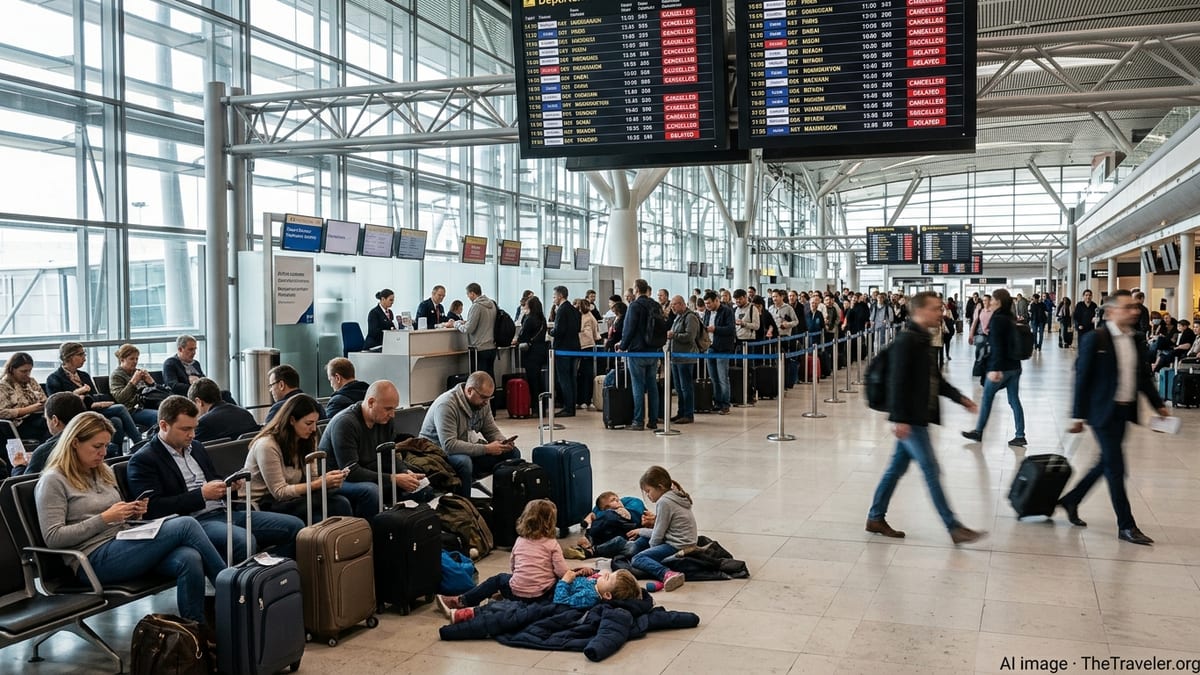
New Advisory Highlights Concerns Over Renewed Protests
According to reports from Israeli media, the National Security Council updated its guidance on 23 October 2026, citing the risk of renewed demonstrations and disturbances across France. The advisory does not call on Israelis to cancel trips outright but recommends avoiding protest sites, steering clear of large gatherings and remaining alert in busy urban areas.
The move follows several days of tension in French cities after nationwide protests against the high cost of living and broader social grievances turned violent in some locations. Published coverage from Paris describes looting, clashes with police and property damage during unrest on 17 October, with further rallies announced for the coming weekend.
Israel’s warning is framed as a precautionary step in light of this evolving situation. Publicly available information indicates that the advisory focuses on behavioral guidance for travelers already in France or planning imminent trips, rather than a blanket ban or a formal prohibition on visiting the country.
Israeli coverage of the decision also notes that the situation remains fluid, with officials in Jerusalem expected to reassess the travel guidance if demonstrations subside or if security conditions in France change significantly in the coming days.
France Increases Security Presence In Tourist Hubs
French authorities have responded to the latest wave of protests by significantly reinforcing security across the country. Recent reporting from Paris indicates that around 70,000 security personnel are being deployed nationwide for the weekend of 24 October, with a strong focus on the capital and other major urban centers.
Cultural attractions popular with international visitors have already been affected. Museums such as the Louvre in Paris, together with several other major sites, are closing temporarily on key protest days as a preventive measure. These closures are described as precautionary steps intended to keep visitors away from potential flashpoints and to reduce the need for last-minute evacuations.
Travel advisories issued by several foreign governments in recent days also point to an increased likelihood of demonstrations, political gatherings and marches in France, sometimes at short notice. Publicly available briefings advise travelers to monitor local media, follow instructions broadcast at train stations and airports, and expect disruptions to public transport in areas where large marches are planned.
For tourists already in France, the heightened security presence will be visible in central Paris, around major squares, shopping districts and transport interchanges. While this can be unsettling for some visitors, authorities describe the deployments as preventive and focused on deterring further violence rather than indicating an imminent specific threat to travelers.
Jewish Sites And Community Areas Under Particular Scrutiny
The Israeli advisory places particular emphasis on locations associated with Jewish community life in France, including synagogues, Jewish schools, community centers and Israeli restaurants or shops. Reports indicate that travelers are urged to remain vigilant around such sites and to pay attention to any temporary closures or enhanced access controls that may be introduced.
France is home to one of the largest Jewish communities outside Israel, and concerns about antisemitic incidents have grown in recent years, especially during periods of tension related to the conflict between Israel and Palestinian groups. Analytical reporting notes that French authorities have periodically reinforced security at Jewish institutions during spikes in regional tensions, including after the October 7, 2023 attacks and subsequent conflict.
Recent commentary from French Jewish organizations suggests that, while the current unrest has largely centered on social and economic issues, community leaders are preparing contingency measures in case protests take on a more overtly political or sectarian tone. These preparations include closer coordination with security services, revisiting emergency procedures at schools and synagogues and reviewing advice to congregants and visitors.
For Israeli tourists and other Jewish travelers, this context helps explain why the new advisory highlights the need for caution around community institutions, even in the absence of confirmed targeted attacks linked directly to the current protests.
What The Warning Means For Travelers From Israel
The Israeli travel warning for France is categorized as an enhanced caution notice rather than a full prohibition on travel. Publicly available information shows that Israelis may continue to visit France for tourism, business or family reasons, but are advised to take additional steps to reduce exposure to potential unrest.
Key recommendations include keeping a low profile in areas where protests are expected, avoiding the display of national symbols in politically charged settings and staying away from marches, counter-demonstrations or spontaneous gatherings. Travelers are also encouraged to maintain regular contact with family members, share itineraries in advance and keep identity documents easily accessible in case routes need to be changed at short notice.
Israeli tour operators that cater to European city breaks are following developments closely. Industry briefings suggest that organized tour groups are adjusting daily schedules to steer clear of protest hubs, shifting from central squares to more residential districts or indoor attractions on days when major demonstrations are planned.
Independent travelers from Israel are being advised through online updates and social media channels to double-check museum opening hours, confirm restaurant reservations and allow extra time when moving through major transport hubs in Paris, Lyon and Marseille, particularly on weekends and evenings.
Planning A Trip To France Amid Heightened Tensions
For prospective visitors planning trips from Israel to France in the coming weeks, the new advisory raises practical questions rather than automatic cancellations. Travel insurers and airlines generally continue to operate under such conditions, although some may allow changes to itineraries when unrest leads to significant disruption of services or the closure of major attractions.
Travelers are encouraged by official advisories and industry guidance to register with consular services where possible, so they can receive security updates by text or email. Monitoring local television, radio stations and reputable news outlets is also recommended, as protest routes and security cordons can shift quickly, affecting public transport and access to city centers.
For those who decide to proceed with their journeys, observers suggest adopting flexible itineraries that do not rely on one-off timed events, such as a specific museum visit on a protest day. Building in additional time for airport transfers, train connections and urban transport can help mitigate the impact of any sudden street closures or station shutdowns.
With both Israeli and international advisories underscoring the potential for renewed unrest in France, travelers are being asked to balance their appetite for city breaks and cultural tourism with a careful reading of the changing security picture, recognizing that conditions may improve or deteriorate quickly as the protest cycle evolves.