


More news on this day
Travelers heading to Italy in June 2026 are being urged to watch a shifting picture of rail and airport strikes, localized severe weather alerts and protest-linked disruptions that could affect key tourist routes at the start of the high season.
Get the latest news straight to your inbox!
Rail Strikes Set to Disrupt Key June Travel Dates
National and regional rail services are at the center of Italy’s latest travel alerts, with a series of walkouts clustered around mid-June 2026. Strike calendars compiled by Italian transport sites and local media highlight a nationwide rail stoppage on Thursday 11 June, involving major operators including Trenitalia, Italo and regional carrier Trenord. Timetables published in news reports indicate that, although a limited number of “guaranteed” services will run in the early morning and evening, many intercity and regional trains risk cancellation or significant delay throughout the day.
Separate traveler advisories and strike trackers also point to a broader national transport strike on Friday 12 June, which is expected to hit additional public services and could again reduce rail frequencies. While some online discussion has circulated about possible further June stoppages, official strike listings examined in recent days do not show a confirmed national rail strike for 19 and 20 June, suggesting that disruption on those dates is more likely to stem from routine congestion than coordinated industrial action.
For visitors, the current alerts mean that journeys booked around 11 and 12 June carry the highest risk of timetable changes. Passenger advice shared by Italian rail operators and echoed in travel industry coverage recommends checking train status repeatedly in the 24 hours before departure, monitoring rail apps for last-minute cancellations and allowing additional time for onward connections. Flexible tickets, alternative routings and, where possible, shifting non-essential travel away from the main strike windows can help reduce the impact.
Urban public transport is also intermittently affected, particularly in Rome and Milan, where municipal unions have staged local actions throughout the spring in protest at wage and budget policies. Reports from recent citywide strikes suggest that some buses, trams and metro lines may keep running, but with extended waits and crowded vehicles that can complicate airport transfers and day trips.
Airport and Air Travel Alerts as Summer Season Builds
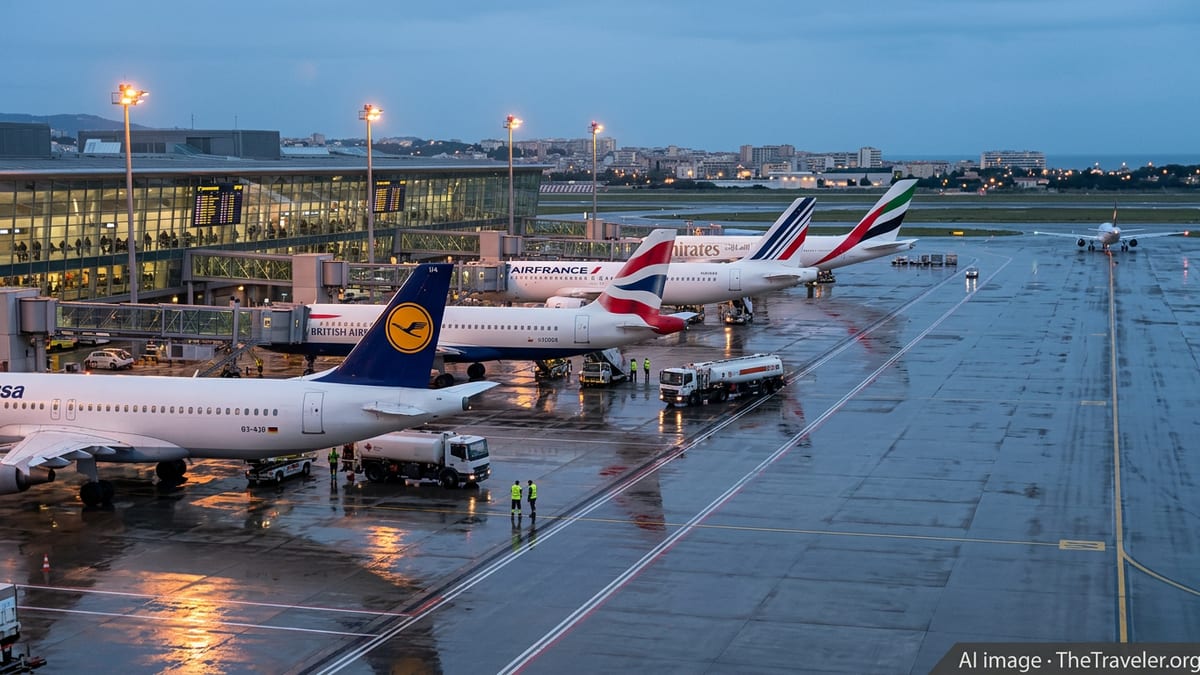
Italy’s airports are facing their own wave of industrial disputes and operational challenges, adding another layer to current travel alerts. Aviation briefings and strike-dedicated platforms report an airport sector walkout scheduled for Friday 12 June, targeting travel retail and support staff at several terminals between late morning and mid-afternoon. While air-traffic control and flight crews are not directly involved in this specific action, limited ground services can still trigger delays in check-in, baggage handling and boarding during the strike window.
The upcoming disruption follows a more severe episode on 11 May, when an eight-hour national strike by air-traffic controllers led national carrier ITA Airways to cancel more than a third of its scheduled flights. Airline bulletins and specialist aviation coverage describe how multiple airports, including Rome Fiumicino, Milan Linate, Milan Malpensa, Naples and Venice, experienced widespread cancellations and knock-on delays that spilled into the following day as aircraft and crews repositioned across the network.
Observers note that further strike notices are likely through the summer, a period when Italian unions traditionally leverage peak demand to press for improved contracts and staffing levels. International airlines operating to and from Italy typically respond by issuing travel waivers, encouraging passengers to rebook outside strike hours where feasible.
Travelers transiting Italian hubs in June and July are advised to monitor airline notifications closely, keep itineraries as simple as possible and avoid tight self-made connections between separate tickets. Extra time for security checks and passport control is recommended at major gateways such as Rome, Milan and Venice, particularly when strikes overlap with weekend or holiday traffic.
Weather Alerts and Localized Flooding in Northern Regions
Alongside labor unrest, Italy’s civil protection system continues to issue localized weather alerts that can affect transport and coastal tourism, especially in the north. The regional weather warning platform for Emilia-Romagna has carried multiple bulletins in recent weeks flagging risks from river flooding, landslides and strong thunderstorms, reflecting saturated ground conditions after repeated spring storms.
National meteorological vigilance summaries from the Civil Protection Department have also highlighted unsettled conditions on several June days, with heavy rain and gusty winds forecast for parts of the northern Apennines and Po Valley. In previous seasons, similar patterns have led to temporary road closures, regional train slowdowns and, in severe cases, evacuations from low-lying rural areas.
For visitors, the main impact is typically felt on regional rail and road links, as well as in rural and coastal accommodations located near rivers or unstable slopes. Local authorities may restrict access to certain hiking trails or riverbanks when risk levels rise, while ferry services on the lakes and islands can be suspended at short notice during strong winds.
Travel coverage recommends that visitors planning self-drive itineraries or rural stays in regions such as Emilia-Romagna, Liguria and parts of Tuscany check the daily weather alert maps provided by regional authorities, and maintain flexible plans when forecasts indicate orange or red alert levels. In many cities and main resort areas, heavy rain results more in localized flooding and temporary disruption than long-lasting closures, but it can still complicate airport transfers and sightseeing.
Protests, Security Measures and Event Crowds in Major Cities
Public demonstrations and political tensions are another element shaping Italy’s current travel landscape, particularly in large urban centers. Coverage in national media over recent months has documented frequent weekend marches in cities such as Milan, Rome and Naples, including pro-Palestinian rallies and protests related to domestic political issues. Some of these events have led to confrontation with police, especially when marches deviated from authorized routes or clashed with counter-demonstrations.
In Milan, the Interior Ministry has recently publicized detailed security plans for major events, including celebrations linked to football championships and the international food trade fair “Tuttofood 2026.” Authorities are deploying reinforced patrols, traffic diversions and temporary crowd-control zones around stadiums and exhibition centers, measures that can lead to localized delays on metro lines, trams and key roads at peak arrival and departure times.
Italy is also under heightened security scrutiny in the wider run-up to the Milano Cortina 2026 Winter Olympics and Paralympics. Background reports on recent incidents, including a February sabotage episode targeting rail infrastructure and broader European concerns about protest movements, suggest that security services are likely to apply a cautious approach to large gatherings in Olympic host regions and transport hubs.
For tourists, these developments translate into occasional detours, temporary station closures and dense crowds around demonstration routes or stadiums. Travelers are advised to factor extra time into journeys on protest days, follow posted diversions and avoid joining marches or large gatherings unintentionally, especially when carrying luggage or valuable items.
Practical Guidance for Travelers Monitoring Italy Alerts
Publicly available guidance from foreign ministries and travel organizations continues to classify Italy as a popular and generally safe destination, but it emphasizes the importance of monitoring day-to-day alerts tied to transport, weather and public order. The United States and other governments outline standard advice for travelers to keep documents secure, stay informed through reliable news outlets and official alert systems, and register contact details when undertaking longer stays.
In practice, the most immediate risks to itineraries in June 2026 stem from schedule disruptions rather than personal safety threats. Rail and airport strikes can derail tightly timed connections, while localized storms and flooding may temporarily close certain routes or attractions. Protest activity is typically well publicized in advance in Italian media, allowing visitors to adjust plans to avoid the busiest locations and hours.
Travel planners suggest building flexibility into Italian itineraries wherever possible: booking refundable or changeable tickets on key strike-prone dates, leaving buffer time before cruises or international flights, and considering alternate modes of transport such as long-distance buses or private transfers when rail reliability is uncertain. Travelers are also encouraged to keep a close eye on accommodation policies in case late arrivals or missed connections require last-minute changes.
As Italy moves deeper into the 2026 summer season, the situation remains fluid, with new strike notices, weather bulletins and event-related advisories emerging on a weekly basis. Visitors who track these alerts closely, and allow room in their plans for some disruption, are still expected to find Italy’s major cultural and coastal destinations open and welcoming, albeit with more than the usual share of logistical complications.