


More news on this day
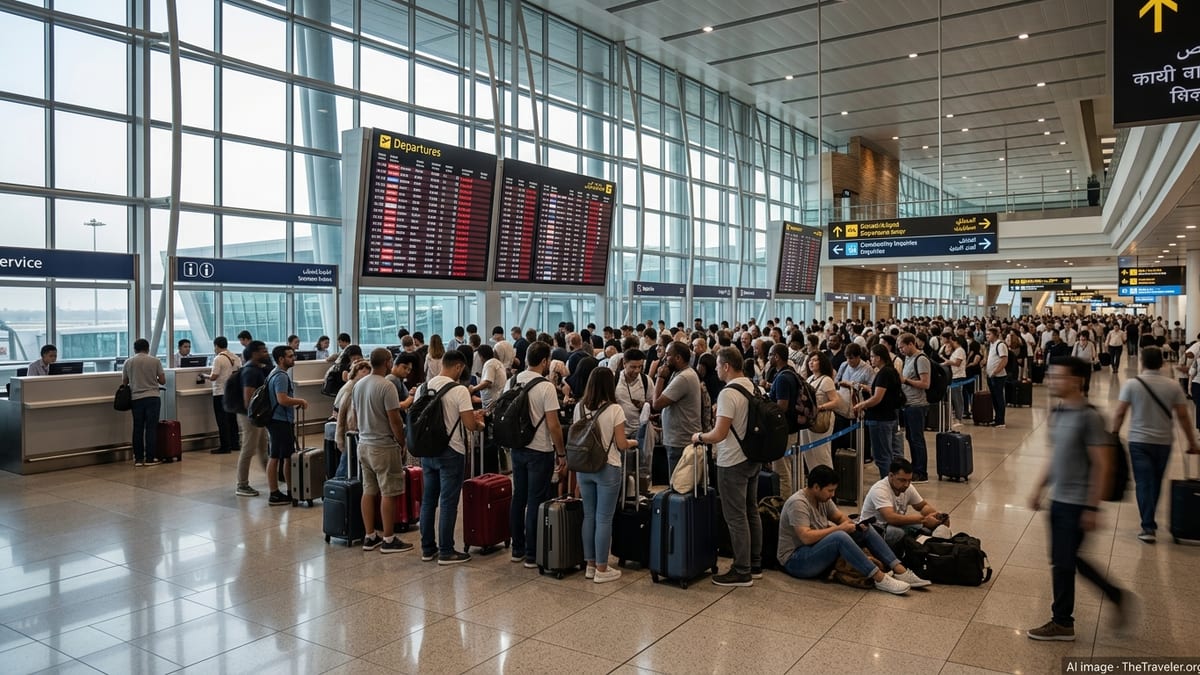
Hundreds of travelers have been left stranded across Japan as regional and major carriers contend with a wave of delays and cancellations affecting services through Tokyo, Osaka, Nagasaki, Hakodate and Sapporo, according to publicly available flight tracking and schedule data.
Get the latest news straight to your inbox!
Widespread Delays Hit Domestic Networks
Flight status dashboards and schedule trackers on May 28 indicate that carriers including Solaseed Air, ANA Wings and parent airline All Nippon Airways are collectively grappling with hundreds of delayed departures and a cluster of cancellations across Japan’s domestic network. Aggregated figures from multiple tracking services point to around 368 delayed flights and at least 13 cancellations on routes linking major hubs such as Tokyo and Osaka with regional cities including Nagasaki, Hakodate and Sapporo.
The disruption has been most visible at high-traffic airports such as Tokyo Haneda and Osaka Itami, where even short delays can quickly ripple through dense schedules. Flights connecting Tokyo with Sapporo’s New Chitose Airport and services along key Kyushu routes have recorded late departures and extended turnaround times, leaving long lines at check in counters and departure gates.
Operational data shows that a number of services are departing well behind schedule while still eventually operating, which helps limit outright cancellations but traps travelers in hours long waits at terminals. For passengers relying on same day onward connections, particularly those moving between regional cities via Tokyo or Osaka, these rolling delays can have the same practical impact as a missed flight.
Regional airports are also feeling the strain. Published information indicates knock on effects at facilities serving Nagasaki and Hakodate, where relatively sparse schedules mean that the loss of even one rotation can leave travelers with no same day alternative and little choice but to accept overnight stays or lengthy re routings.
Solaseed, ANA Wings and All Nippon at the Center of the Turmoil
Solaseed Air, a regional carrier focused on routes linking Tokyo and Osaka with destinations in Kyushu and southern Japan, appears to be among the most affected operators. Tracking data for Solaseed services on May 28 shows multiple flights departing behind schedule on trunk routes from Tokyo Haneda, reflecting a broader pattern of network wide lateness rather than isolated individual delays.
ANA Wings, which operates as a domestic feeder for All Nippon Airways, has also seen its short haul flights impacted. As ANA Wings aircraft provide vital connectivity between secondary cities and ANA’s mainline hubs, delays and cancellations on these segments can trigger a cascade of missed connections, particularly for travelers who require same day links between cities such as Nagasaki, Hakodate and Sapporo via Tokyo or Osaka.
All Nippon Airways, one of Japan’s largest carriers, is contending with the challenge of managing disrupted feeder traffic while maintaining overall network stability. Flight history information for select ANA services on May 28 shows late arrivals and departures on routes between Osaka and Tokyo, signaling congestion in the tightly coordinated domestic schedule. Even when aircraft eventually operate close to their planned arrival time, earlier ground holds can create crew and aircraft rotations that run behind for the rest of the day.
Publicly available operational notices from Japan’s major airlines in recent months highlight how domestic networks are already under pressure from previous schedule adjustments, fleet changes and the integration of reservation systems. Against that backdrop, a single day of concentrated disruption can more easily push the system beyond its usual recovery capacity.
Knock On Effects for Passengers at Key Airports
For travelers on the ground, the statistics translate into crowded terminals and long waits at some of Japan’s busiest airports. Accounts posted to travel forums earlier this year from passengers at Sapporo’s New Chitose Airport describe how a cluster of weather related disruptions left “many tourists stranded,” with limited overnight services and amenities strained as crowds built up. The current pattern of delays across Sapporo and other regional gateways risks producing similarly difficult conditions for those caught in the latest wave of disruption.
At Haneda and Itami, delayed departures on high frequency routes mean that aircraft queues can build on the ground, contributing to additional taxi times and further slippage against published schedules. With multiple carriers sharing runways and airspace, even minor timing issues may compound into broader congestion during peak hours, particularly on heavily trafficked city pairs such as Tokyo to Sapporo and Tokyo to Hakodate.
Travelers connecting from regional flights to long haul international services in Tokyo and Osaka face additional uncertainty. While international operations may technically depart on time, significant domestic delays increase the risk that inbound passengers will miss check in cutoffs or fail to clear security in time, forcing last minute rebookings and overnight stays.
Families and business travelers alike are reporting difficulty securing same day alternatives when flights are cancelled outright from smaller airports, where carriers operate only a handful of daily rotations. In such cases, even a small number of cancellations can leave hundreds of passengers with limited rebooking options, particularly during busy travel periods.
Underlying Pressures on Japan’s Air Travel System
The latest wave of delays and cancellations is unfolding against a backdrop of broader operational challenges for Japan’s airlines. Over the past year, domestic carriers have dealt with issues ranging from global software problems affecting specific aircraft types to the gradual reconfiguration of route networks in response to changing travel demand and cost pressures.
Publicly available corporate materials from All Nippon Airways point to ongoing efforts to streamline domestic operations, including the integration of passenger service systems and adjustments to fare structures on routes linking cities such as Nagasaki, Hakodate and Sapporo via Tokyo and Osaka. While these initiatives are intended to improve long term efficiency and connectivity, transitions of this scale can temporarily add complexity to daily operations.
Japan’s airspace environment has also become more complicated in recent years. International coverage has highlighted how the closure of Russian airspace and tensions over alternative routing options have forced Japanese carriers to adjust long haul paths to Europe, increasing flight times and tightening aircraft and crew utilization. Although the disruptions currently affecting domestic services are centered within Japan, they are occurring within a network that is already operating under new geopolitical and logistical constraints.
In addition, seasonal weather patterns and occasional technical incidents have previously caused spikes in cancellations and delays, underscoring how a combination of factors can quickly strain an otherwise resilient system. The concentration of today’s reported 368 delays and 13 cancellations suggests that multiple stressors are again intersecting, even if no single cause is immediately apparent in public reporting.
What Stranded Travelers Can Expect Next
For those already stranded in terminals from Tokyo and Osaka to Nagasaki, Hakodate and Sapporo, immediate priorities include securing rebooked seats, arranging accommodation where necessary and staying informed about shifting departure times. Airlines typically offer free changes or refunds when delays or cancellations reach certain thresholds, although specific options vary by carrier and fare type.
Travel industry guidance commonly recommends that passengers monitor both their airline’s official channels and independent flight tracking tools for the latest status updates, as departure times can change repeatedly during a disruption event. Travelers holding connecting itineraries are often advised to contact their airline promptly once a significant delay appears likely, in order to protect onward segments and explore alternative routings before remaining seats are filled.
Observers note that Japan’s airports generally maintain high standards of organization and customer facilities, which can make extended waits somewhat more manageable. However, recent experiences shared online by travelers caught in previous disruption episodes at New Chitose and other airports illustrate how even well run terminals can become crowded and uncomfortable when large numbers of flights are delayed or cancelled at once.
With domestic carriers working to absorb the backlog of delayed services, the overall recovery timeline will depend on how quickly aircraft and crews can be repositioned and whether further operational issues emerge. For now, the spike in delays and cancellations provides a reminder that even in one of the world’s most punctual aviation markets, large scale disruption can still leave hundreds of travelers suddenly stuck far from their intended destinations.