


More news on this day
Japan’s outbound travel market is entering a new phase as young female travelers embrace ultra-short overseas breaks, driving a surge in micro-vacations across Asia Pacific and reshaping how the region plans, prices and promotes tourism.
Get the latest news straight to your inbox!
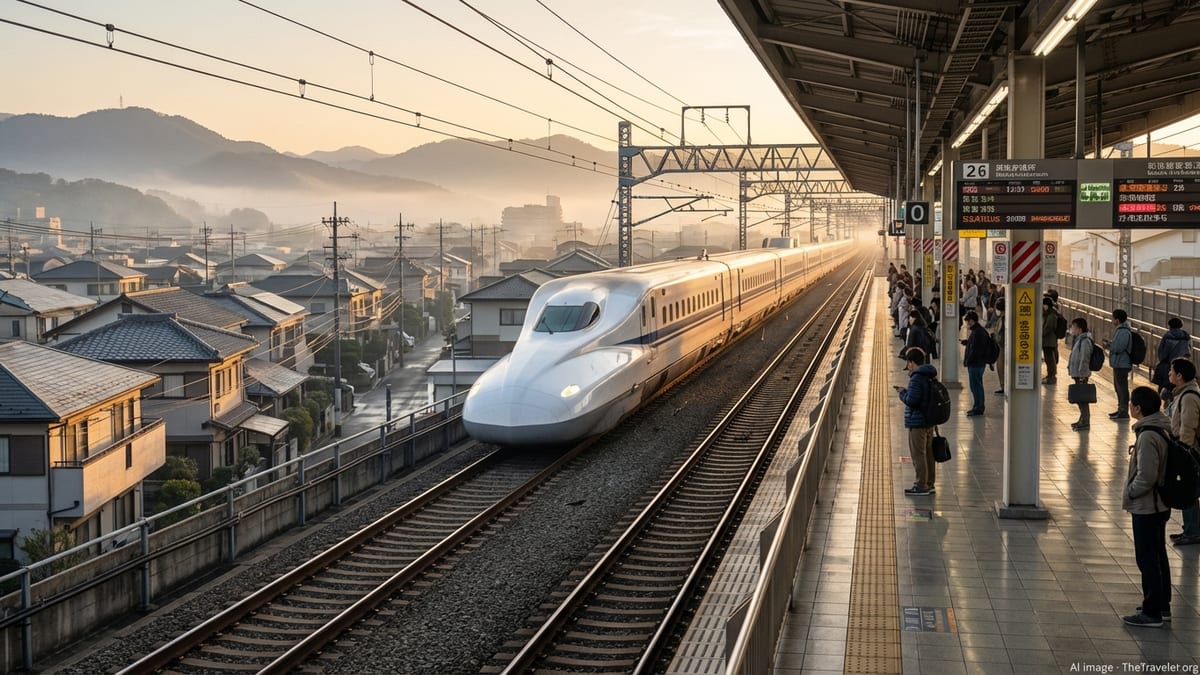
Young Women Take the Lead in Japan’s Overseas Revival
Recent outbound travel data indicate that Japanese residents are returning to international trips more slowly than visitors are arriving in Japan, yet within that muted recovery one group is expanding its footprint: women in their twenties. Industry analyses of 2024 travel patterns show that this cohort now records the highest departure rate of any age or gender group in Japan, with nearly three in ten women in their twenties taking at least one overseas trip during the year. Research by major Japanese travel operators describes these travelers as the primary engine of the country’s outbound revival, even as overall departure volumes remain below pre-pandemic highs.
Publicly available summaries of the latest JTB Overseas Travel Report note a clear contrast with the years before the pandemic, when men in their thirties to fifties were central to the overseas leisure market. That segment has recovered more slowly, while young women have proved quicker to return to travel despite the weak yen and higher airfares. Analysts point to flexible working patterns, strong interest in lifestyle and pop culture experiences, and the influence of social media communities that normalize frequent short-haul trips as key drivers of this shift.
Demographic snapshots from government-linked statistics platforms and destination marketing agencies across Asia Pacific echo these findings. Profiles of “active considerers” for long-haul destinations such as New Zealand show a skew toward Japanese women aged roughly 25 to 39, underlining how young female travelers are now overrepresented among those planning and researching international trips, even where they may not yet convert at scale.
Why Micro-Vacations Fit the New Japanese Travel Mindset
At the heart of Japan’s latest outbound boom is the rise of what travel marketers describe as micro-vacations: tightly packed two- to four-night itineraries, often taken several times a year instead of a single long holiday. Surveys of summer travel behavior published in 2024 by Japanese media and tourism research firms highlight strong demand for short trips to nearby destinations such as South Korea and Taiwan, where flight times can be under three hours from major Japanese hubs and low-cost carriers keep base fares relatively accessible.
Economic factors are reinforcing the appeal of compact itineraries. The prolonged weakness of the yen against regional currencies has made longer overseas trips noticeably more expensive when accommodation, shopping and dining are factored in. Reports from consumer travel surveys note that while older travelers are more likely to postpone or cancel trips in response to currency fluctuations, younger generations are instead adjusting how they travel. Many in their twenties and early thirties trim the length of stay, choose budget hotels or guesthouses and concentrate on a handful of high-impact experiences rather than abandoning international travel altogether.
Micro-vacations also align with the work and lifestyle patterns of young urban Japanese professionals, especially women employed in service, retail and creative industries where securing long stretches of leave can be difficult. Travel behavior studies emphasize that this cohort tends to maximize consecutive public holidays and long weekends with quick overseas escapes rather than extended domestic trips. The result is a calendar filled with multiple short journeys across the year, often arranged on relatively short notice and heavily influenced by social media trends.
Asia Pacific Corridors Rewire Around Japan’s New Demand
The Asia Pacific region is responding to this surge in short, frequent trips from Japan with a shift in capacity and product design. Airline schedule data and market commentary show growth concentrated on regional corridors within a five-hour flight radius of Tokyo, Osaka and Fukuoka, including major gateways in South Korea, Taiwan, Hong Kong and parts of Southeast Asia. Low-cost and hybrid carriers have increased frequencies on popular city pairs, with timetables tailored to weekend break patterns such as Friday evening departures and late Sunday or Monday returns.
Destination marketing materials from tourism boards in economies across the region increasingly highlight “48-hour” or “3-day” itineraries that explicitly target Japanese visitors. These packages emphasize quick-turnaround experiences, from themed cafe crawls and beauty treatments to compact food tours and curated shopping districts. In markets like Thailand, Vietnam and the Philippines, Japanese-language promotional content promotes resort stays that bundle airport transfers, breakfast and on-site activities aimed at minimizing the planning burden for short-stay guests.
Regional economic insight reports from financial and payments institutions describe Japan both as a leading outbound source for certain Asia Pacific destinations and as the region’s premier inbound hotspot in its own right. This dual role is encouraging airlines and tour operators to optimize aircraft utilization and hotel inventory across intra-Asia routes, with Japan-related travel corridors identified as some of the most dynamic for near-term growth, even if total Japanese departures have yet to return to pre-2020 highs.
Social Media, Safety and the Rise of the Solo Female Micro-Trip
The micro-vacation boom is closely tied to the growth of solo and small-group travel among young women. Academic research on female travel choices in Asia notes that many solo female travelers seek a balance between independence and perceived safety, favoring destinations with reliable public transport, clear signage and a visible tourism infrastructure. Major Asia Pacific cities such as Seoul, Taipei and Singapore, along with well-trodden resort areas in Thailand and Indonesia, are increasingly marketed in Japan as safe, approachable entry points for first-time solo trips.
Smartphone usage and social media penetration statistics compiled by Japanese tourism research bodies show particularly heavy engagement with photo and video platforms among women in their twenties and thirties. This creates powerful feedback loops: destination content produced by early adopters fuels aspirational demand among their peers, while user-generated itineraries and budget breakdowns reduce uncertainty around costs and logistics. Popular formats include one-night “girls’ weekend” escapes, café and cosmetics shopping circuits, and themed visits to music or pop-culture events timed around concert tours or fan meetings.
User-generated discussions on travel forums and social platforms focused on Japan and wider Asia reinforce these patterns, with an abundance of trip reports and planning threads centered on short, curated itineraries. While such content is anecdotal, its volume illustrates how young female travelers now see micro-vacations as a normal and attainable part of everyday life, rather than a rare luxury, even in a challenging currency environment.
Opportunities and Growing Pains for Regional Destinations
The surge in Japanese micro-vacations is creating both opportunities and pressures for neighboring destinations. Tourism statistics collated across Asia Pacific show that international visitor numbers rebounded quickly in many markets from 2023 onward, with Japan itself recording a record 36.87 million inbound visitors in 2024. As airlines and hotels compete for short-stay Japanese travelers, questions are emerging about how to manage capacity during peak holiday periods and how to distribute visitors more evenly across regions.
Destination strategies published by tourism organizations in Asia highlight efforts to steer repeat visitors away from already crowded city cores and toward secondary cities or rural areas that can benefit from additional spending. For weekend and micro-vacation travelers, this often means promoting rail-linked historic towns, coastal areas and hot spring resorts that can be reached within a few hours of major hubs and that lend themselves to compact, themed itineraries.
At the same time, regional analysts warn that the micro-vacation model can amplify volatility. Because these trips are shorter and more discretionary, they are sensitive to small changes in airfares, exchange rates and perceived safety conditions. Industry commentary stresses the importance for destinations of diversifying their source markets and investing in sustainable tourism infrastructure that can withstand sudden swings in demand. For now, however, the data show that young Japanese women are at the center of one of Asia Pacific’s most closely watched travel trends, as their appetite for frequent, carefully curated escapes continues to reshape the region’s tourism map.