


Japan's cities can feel like different worlds despite being connected by one of the country's most efficient rail networks. Kyoto moves at a gentler pace, with temple gardens, wooden machiya houses and quiet lanes revealing centuries of history. Tokyo, by contrast, is enormous, fast-moving and illuminated by towering screens, busy stations and late-night streets.
Travelling between the two makes it possible to experience this contrast within a single trip, while the railway journey itself offers a glimpse of the landscapes connecting Japan's historic heart with its modern capital.
Begin Among Kyoto's Gardens and Temples
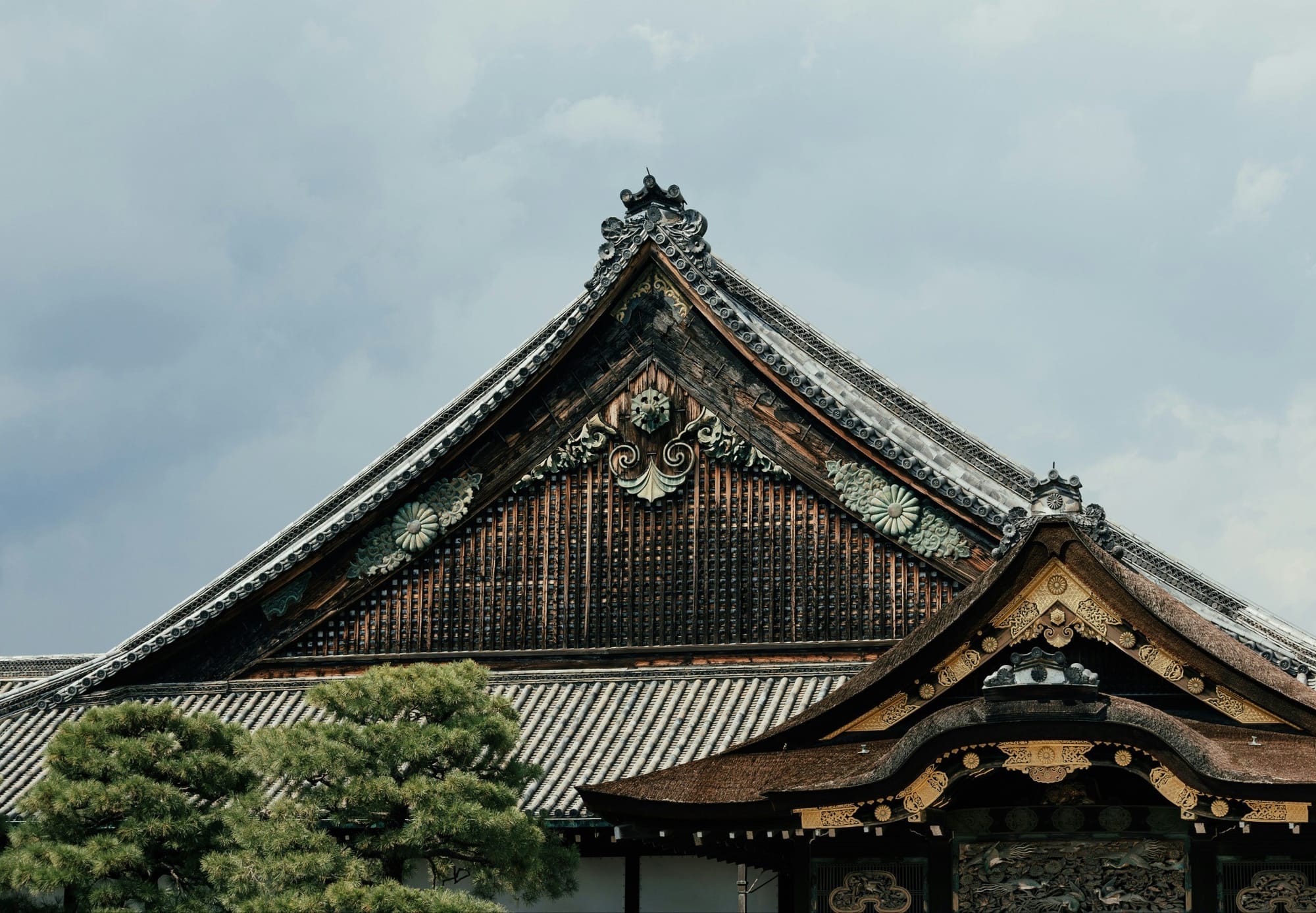
Kyoto is best approached slowly. The city contains an extraordinary concentration of temples, shrines and traditional neighbourhoods, but trying to see them all in a few days can turn an otherwise peaceful destination into a checklist. Start early at a temple such as Kiyomizu-dera, when the surrounding streets are quieter, then continue through Higashiyama towards smaller shrines, tea houses and traditional shops.
The city's gardens deserve particular attention. Ryoan-ji is famous for its carefully arranged rock garden, while the moss-covered grounds of Saiho-ji create a completely different atmosphere. In spring and autumn, seasonal colours add another dimension, although Kyoto's historic districts remain appealing throughout the year. An evening walk through Gion can provide a fitting end to a day spent exploring the older side of the city.
Taking the Shinkansen Towards Tokyo
The journey between Kyoto and Tokyo is one of Japan's classic high-speed rail experiences. The Kyoto to Tokyo train takes around two hours and a quarter on the fastest services, making it possible to leave one city in the morning and spend much of the afternoon exploring the other. Trains depart from Kyoto Station, a destination in its own right thanks to its striking contemporary architecture and enormous concourse.
Travelling by Shinkansen removes much of the friction associated with moving between major cities. There is no airport transfer on either end, and passengers can settle into their seats while the scenery changes outside the window. On a clear day, a seat on the appropriate side of the train may even provide a view of Mount Fuji, although weather and visibility naturally determine whether the mountain appears.
A Different View from Tokyo to Kyoto
The route works equally well in reverse for travellers beginning their Japanese adventure in the capital. The Tokyo to Kyoto train offers a direct connection between the country's contemporary centre and its historic cultural capital, making the two destinations easy to combine without a domestic flight.
Tokyo Station itself reflects the city's scale. The red-brick historic façade sits alongside an enormous transport hub filled with restaurants, shops and commuters. After navigating the station, boarding the Shinkansen provides a remarkably calm transition from the capital's intensity. Within a few hours, the skyline gives way to landscapes that feel much more rural before Kyoto comes into view.
Tokyo's Neighbourhoods Tell Different Stories
Arriving in Tokyo can be overwhelming because the city is so vast. The best strategy is to explore it by neighbourhood rather than attempting to understand the entire metropolis at once. Shibuya is an obvious starting point, with its famous crossing, enormous video screens and constant flow of pedestrians. Yet the district extends beyond its busiest intersection, with quieter streets containing cafés, boutiques and small restaurants.
A short journey brings you to Harajuku, where fashion, youth culture and the peaceful grounds of Meiji Jingu exist side by side. Ginza presents a more polished side of Tokyo, with department stores and luxury brands, while Asakusa retains a more traditional atmosphere around Senso-ji. Moving between these areas demonstrates just how many versions of Tokyo can coexist within the same city.
When History Meets Hypermodernity
One of the pleasures of combining Kyoto with Tokyo is the sheer contrast between them. Kyoto's traditional architecture and carefully maintained gardens encourage visitors to pay attention to small details, from a stone pathway to the arrangement of a tea garden. Tokyo demands a different kind of attention, with layers of signage, movement, sound and architecture competing for notice.
Neither experience needs to replace the other. A quiet morning in Kyoto can be followed days later by an evening in Shibuya surrounded by music, bright displays and crowds. The difference makes the trip feel broader than a conventional city break, offering insight into both Japan's historical identity and its contemporary culture.
Eating Across the Two Cities
Food provides another way to compare Kyoto and Tokyo. Kyoto's cuisine is closely associated with seasonal ingredients, refined presentation and traditional cooking techniques. Kaiseki meals can be elaborate, but visitors can also encounter more casual specialities, including yudofu, soba and sweets associated with Japanese tea culture.
Tokyo has an almost limitless culinary landscape. Sushi, ramen, tempura and yakitori are readily available, but the city's food scene extends into virtually every regional and international cuisine imaginable. Department store food halls are worth exploring for travellers interested in beautifully presented Japanese products, while tiny neighbourhood establishments can provide some of the most memorable meals.
Getting Around Once You Arrive
Both cities have excellent public transport, although they require slightly different approaches. Kyoto's central districts are often easiest to combine through walking and buses, with trains useful for reaching areas farther from the centre. Starting early can make a significant difference at major temples, especially during busy seasons.
Tokyo's rail and metro networks are much larger. The system can appear intimidating initially, but clear signage and frequent services make it remarkably practical once you understand the basic routes. Avoid trying to cross the entire city repeatedly. Group attractions by neighbourhood and you will spend more time exploring and less time underground.
Shibuya After Dark
Tokyo's nightlife offers a dramatic finale to the journey. Shibuya becomes particularly atmospheric after sunset, when the surrounding buildings glow and the pedestrian crossings fill with people. From observation decks and rooftop viewpoints, the scale of the surrounding city becomes easier to appreciate.
There are quieter options nearby as well. Daikanyama and Ebisu have restaurants, wine bars and cafés that feel considerably more relaxed than the busiest parts of Shibuya. For travellers who want to experience Tokyo at night without spending the entire evening in crowded entertainment districts, these neighbourhoods offer a useful alternative.
How Long Should You Stay?
Four or five days in Kyoto allows enough time for the major temples and gardens while leaving room for less obvious neighbourhoods. Tokyo deserves at least three days for a first introduction, although a week would barely scratch the surface. Travellers with more time can add day trips to places such as Nara, Kamakura or Nikko.
The order is flexible. Starting in Tokyo creates an immediate immersion into contemporary Japan before moving towards Kyoto's quieter historic atmosphere. Beginning in Kyoto has the opposite effect, allowing the trip to build towards Tokyo's energetic streets and spectacular skyline. Both approaches have their own appeal.
Making the Most of the Rail Experience
High-speed rail is not simply a practical connection between Kyoto and Tokyo. It provides a chance to see how quickly Japan's landscape changes from dense urban development to open countryside and back again. Stations also tend to be convenient places to find food before departure, from bento boxes to snacks and drinks designed for the journey.
If you are travelling during a particularly busy period, checking train schedules and reservation requirements in advance is worthwhile. Keeping luggage manageable is another advantage, especially when navigating large stations. A smaller suitcase makes transfers between accommodation, platforms and local transport considerably easier.
Conclusion
The journey from Kyoto to Tokyo captures two contrasting sides of Japan without requiring a complicated itinerary. Kyoto invites travellers into temples, gardens, traditional streets and seasonal cuisine, while Tokyo delivers neon-lit avenues, creative neighbourhoods, extraordinary food and an urban energy found on an entirely different scale. The high-speed rail connection links these experiences with remarkable efficiency, yet the contrast between the destinations remains striking. Give Kyoto enough time for its quieter pleasures and Tokyo enough space to explore beyond the famous sights, and the result is a journey that feels both culturally rich and wonderfully varied.