


More news on this day
More than 500 flight delays and at least 15 cancellations across Australia and New Zealand in July 2026 are disrupting winter travel plans, as weather, congestion and capacity pressures ripple through trans-Tasman and domestic networks.
Get the latest news straight to your inbox!
Disruptions Mount Across Key Hubs
Preliminary operational tallies compiled from airport boards, airline travel alerts and independent disruption trackers indicate that 507 flights touching Australian and New Zealand airports have recorded significant delays so far this month, alongside at least 15 outright cancellations. The impact is concentrated at major gateways including Sydney, Melbourne, Auckland, Christchurch and Wellington, with knock-on effects spreading to smaller regional airports.
The figures, collated for the first two weeks of July, reflect a pattern of rolling disruption rather than a single major outage. Short-haul domestic services and trans-Tasman flights appear to be bearing the brunt, as tight turnarounds and busy morning and evening peaks leave limited slack in schedules when conditions deteriorate.
While overall flight volumes remain comparable with recent winters, the clustering of delays on certain weather-affected days has amplified the perception of chaos for travelers. Online flight-tracking dashboards show extended queues of late-running arrivals and departures on several key days, with some services pushed back by more than two hours.
Travel commentary and passenger posts suggest that the operational strain is particularly visible at Sydney and Melbourne, where pressure on gates and air traffic slots during peak periods can quickly cascade into wider timetable disruption across domestic and international networks.
Weather, Seasonal Peaks and Infrastructure Limits
Winter weather patterns across the Tasman are a central factor behind July’s disruption picture. Publicly available aviation performance summaries for the southern autumn and early winter have already highlighted fog, low cloud and crosswinds as recurring causes of delay at both Australian and New Zealand airports, and similar conditions have continued into July.
On several days, low-visibility procedures and wind-related runway constraints have reduced the rate at which aircraft can land and take off at major airports. When arrival flows are slowed, late inbound aircraft in turn delay subsequent departures, driving up the number of flights that miss their scheduled times even after conditions begin to improve.
Seasonal passenger peaks are compounding the challenge. July is a popular month for school-holiday travel in both countries, with families heading to ski fields, Pacific islands and major cities. Airlines are operating dense schedules on core leisure routes, leaving limited spare aircraft and crew to recover quickly from weather disruptions.
Infrastructure limits at some airports also play a part. Capacity constraints on runways, taxiways and terminal gates during busy waves of departures can make it harder to absorb even minor operational hiccups, increasing the likelihood that a localized delay will spread across an airline’s wider network.
Knock-On Effects for Domestic and Regional Routes
The pattern of disruption is not confined to long-haul and flagship trans-Tasman services. Domestic and regional flights within both Australia and New Zealand are heavily represented in the tally of 507 delays, reflecting the interconnected structure of airline networks across the two countries.
When a mainline jet from a major hub arrives late, the aircraft or crew are often scheduled to operate subsequent short sectors. That ripple can push back multiple services in succession, particularly on routes that already operate close to minimum turnaround times or where there are few alternative aircraft available.
In New Zealand, smaller airports reliant on feeder links to Auckland, Wellington and Christchurch have reported sporadic disruption as a result of late-running inbound services. In Australia, secondary cities tied into hub-and-spoke networks via Sydney, Melbourne and Brisbane have experienced similar patterns, with some passengers facing missed connections and extended layovers.
Road and rail issues are adding another layer of complexity. Separate transport updates in both countries have pointed to intermittent highway closures and rail maintenance affecting airport access on certain days in July, complicating travel plans for passengers attempting to reroute or reach alternative departures at short notice.
Passenger Experience and Consumer Rights
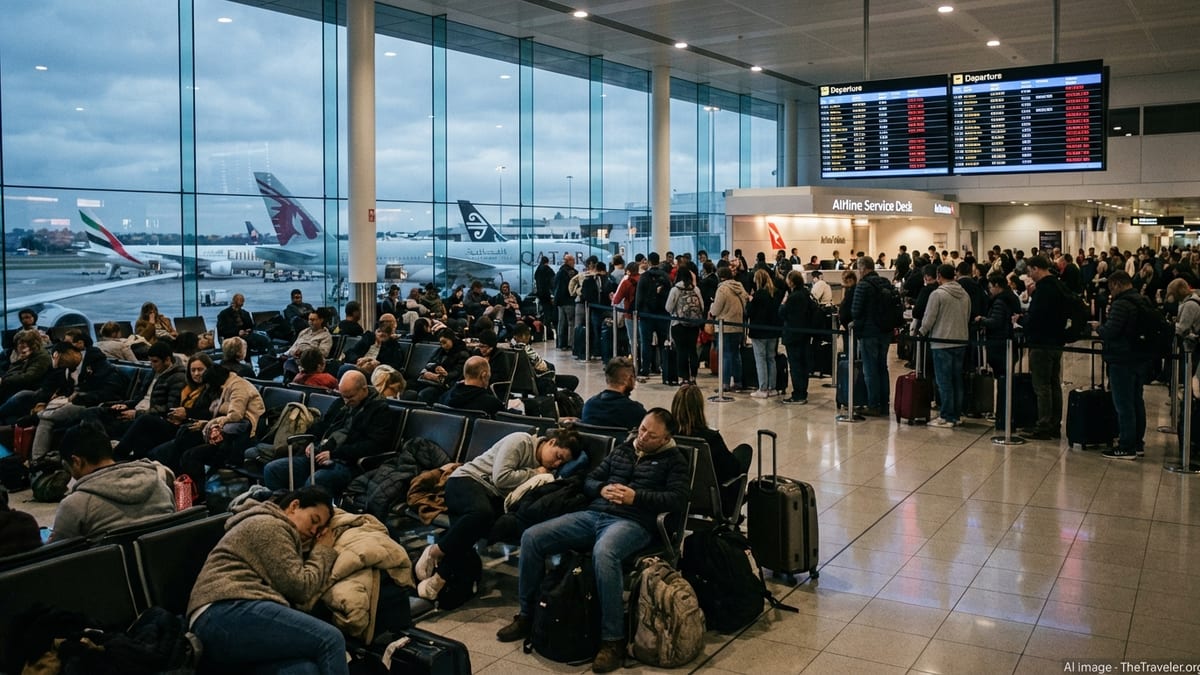
Across social and travel platforms, passengers have described long queues at check-in and rebooking desks, crowded departure lounges and uncertainty over revised timings during the most heavily affected periods. Some reports indicate that rolling short delays, repeatedly pushing back departure boards in 15 to 30 minute increments, have been particularly frustrating for travelers with onward connections.
Consumer rights organizations and travel-compensation specialists note that eligibility for financial compensation under Australian and New Zealand regimes often depends on the underlying cause of disruption. When delays and cancellations stem from adverse weather or air traffic control restrictions, options may be limited to rebooking and care provisions rather than cash payments.
However, publicly available guidance emphasizes that passengers can still expect clear and timely information, assistance with meals and accommodation in extended disruption scenarios, and refunds where flights are significantly changed or not operated. Travelers are also being encouraged to review the terms of travel insurance policies, which may offer additional cover for out-of-pocket expenses linked to delays.
Advisories from industry and government channels highlight the importance of monitoring flight status through official airport and airline tools, particularly in the 24 hours before departure, and building in extra connection time where possible during the busy winter travel period.
How Airlines and Airports Are Responding
Publicly accessible travel alerts issued by major carriers across Australia and New Zealand during July show a mix of schedule adjustments and flexible travel options. These have included pre-emptive retiming of flights, consolidation of lightly booked services onto larger aircraft, and short-term waiver policies allowing passengers to move to alternative departures without change fees when forecasts indicate significant weather risk.
Operational updates from airports indicate ongoing efforts to smooth passenger flows during disruption, including dynamic gate changes, the use of remote stands and bus transfers where appropriate, and closer coordination with ground transport providers to manage surges in arrivals and departures.
Industry reports point to a broader push to improve resilience ahead of future peak periods, including investment in advanced weather forecasting tools, reviews of minimum connection times, and adjustments to buffer periods between tightly banked services. Airlines are also continuing to refine crew rostering and aircraft allocation strategies to create more flexibility when unexpected events hit.
For travelers navigating the current wave of disruption, the message from publicly available guidance is consistent: plan ahead, stay informed, allow extra time at the airport and be prepared for last-minute changes. With weeks of winter still to run on both sides of the Tasman, further episodes of weather-linked disruption remain possible, even as airlines and airports work to keep schedules as stable as conditions allow.