


More news on this day
Kensington Tours is sharpening its focus on food-driven travel in Europe, unveiling new private itineraries that weave culinary experiences into customized journeys across Spain, Portugal, France and Switzerland.
Get the latest news straight to your inbox!
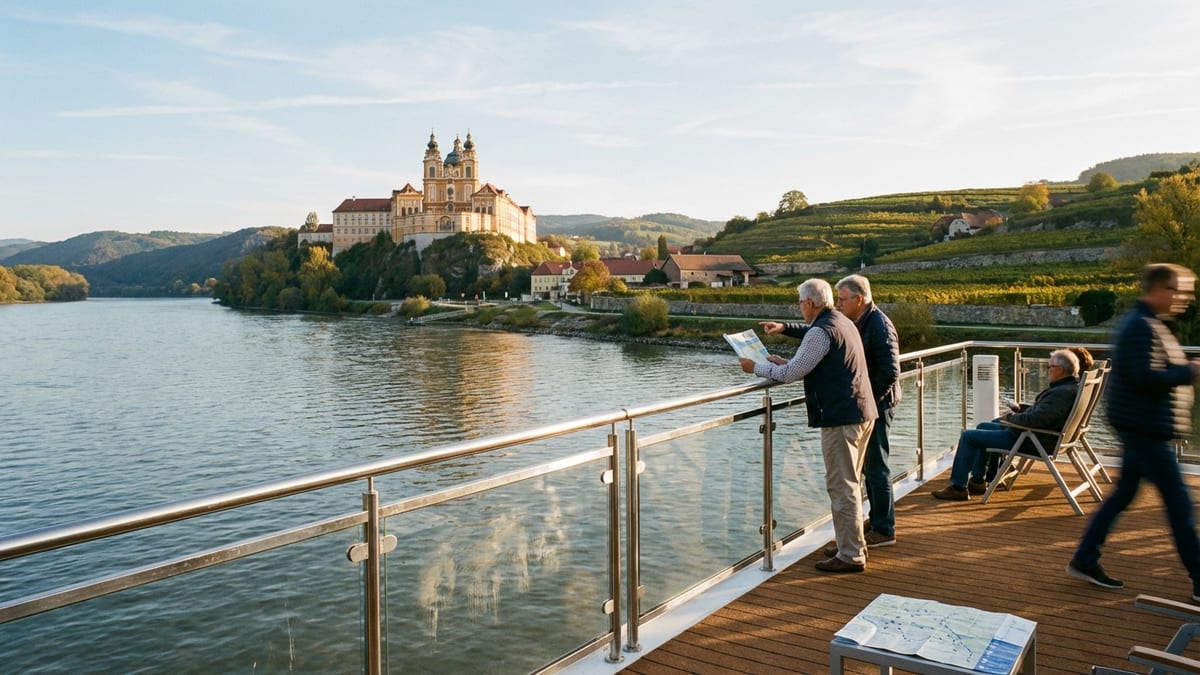
Culinary Experiences Move to the Center of the Journey
Recent coverage of Kensington’s latest Europe portfolio indicates that gastronomy is no longer a side activity but a core design principle of the operator’s new trips. The company’s curated routes across Spain, Portugal, France and Switzerland increasingly build itineraries around regional flavors, food traditions and market culture, reflecting a wider shift in luxury travel toward experiential, place-based storytelling through cuisine.
Reports on the new programs describe itineraries where cooking classes, tastings and market visits are integrated with private guiding and flexible sightseeing, rather than added as optional extras. In practice, that can mean a morning exploring historic neighborhoods with a local guide followed by an afternoon in a family-run kitchen, or a day of art and architecture capped by a sommelier-led tasting in a notable wine region.
Industry analysts note that this emphasis on food aligns with broader demand patterns across the tour sector, where culinary travel has become one of the fastest-growing themes. Other operators have launched dedicated food collections in recent months, and Kensington’s move to foreground gastronomy within its European offerings positions the company squarely within that trend while maintaining its hallmark of private, customizable travel.
Spain, Portugal, France and Switzerland in the Spotlight
Within Europe, the latest Kensington itineraries highlight a mix of classic and emerging culinary hotspots. Coverage of the new Spain programs points to routes that connect major cities and coastal regions while spotlighting tapas culture, pintxos bars and local markets. In some cases, itineraries follow well-known food corridors linking cities such as Barcelona and Bilbao, pairing design and contemporary art with seafood-focused dining and Basque specialties.
In Portugal, publicly available descriptions of the brand’s journeys suggest that travelers can expect time in Lisbon’s neighborhoods alongside excursions into wine regions and coastal towns. Itineraries often balance city-based culinary stops with experiences in smaller communities where visitors can sample traditional dishes, local cheeses and regional desserts, reflecting the country’s growing profile among food-focused travelers.
France and Switzerland round out the current European focus. French routes are described as combining urban culture with visits to countryside areas known for wine and produce, while Swiss programs tend to integrate alpine landscapes with tasting experiences that feature local cheeses, chocolate and mountain cuisine. Across all four countries, the itineraries are framed as templates that can be adapted to individual tastes, rather than fixed group departures.
Private, Tailor-Made Format Targets High-End Food Travelers
Kensington’s culinary-focused Europe trips are structured as privately guided, customizable journeys, a format that continues to gain traction among affluent travelers. According to recent travel trade reporting, the operator is positioning these itineraries for guests who want culinary depth without sacrificing privacy, schedule control or high service levels.
In practice, this means travelers can adjust the balance between food experiences and traditional sightseeing. A guest might request additional time in a wine region, add a hands-on cooking session, or swap a museum visit for a guided market tour. The private model also allows for tailoring around dietary preferences, pacing and accessibility considerations, which has become increasingly important as multigenerational and mixed-ability groups book higher-end travel.
Observers point out that this approach fits within Kensington’s broader strategy in the luxury segment, where the company has been consolidating its top-tier offerings under a dedicated ultraluxe portfolio. While the new European culinary routes are not limited to that highest tier, they draw on the same emphasis on bespoke design, vetted local partners and access to experiences that are difficult to arrange independently.
Responding to Rising Demand for Culinary Tourism
The decision to foreground food across these European itineraries comes as culinary travel gains momentum throughout the industry. Recent surveys cited by tour operators and trade publications indicate that a significant share of travelers now consider local cuisine and food experiences a primary reason to choose a destination, not merely an add-on once they arrive.
Published coverage of competitor programs in Europe and Asia shows that many brands are rolling out cooking classes, vineyard stays and producer visits to capture this demand. Kensington’s strategy in Europe appears to follow a similar arc but within a private, custom-built framework rather than scheduled group departures, appealing to travelers who prefer flexible dates and individualized service.
Analysts suggest that culinary-focused itineraries also offer tour operators greater differentiation in a crowded European market. By building trips around local food culture, operators can highlight smaller towns, regional producers and off-the-beaten-path districts that might not feature on traditional city-hopping routes, while still including marquee sites that first-time visitors expect.
Positioning Within a Broader Luxury Travel Shift
The expansion of Kensington’s European culinary journeys comes at a time when the company has been refining its positioning in the high-end travel space. In recent months, Kensington has introduced an ultraluxe division that consolidates its land tours, private villas, yachts and expedition-style trips under a single umbrella, adding a suite of signature itineraries that combine multiple modes of travel and elevated experiences.
Industry reporting portrays the new European food-focused programs as complementary to this broader strategy. While not every culinary itinerary is marketed at the ultraluxe level, many of the same principles apply, including a focus on customization, small-scale experiences and partnerships with local experts. The result is a portfolio in which a traveler might pair a week of food and wine touring in France or Spain with a villa stay, yacht charter or expedition-style add-on curated through the same brand.
For travel advisors and consumers tracking trends, Kensington’s latest Europe collection underscores how culinary tourism has moved firmly into the mainstream of luxury travel planning. As operators across the sector refine their offerings for 2026 and beyond, food-led itineraries in Europe are likely to remain a prominent feature of new product launches and marketing campaigns.