


More news on this day
Residents in parts of Bucyrus, Ohio, are being allowed to return home after a freight train derailment involving tank cars carrying hydrochloric acid led to overnight evacuations and travel disruptions in the north-central Ohio city.
Get the latest news straight to your inbox!
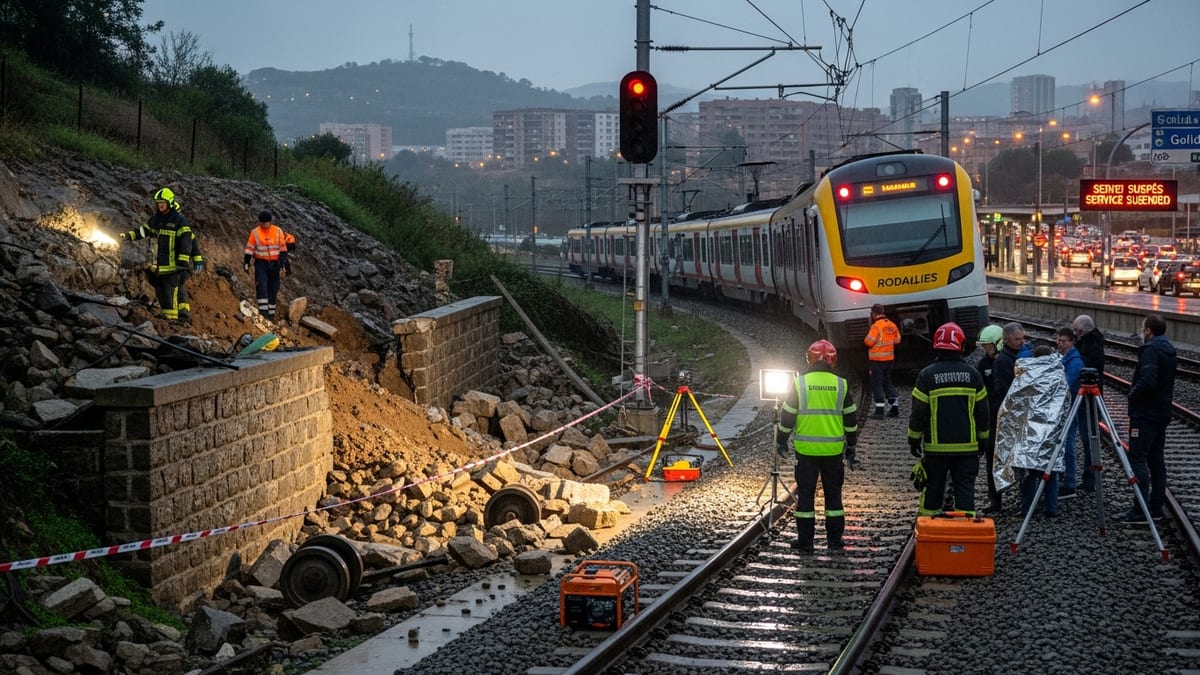
Evacuation orders ease as risk zone shrinks
Publicly available information indicates that a section of Bucyrus near Whetstone Street and Auto Avenue was evacuated on Sunday night, July 5, after several freight cars left the tracks and at least one tanker believed to be carrying hydrochloric acid tipped on its side. Early guidance advised people within a wider area to leave their homes as a precaution, citing both inhalation risks and the possibility of an explosion if a significant leak occurred.
By Monday, July 6, published coverage from regional outlets described a smaller evacuation footprint, with the highest restrictions focused on properties closest to the derailment site. Reports indicate that monitoring around the scene did not show an immediate communitywide threat, allowing officials to begin reducing the radius where people were asked to stay out.
Residents just beyond the tightened perimeter have been advised through local news updates and municipal alerts that they may return, but to stay attentive to further announcements in case conditions change. Those living nearest to the damaged tanker are being asked to wait longer while crews continue inspections and air quality checks around the rail line.
Some businesses and homes inside the original zone remain temporarily inaccessible while safety teams confirm that any trace amounts of hydrochloric acid are adequately contained or neutralized. Publicly available information shows that responders are staging equipment on nearby streets, which can add to the difficulty of accessing driveways and side roads even for those cleared to go back.
What travelers and commuters need to know
The derailment occurred along a rail corridor that cuts through residential neighborhoods, affecting both local traffic and regional travel plans. Road closures near Whetstone Street, Auto Avenue and adjacent crossings are expected to continue while rail inspectors, hazardous materials specialists and heavy equipment operators work around the damaged cars.
Travel media coverage and regional reports advise that drivers passing through Bucyrus should anticipate detours, particularly on streets intersecting the rail line on the west side of the city. Temporary barriers and law-enforcement checkpoints have been used to keep vehicles out of the immediate response area, which may lengthen driving times for those heading toward Mansfield, Marion or other nearby hubs.
Long-distance travelers using north-central Ohio as a through route are being encouraged by local advisories to check traffic and mapping tools frequently, as conditions can change with little notice when heavy cranes or vacuum trucks are brought in to remove debris. Motorists towing trailers or recreational vehicles may find it easier to follow wider state highways around Bucyrus rather than looking for shortcuts through residential streets.
Rail passengers are less directly affected, since the line involved carries freight. However, publicly available information suggests that the affected track segment is blocked for now, so additional freight congestion could ripple into other parts of the network and indirectly impact schedules for passenger corridors elsewhere in the region.
Hydrochloric acid and potential health concerns
Reports indicate that the key concern in Bucyrus is hydrochloric acid, a corrosive industrial chemical widely used in manufacturing and water treatment. In liquid form, hydrochloric acid can cause severe burns to the skin and eyes, while concentrated vapors can irritate or damage the respiratory tract if inhaled in sufficient amounts.
According to broadly available safety summaries from health agencies, exposure risks are strongly dependent on concentration and duration. A small, contained leak near ground level may present limited danger if it is quickly neutralized, whereas a larger uncontrolled release could send irritating fumes drifting downwind. That possibility contributed to the initial decision to move people out of homes closest to the derailed tanker.
Regional news coverage notes that field teams in Bucyrus have been scanning the air near the crash site for signs of elevated levels. As of Monday, reports describe no widespread contamination, which has supported the decision to let some residents return. Even so, people who live nearby have been advised through public messaging to avoid the work zone, keep pets away from standing water, and seek medical advice if they notice persistent coughing, throat irritation or unusual odors inside their homes.
Travelers passing through the area are unlikely to encounter significant health risks so long as they remain outside the restricted zone and follow road signage. For those with preexisting respiratory conditions who plan to stay overnight in Bucyrus or neighboring communities, checking the latest local air-quality information and municipal advisories remains a prudent step.
Ongoing cleanup, rail safety questions and what comes next
Published coverage describes an intensive cleanup operation at the derailment scene, with cranes and heavy machinery preparing to lift damaged cars back onto the rails or remove them for inspection. Before any remaining residents inside the tightened zone can reoccupy their homes, responders are expected to finish checking the stability of the tanker believed to hold hydrochloric acid and confirm that surrounding soil and drainage systems show no problematic concentrations.
The Bucyrus derailment comes amid continued public discussion about hazardous materials and rail safety in Ohio, following several high-profile incidents in recent years. Policy reviews and legislative hearings at the state level have previously highlighted concerns about longer trains, track maintenance standards, and the systems used to identify and monitor cars carrying toxic or flammable cargo.
For now, the focus in Bucyrus remains on restoring daily life: reopening key streets, resuming normal traffic patterns and giving displaced residents clarity on when they can fully return. Local hospitality businesses, including roadside motels and eateries, may see a short-term shift in demand as evacuees, contractors and visiting cleanup crews look for nearby accommodations and meals.
Travelers planning itineraries through north-central Ohio in the coming days may want to build in extra time for detours, keep an eye on local news outlets for updates on the rail line’s status, and be prepared for intermittent noise and lights from overnight cleanup work. As inspections progress and the last restrictions lift, Bucyrus aims to transition from emergency response back to routine life, while broader conversations about rail safety and hazardous cargo continue well beyond the city limits.