


More news on this day
Thousands of passengers have faced long delays and overnight waits at Nairobi’s Jomo Kenyatta International Airport after a go-slow by aviation workers disrupted flight operations across Kenya’s main air hub and several other airports.
Get the latest news straight to your inbox!
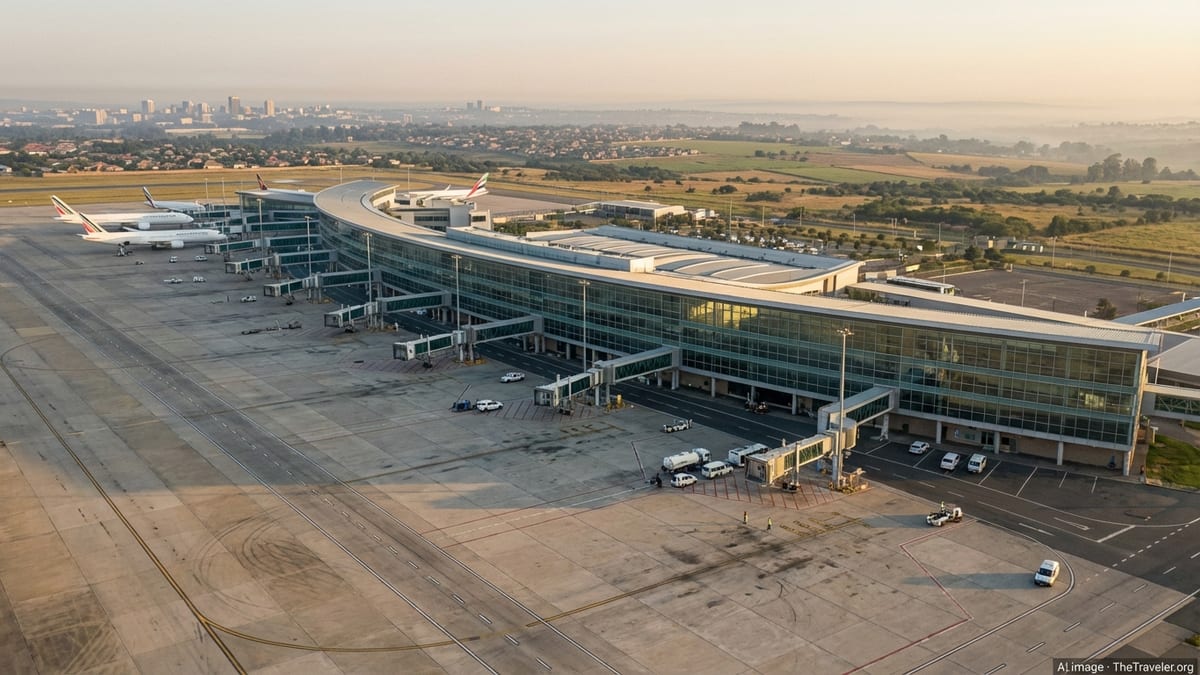
Go-slow at JKIA ripples across Kenya’s aviation network
Flight schedules at Jomo Kenyatta International Airport (JKIA) in Nairobi were heavily disrupted on Sunday, August 30, and Monday, August 31, as a go-slow by airport workers stretched into a second day. Publicly available reports describe long lines at check-in counters, crowded departure halls and passengers sleeping on terminal floors while waiting for updates on delayed or cancelled flights.
Coverage based on airport and union statements indicates that the action, led by members of the Kenya Aviation Workers Union (KAWU), affected not only JKIA but also other key facilities including Moi International Airport in Mombasa, Eldoret International Airport and Kisumu International Airport. Airlines were forced to adjust schedules, reroute aircraft or cancel services as staffing levels in critical functions such as air traffic control and ground handling were reduced.
International services were among those hit. Regional carriers reported cancellations and diversions, while media monitoring shows that Kenya Airways and low-cost affiliate Jambojet both warned customers to expect significant delays. At least one neighboring flag carrier reported cancelling flights into Nairobi due to what it described as air traffic control challenges at JKIA.
By Tuesday, September 1, KAWU announced a return-to-work agreement with the government and key aviation agencies, but operators and local media in Nairobi noted that residual disruptions continued as airlines worked through backlogs of stranded travelers and repositioned aircraft.
Union grievances center on pay, conditions and stalled bargaining
According to published coverage of the dispute, KAWU’s industrial action stemmed from a mix of long-running grievances. These include the inability to conclude a collective bargaining agreement with the Kenya Civil Aviation Authority (KCAA), concerns over staff welfare and working conditions, and frustration over what the union describes as a lack of cooperation from the Kenya Airports Authority (KAA) and Kenya Airways subsidiary Jambojet.
Reports summarizing union positions state that workers have sought salary adjustments in line with guidance from Kenya’s Salaries and Remuneration Commission, as well as formal recognition arrangements with certain aviation employers. The latest strike notice, issued in July, followed earlier episodes of industrial action in 2024 and early 2026 that similarly targeted what union leaders describe as unresolved pay and staffing issues at key airports.
Industry observers note that the stakes are high for both sides. JKIA handles millions of passengers a year and functions as a primary regional hub for East and Central Africa, feeding traffic to Europe, the Middle East and other African destinations. Any prolonged disruption can have financial implications for airlines, airport operators and tourism businesses that depend on reliable connectivity.
At the same time, analysts point out that aviation workers in Kenya operate in a tightly regulated environment where safety, security and service standards are closely scrutinized. Disagreements over staffing levels, overtime and workload distribution can quickly escalate into industrial disputes when employees feel that negotiations are not progressing.
Two days of delays leave passengers stranded and itineraries in tatters
Video and photo coverage from JKIA over the past 48 hours shows long queues snaking through departure areas and passengers sitting on luggage trolleys and terminal floors as they waited for information on their flights. Some travelers reported remaining at the airport overnight, uncertain whether rebooked services would depart as planned once limited operations resumed.
Newsrooms tracking the disruption reported that several flights were cancelled outright, while others departed many hours behind schedule. This created a knock-on effect for connecting passengers using Nairobi as a transfer point to destinations such as Europe, North America, southern Africa and island resorts in the Indian Ocean. Missed connections left many travelers needing hotel stays, new tickets or alternative routings at short notice.
Kenya Airports Authority used public channels to advise passengers to confirm flight status directly with their airlines before heading to the airport, reflecting the rapidly changing situation at check-in and departure gates. Travel trade groups and tour operators urged clients to remain flexible, monitor airline notifications and expect longer processing times as staff worked through backlogs.
Travel forums and social media posts from affected passengers describe a mix of frustration and confusion, with some visitors expressing concern about losing prepaid safari bookings or onward tours. The scale of the disruption highlighted how dependent the region’s tourism and business sectors are on predictable operations at JKIA and other Kenyan airports.
Return-to-work deal aims to stabilize operations, but recovery takes time
On Tuesday, September 1, publicly available statements from KAWU and government-linked agencies indicated that the union had signed a return-to-work agreement with the Ministry of Transport, KCAA, KAA and Jambojet. The union instructed members to resume normal duties, while parties committed to structured negotiations on the contested issues within defined timelines.
Details shared through local media indicate that the agreement sets out a framework to fast-track collective bargaining talks between KAWU and KCAA and to address salary and benefits questions in line with formal remuneration guidelines. The accord also references the union’s push for recognition arrangements with certain employers, a matter expected to move through Kenya’s labor dispute-resolution mechanisms.
Even with the industrial action officially called off, aviation analysts caution that a full return to normal operations may take several days. Airlines must reassign crews, reposition aircraft and accommodate passengers who missed flights or experienced cancellations. Travel agents in East Africa report that some itineraries are being rebuilt entirely, especially for long-haul journeys that relied on tight connections through Nairobi.
For travelers with upcoming trips, publicly accessible travel advisories recommend keeping close watch on airline emails and apps, allowing extra time at the airport and remaining flexible on routing where possible. As JKIA and other affected airports work to clear passenger backlogs, the situation is expected to improve gradually, provided that follow-up negotiations between the union and aviation authorities proceed without fresh interruptions.
Regional travel and tourism weigh lessons from repeated disruptions
The latest strike has revived debate within Kenya’s aviation and tourism sectors about the resilience of the country’s air transport infrastructure. JKIA’s role as a regional hub means that localized labor disputes can quickly spill over into international networks, affecting travelers transiting between third countries as well as those visiting Kenya itself.
Industry commentary in local and regional outlets links this week’s events to earlier episodes of industrial action that have affected Kenyan airports in recent years, including a strike in February 2026 that also led to a short-term shutdown of services. Taken together, these incidents have prompted calls from business groups and travel associations for more robust contingency planning and earlier mediation when talks between unions and aviation agencies show signs of stalling.
Travel specialists note that many visitors to Kenya plan trips months in advance around peak seasons for safaris and beach holidays. When airport disruptions coincide with these periods, the impact can extend beyond immediate flight delays to cancellations of tours, lost revenue for lodges and hotels, and reputational damage that may influence future booking decisions.
For now, tourism stakeholders across East Africa are closely watching how quickly operations at JKIA and other Kenyan airports normalize. The speed with which the current backlog clears, and the progress of the promised negotiations between KAWU and aviation authorities, are likely to shape traveler confidence heading into the final quarter of 2026.
https://www.straitstimes.com/world/kenya-airport-staff-strike-delays-thousands-of-passengers
https://www.myjoyonline.com/kenya-airport-staff-strike-delays-thousands-of-passengers-2/
https://www.kbc.co.ke/flight-disruptions-persist-at-jkia-as-kawu-calls-off-strike/