


More news on this day
Kenya Airways has issued an updated customer advisory after prolonged disruption at Nairobi’s Jomo Kenyatta International Airport (JKIA), where industrial action affecting air traffic control services continues to trigger lengthy delays, cancellations and a growing backlog of flights.
Get the latest news straight to your inbox!
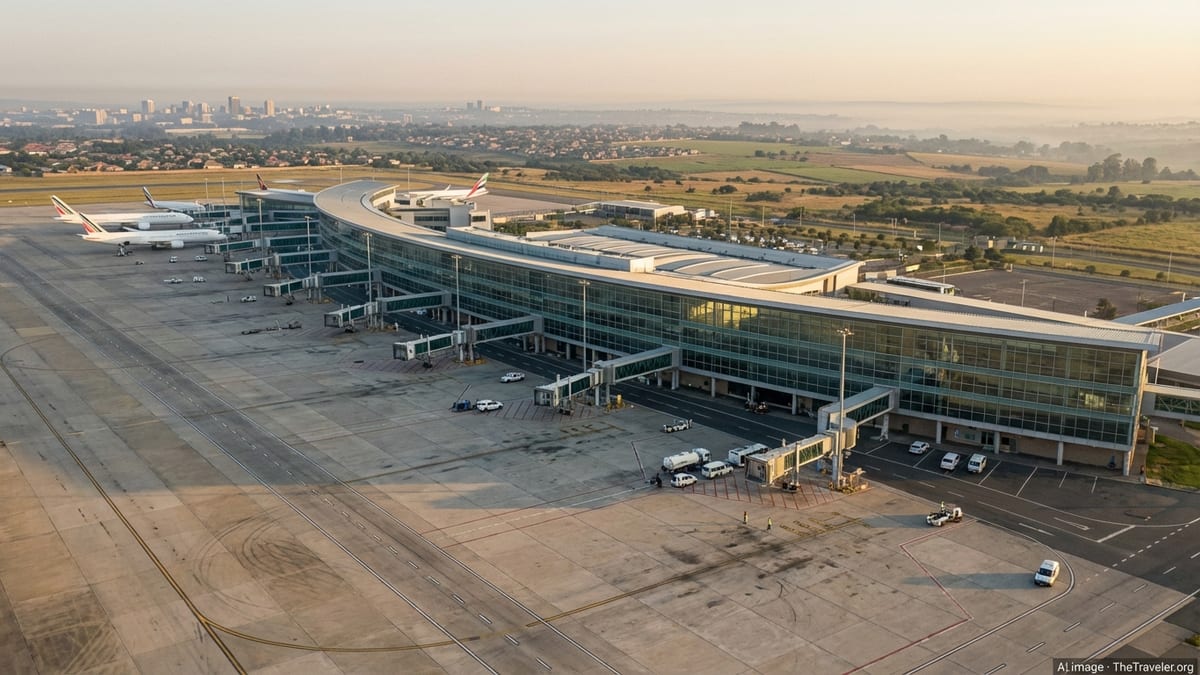
Industrial action at JKIA fuels severe disruption
Publicly available information shows that operations at JKIA have been heavily affected since August 30 by industrial action involving aviation workers linked to air traffic control services. Reports indicate that the action has slowed the rate at which aircraft can be safely managed for take off and landing, creating knock-on disruption across the airport’s domestic, regional and long haul network.
Coverage by local outlets describes scenes of crowded terminals and extended waiting times as airlines, including national carrier Kenya Airways, adjust their schedules to cope with restricted capacity. Some passengers have reported being stranded for much of the day as departures are repeatedly pushed back or cancelled while aircraft and crews fall out of position around the network.
Advisories from the Kenya Airports Authority and independent airport information sites emphasize that safety remains the priority, with traffic flows reduced to match available staffing and operational capacity. However, the slower throughput has sharply curtailed the number of flights that can operate on time, particularly during the traditionally busy evening and overnight waves at JKIA.
The disruption comes at a time when JKIA is serving as a critical regional hub for connections across East, Central and Southern Africa, magnifying the impact of each delayed or cancelled sector for travelers who rely on tight onward links.
Kenya Airways updates customers as delays stretch beyond six hours
In its latest published customer update, Kenya Airways confirms that flights into and out of JKIA are experiencing extensive delays as a direct result of the constraints affecting air traffic control services. The carrier notes that initial delays of around two to three hours on many departures have escalated on some routes to more than six hours as the disruption continues and unaccompanied schedule changes accumulate.
Information posted on the airline’s travel alerts page and in a detailed operating flights update shows multiple services retimed, with selected frequencies either consolidated or cancelled to create space in the schedule and reposition aircraft. According to this published guidance, the airline is prioritizing the operation of core regional and long haul services while adjusting departure times to match available take off and landing slots at JKIA.
Kenya Airways indicates that it is proactively reaching out to affected customers using contact details provided at the time of booking, including email, SMS and app notifications, to advise of new departure times or alternative arrangements where possible. Travelers are also directed to monitor the status of their flights through the airline’s website and mobile channels, where a dedicated disruption page lists current operating information.
Reports from Kenyan media highlight that the airline has activated contingency plans that include reprotecting passengers on later services, offering rebooking options where capacity allows, and managing duty times for crew who have already been held on the ground for extended periods because of slot restrictions.
Advice for passengers traveling through Nairobi hub
According to published coverage, Kenya Airways and airport authorities are strongly urging passengers not to travel to JKIA until their flight status has been confirmed. Travelers are being advised to check their departure and arrival information frequently in the hours before leaving for the airport, as schedules remain fluid and further changes are possible at short notice while industrial action persists.
Independent airport guidance sites reiterate that the most current information on specific flights is held by airlines and displayed on live departure and arrival boards, and that passengers should allow extra time for check in, security screening and possible rebooking queues. Those with tight international connections, onward regional sectors or separate tickets may need to adjust or rebuild itineraries if significant delays are expected.
Travel industry advisories circulating online suggest that passengers consider carrying essential items, medications and valuables in hand luggage in case checked bags are delayed by missed connections. Some guidance also points out that those whose journeys are heavily disrupted should retain documentation such as boarding passes, booking confirmations and delay notifications, which may later support any claims with airlines, travel insurers or card providers.
For travelers yet to depart, travel planners emphasize the importance of flexibility around dates and times while the situation at JKIA remains unsettled. Passengers booking new trips that rely on close connections in Nairobi are being encouraged to consider longer layovers or, where practical, routing options less exposed to the current disruption.
Operational backlog and outlook for the coming days
Kenya Airways’ latest operating flights update indicates that the airline is working through a significant backlog built up over several days of constrained operations. Even where industrial action begins to ease, reports suggest that it may take time for aircraft and crew rotations to return to normal patterns, particularly on long haul routes that require complex scheduling and rest periods.
Local news coverage and airport-focused reporting underline that the scale of the disruption has affected not just departing traffic from Nairobi but also inbound flights, as late arrivals knock on to subsequent legs and reduce the number of aircraft available at the right place and time. This has led airlines to make tactical decisions to cancel or combine some services in order to protect others and gradually stabilize the overall program.
While there is no confirmed timeline in public statements for a complete return to normal operations at JKIA, the tone of recent advisories suggests that airlines and aviation stakeholders are treating the disruption as an evolving situation. Further updates from Kenya Airways and official aviation bodies are expected as talks around the industrial dispute progress and the operational impact becomes clearer.
Until then, travelers planning to fly into, out of or through Nairobi in the coming days face an environment of continued uncertainty. The most widely shared recommendation from publicly available sources is to remain closely engaged with airlines, monitor travel alerts and prepare for potential last minute changes while JKIA operates under constrained conditions.
Kenya Airways customer update on JKIA delays