


More news on this day
Kenya Airways has reinstated daily flights between Nairobi and Dubai from 14 May 2026, restoring a key passenger and cargo corridor that had been suspended for more than two months following regional security disruptions in the Middle East.
Get the latest news straight to your inbox!
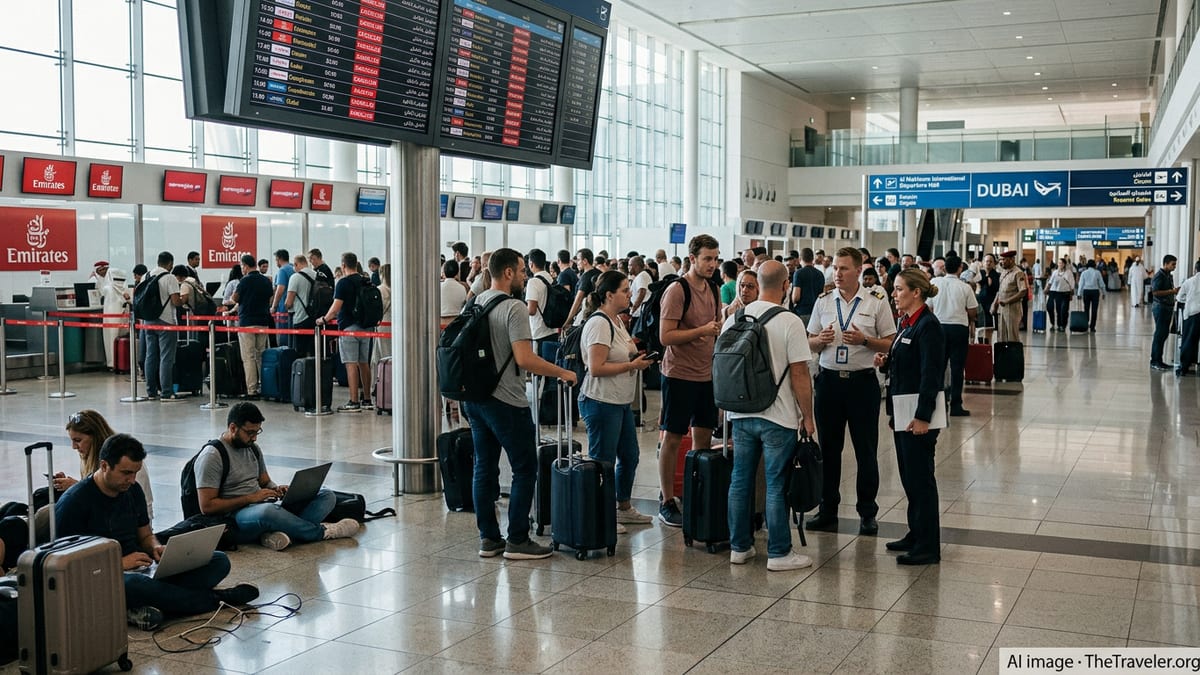
What the Resumed Nairobi–Dubai Schedule Looks Like
Publicly available flight information shows that Kenya Airways is operating a daily evening departure from Nairobi’s Jomo Kenyatta International Airport to Dubai International Airport, mirroring the pattern that existed before the recent suspension. Schedule data indicates that flight KQ310 typically leaves Nairobi in the early evening and arrives in Dubai just after midnight, allowing for onward connections on other carriers serving the Gulf hub.
On the return leg, Kenya Airways operates flight KQ311 from Dubai to Nairobi on a daily basis, giving travelers a consistent option in both directions. The restoration of daily services means that, at minimum, one round trip per day is now available, with the airline indicating through public notices that additional frequencies may be introduced in response to demand and operational conditions.
Ticketing displays on the airline’s booking platform show Nairobi–Dubai round trip itineraries available across coming months, with economy-class fares varying by travel date and advance purchase window. As with most international routes, passengers booking during peak holiday periods or at short notice are likely to see higher prices than those purchasing tickets several weeks in advance.
The resumed service is operated using Kenya Airways’ wide body and narrow body fleet on different days, according to fleet and schedule databases. Travelers can expect standard full-service inclusions such as checked baggage allowances, in-flight meals and entertainment, although specific aircraft types, seat layouts and onboard amenities may vary by date.
Background: Why the Route Was Suspended
The Nairobi–Dubai route had been suspended for more than two months prior to the latest restart, after heightened regional tensions in early March led to temporary airspace restrictions and security concerns affecting parts of the Gulf and surrounding region. According to published coverage, Kenya Airways initially halted certain scheduled services and later paused special repatriation flights that had been planned to assist travelers stranded in Dubai.
During the suspension, Kenya–United Arab Emirates travel remained possible on other airlines, but options were more limited than usual. Carriers such as Emirates and flydubai continued to provide varying levels of connectivity between Dubai and Nairobi, though schedules and seat availability fluctuated as operators adjusted to evolving conditions.
The resumption of Kenya Airways’ own services therefore marks a return to a more typical competitive environment on the corridor, where multiple airlines share traffic on one of East Africa’s busiest international routes. Industry commentary has highlighted the importance of the Dubai link not only for point to point travel but also for onward journeys to Asia, Europe and North America via the Gulf.
Kenya Airways has framed the decision to resume flights as part of a broader network recovery strategy, which in recent seasons has included increased frequencies on select long haul routes and the launch of new international destinations. The Nairobi–Dubai pairing remains among the airline’s most commercially significant short haul international sectors, supporting both tourism and business flows.
What Travelers Need to Know Before Booking
With daily frequencies back in place, passengers planning trips between Nairobi and Dubai have more flexibility to choose departure days and connection windows. However, recent disruptions underline the importance of checking flight status frequently and opting in to airline notifications for any last minute changes to departure or arrival times.
Travelers should review visa requirements carefully before departure. Kenyan citizens visiting the United Arab Emirates typically require a visa or approved travel authorization, while many other nationalities can access visa on arrival or short stay arrangements. Requirements can change with limited notice, so passengers are advised to verify entry conditions with official government or consular resources close to their travel date.
Health and safety protocols remain a consideration, even as most pandemic era restrictions have been relaxed. Passengers may still encounter random health screenings, documentation checks or airline specific requirements related to vaccinations or travel histories. Checking current guidance from relevant public health authorities and airports can help avoid delays at check in or immigration.
For those connecting beyond Dubai, it is important to factor minimum connection times into any self booked itineraries that combine Kenya Airways with other carriers. While many tickets sold through the airline or travel agencies are issued on through itineraries that protect connections, separate tickets can expose travelers to missed flight risks if delays occur on the inbound segment.
Impact on Fares, Cargo and Regional Connectivity
The return of daily Kenya Airways flights is expected to have implications for fares and capacity on the Nairobi–Dubai route. When one competitor withdraws from a market, even temporarily, prices can rise due to reduced seat supply. The reentry of the Kenyan carrier restores some of that capacity, which may relieve upward pressure on fares, particularly in economy class.
For cargo operators and shippers, the route’s reopening is equally significant. Nairobi is a major hub for horticultural exports and other time sensitive goods, and Dubai functions as an important transshipment point for freight bound for the Middle East, Asia and Europe. The belly cargo capacity of passenger aircraft on the Kenya Airways service adds to the lift offered by freighter and other passenger operators on the corridor.
Regional connectivity is also affected. Kenya Airways uses Nairobi as a hub for flights from across East, Central and Southern Africa. The restored Dubai link once again offers one stop access for passengers originating in secondary African cities, who can connect in Nairobi and proceed to the Gulf on a single ticket. Conversely, travelers from Asia and the Middle East gain smoother connections through Dubai to Kenya Airways’ African network.
Industry observers suggest that the Nairobi–Dubai route could see further growth as security conditions stabilize and regional economies continue to recover. Plans by other carriers to increase flights between Dubai and Nairobi in 2026 point to sustained demand for both business and leisure travel across the corridor.
How the Route Fits into Kenya Airways’ Wider Network Plans
The resumption of daily Nairobi–Dubai flights aligns with Kenya Airways’ broader efforts to consolidate its position as a leading African carrier while navigating financial and operational headwinds. In recent seasons, publicly accessible company statements have outlined a strategy focused on strengthening key trunk routes, improving aircraft utilization and selectively adding new destinations.
Dubai occupies a central place in that strategy because of its role as a global connecting hub. By maintaining a dependable daily presence on the route, Kenya Airways can offer schedule options that integrate with its long haul services to Europe and North America, as well as with shorter regional sectors within Africa. The result is a network in which Nairobi acts as a bridge between African cities and international gateways such as Dubai.
Analysts note that consistent performance on high demand routes like Nairobi–Dubai is important for the airline’s efforts to improve its financial footing. High load factors, strong cargo yields and efficient operations on such sectors can help offset weaker performance on thinner or more seasonal routes elsewhere in the network.
For travelers, the latest changes mean that Kenya Airways remains a competitive option on one of East Africa’s most heavily traveled international corridors. Whether the airline expands to additional daily flights on the route will likely depend on how quickly demand grows, how regional security risks evolve and how other carriers adjust their own schedules in response.