


More news on this day
A Southwest Airlines first officer who reported her captain for allegedly engaging in an obscene act in the cockpit is now facing discipline herself, according to recent court filings and published reports, intensifying scrutiny of how airlines handle misconduct complaints and protect crew members who come forward.
Get the latest news straight to your inbox!
Allegations of Lewd Cockpit Behavior on Scheduled Flight
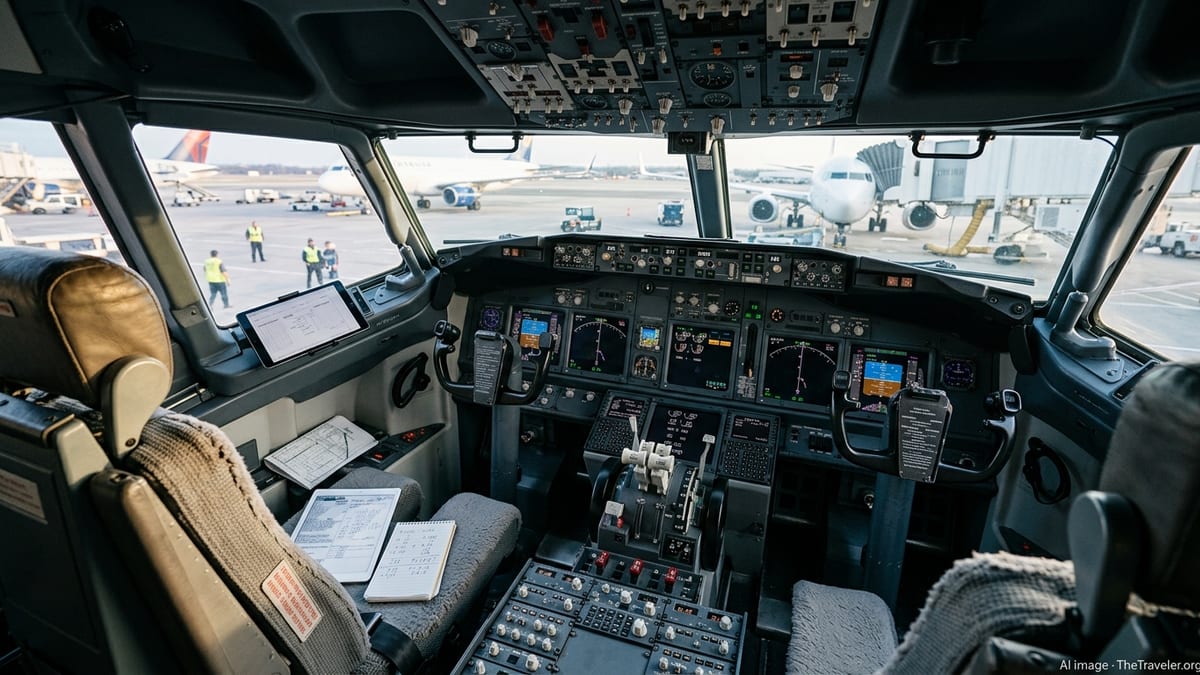
Publicly available court records describe an incident during an August 2020 Southwest Airlines flight between Philadelphia and Orlando in which the captain, later identified in federal documents as Michael Haak, allegedly disrobed and engaged in an obscene act while seated at the controls. The first officer, a woman with years of experience at the carrier, was in the cockpit at the time and reported feeling trapped and unable to leave her post while the aircraft was in the air.
According to those filings, the captain exposed himself and viewed explicit material on a personal device for an extended period. The conduct reportedly occurred at cruise altitude, with passengers and cabin crew unaware of what was happening behind the locked cockpit door. The first officer later documented the incident through official reporting channels after the flight.
The episode did not result in an immediate safety incident, but it raised serious questions about cockpit professionalism and the standards to which flight crews are held while operating commercial aircraft. Federal prosecutors ultimately pursued a criminal case, and the former captain entered a plea acknowledging an indecent or obscene act while serving as pilot in command.
Whistleblower at Center of New Disciplinary Fight
Recent legal filings in a related civil dispute indicate that the first officer who initially reported the captain’s behavior is now facing disciplinary action herself. The documents, summarized in multiple news reports, state that Southwest Airlines has questioned aspects of her conduct and decision making, prompting concerns among pilot advocates that the company may be sending a discouraging signal to potential whistleblowers.
Attorneys involved in the broader litigation characterize the first officer as a whistleblower who followed established procedures by alerting airline management and regulators to serious misconduct in the cockpit. They argue in court papers that any subsequent discipline directed at her could be perceived as retaliatory, regardless of the stated rationale, and may deter future reporting of safety or harassment issues.
Southwest Airlines has previously said in public statements that it expects the highest standards of professionalism from flight crews and emphasizes that inappropriate behavior will not be tolerated. At the same time, the unfolding dispute highlights the tension between internal employment processes and the protections afforded to employees who come forward with allegations of misconduct.
Legal Cases Spotlight Culture and Accountability
The case involving the former captain led to a federal sentencing in which he received probation and financial penalties rather than prison time, a result that drew extensive national coverage and debate over how the justice system treats misconduct in highly safety sensitive roles. For many observers, the penalty underscored the difficulty of balancing punitive measures with an assessment of risk to passengers when no physical harm occurred.
The emerging disciplinary action against the first officer now adds another layer to that debate, focusing attention on corporate accountability and internal airline culture. Legal filings and union commentary in other recent disputes involving Southwest pilots have described what they characterize as a climate of heightened scrutiny for certain crew members who raise concerns or engage in protected activity.
Industry analysts note that airlines operate under overlapping frameworks of federal regulation, labor contracts and internal policies. When alleged misconduct and whistleblower claims converge, outcomes are often determined in courtrooms and arbitration rooms rather than in public view. As a result, travelers and even frontline employees may learn only fragments of what drives discipline decisions inside the cockpit community.
Implications for Passenger Confidence and Industry Standards
Aviation safety experts often stress that strong reporting cultures are essential to the modern safety system. Pilots, flight attendants and mechanics are expected to report errors, inappropriate behavior and near misses so patterns can be identified before they lead to serious incidents. When those who report serious concerns later face credibility challenges or discipline, it can create what researchers describe as a chilling effect on future disclosures.
Passenger confidence in air travel is closely tied to the perception that cockpit crews adhere to rigorous professional norms and that airlines act swiftly and transparently when those norms are breached. While the incident involving the Southwest captain did not lead to an inflight emergency, the nature of the behavior and the ongoing conflict surrounding the first officer’s treatment have continued to capture public attention years later.
The case also comes at a time when carriers across the United States are working to recruit and retain thousands of new pilots to meet post pandemic demand. Advocates for stricter accountability argue that how airlines handle high profile misconduct cases sends a powerful message to prospective aviators about what is tolerated and how those who speak up will be treated.
Calls for Stronger Protections for Airline Whistleblowers
The situation has prompted renewed calls from labor groups and workplace safety advocates for more robust whistleblower protections within commercial aviation. Existing federal statutes already prohibit retaliation against workers who report certain safety violations, but pilot representatives contend that the boundaries of those protections are often tested in complex employment disputes.
Some legal commentators say that high visibility cases involving cockpit behavior can serve as catalysts for policy changes, such as clearer reporting pathways, anonymous hotlines, and better training for managers who receive and investigate complaints. They argue that standardized, transparent processes can help separate legitimate performance concerns from actions that might be perceived as punitive responses to whistleblowing.
For now, the first officer at the center of the Southwest dispute remains both a key witness to earlier misconduct and the subject of her own internal scrutiny. The ultimate outcome of her case is likely to be closely watched by pilots, regulators and travelers alike, as it may shape how future crew members weigh the risks and responsibilities of speaking up about what happens behind the cockpit door.