


More news on this day
Malaysia Aviation Group has reported that all Malaysia Airlines pilots have tested negative in a fresh round of mandatory drug screening, clearing the way for the company to widen its checks to cabin crew after a recent narcotics case involving a Malaysian pilot in Indonesia sparked public concern over aviation safety and staff vetting.
Get the latest news straight to your inbox!
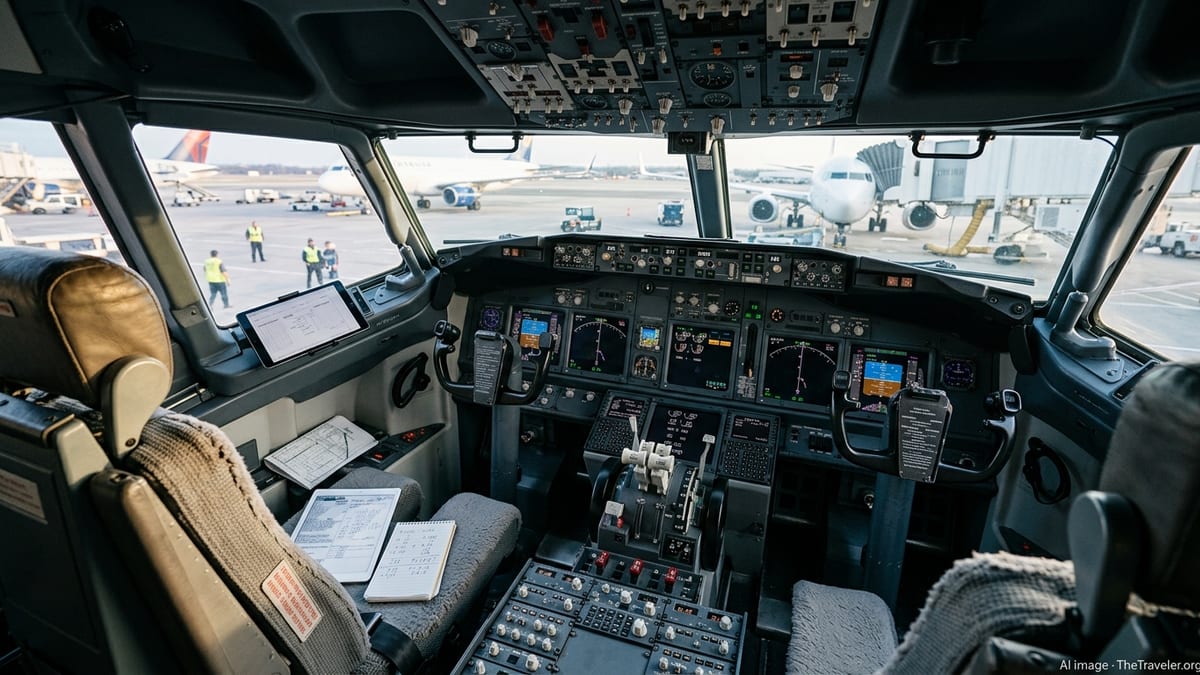
Pilot cohort cleared in latest round of testing
According to recent public statements reported in regional media, Malaysia Aviation Group (MAG), the parent company of Malaysia Airlines, has completed targeted drug testing across its pilot workforce, with all tested pilots returning negative results. The exercise was launched in the wake of an incident in Indonesia involving a Malaysian pilot allegedly caught with a large quantity of illegal drugs.
Published coverage indicates that the carrier moved quickly to conduct screening of flight crew operating under its banner, seeking to reassure passengers, regulators and industry partners that cockpit safety standards remain intact. The negative results have been presented as confirmation that, within Malaysia Airlines, there is currently no evidence of systemic drug use among pilots.
The latest testing follows long standing regulatory rules in Malaysia and internationally that require pilots to undergo periodic medical examinations and be subject to random screening for drugs and alcohol. Past official accident and incident reports for Malaysia Airlines flights have consistently recorded negative results for post occurrence drug panels and alcohol checks on flight crew, supporting the view that drug misuse among pilots is rare and treated as a serious safety violation.
Industry observers note that the fresh round of testing fits within a broader pattern in commercial aviation, where operators often respond to isolated high profile cases by revalidating compliance across their entire pilot group, even when earlier data suggests that the vast majority of crew adhere to strict safety and conduct standards.
Screening focus shifts to cabin crew
With the latest pilot tests completed, MAG has indicated that its internal focus is now shifting to cabin crew screening. Reports in Malaysian media describe this as the next phase of the company’s response, extending the same level of scrutiny from the flight deck to the passenger cabin.
Cabin crew in Malaysia and other major aviation markets are already subject to background checks, pre employment drug tests and random screening, but airlines may adjust the intensity or frequency of such programmes in response to emerging risks. MAG’s decision to highlight a move toward more comprehensive checks for cabin crew signals that the group is looking at safety culture across all customer facing operational roles, not just pilots.
Available information suggests that the company’s internal review covers both testing protocols and the way crews are processed at airports, including how staff access secure areas and how their baggage is screened at departure points. This mirrors global conversations about whether aircrew should be treated differently from passengers at security and customs, particularly when isolated cases raise questions about insider risk.
For travelers, any expansion of cabin crew screening is likely to be largely invisible, taking place backstage through medical checks, compliance audits and more stringent enforcement of existing rules, rather than through noticeable changes to onboard service.
Background: Indonesian arrest triggers scrutiny
The push for expanded testing follows an incident in which a Malaysian pilot was arrested at an airport in Indonesia after customs officers reportedly discovered tens of thousands of ecstasy pills in his baggage along with evidence of attempted test evasion. Regional coverage notes that the pilot had just operated a flight from Kuala Lumpur to Jakarta before being detained.
The case has drawn significant attention across Southeast Asia and provoked extensive discussion on social media about how airline crews are screened, how often they are tested and whether trusted staff receive lighter checks at airport security and customs. Commenters have contrasted the strict controls faced by ordinary passengers with what some perceive as historically more flexible treatment of aircrew moving through fast track channels.
In response, Malaysian agencies and MAG have faced questions about how the individual was able to clear domestic controls before being intercepted abroad. Publicly available incident documentation from past events shows that, in standard practice, those involved in aviation occurrences undergo post event alcohol and drug testing, but the Indonesian case has shifted attention toward what happens during routine operations rather than after an incident.
Aviation safety analysts point out that the Indonesian arrest, while serious, appears to be an isolated case rather than evidence of a broader pattern among Malaysian flight crews. Nonetheless, it has become a catalyst for regulators and airlines in the region to revisit whether current oversight and staff vetting are sufficient in a high trust environment.
Existing rules and evolving safety culture
Malaysia’s aviation framework already requires flight crew to be medically fit, adequately rested and free from prohibited substances while on duty. Official safety investigation reports from past Malaysian incidents emphasize that pilots involved were qualified, properly licensed and regularly examined, and that their drug and alcohol tests were within regulatory limits, underscoring how seriously these standards are treated in the regulatory system.
In practice, airlines combine regulatory requirements with their own internal policies, which can include random testing, strict disciplinary action for positive results and programmes designed to encourage self reporting and rehabilitation in some jurisdictions. For many carriers, a confirmed positive drug test for a safety sensitive role such as a pilot or engineer can end a career immediately, which is sometimes cited as a strong deterrent against substance misuse.
The latest measures at MAG form part of a wider trend in global aviation, where safety culture extends beyond technical training and maintenance to encompass lifestyle, health and conduct expectations placed on crew. Airlines increasingly present drug free and alcohol responsible behaviour as core professional standards linked directly to passenger confidence as well as regulatory compliance.
As public scrutiny intensifies through online discussion and media coverage, industry specialists suggest that visible actions such as expanded testing and transparent reporting can play an important role in maintaining trust. Demonstrating that screening systems work and that staff are willing to cooperate is seen as key to reinforcing the message that any misuse will be rapidly detected and addressed.
Implications for passengers and regional aviation
For travelers using Malaysia Airlines and other carriers in the region, the immediate implications of the latest testing drive are limited. Flight schedules, onboard services and ticketing practices remain unchanged, and there is no indication from public information that operational safety has been compromised.
However, MAG’s decision to signal both the clearing of pilots and the extension of screening to cabin crew may help to stabilise confidence among passengers who were unsettled by reports of the Indonesian arrest. Industry observers note that in a competitive marketplace, perceptions of safety and professionalism can influence airline choice, especially on long haul and international routes.
The developments are also being followed across Southeast Asia, where regulators and airlines face similar questions about how to balance efficient airport processing for trusted staff with robust checks against contraband smuggling and substance abuse. Some analysts expect that the Indonesian case and MAG’s subsequent response will be referenced in future policy discussions about crew vetting, cross border cooperation and the standardisation of staff screening procedures at major hubs.
As MAG moves ahead with cabin crew testing and reviews, further updates on how its programmes evolve are likely to shape regional debates about best practice in safeguarding both passengers and the reputations of national carriers in a sensitive, safety critical industry.