


More news on this day
Labor Day weekend 2026 is shaping up as another crunch point for American travelers, with road and air traffic projected to rival last year’s records and costs remaining elevated, according to recent forecasts from transportation agencies, airports and travel organizations.
Get the latest news straight to your inbox!
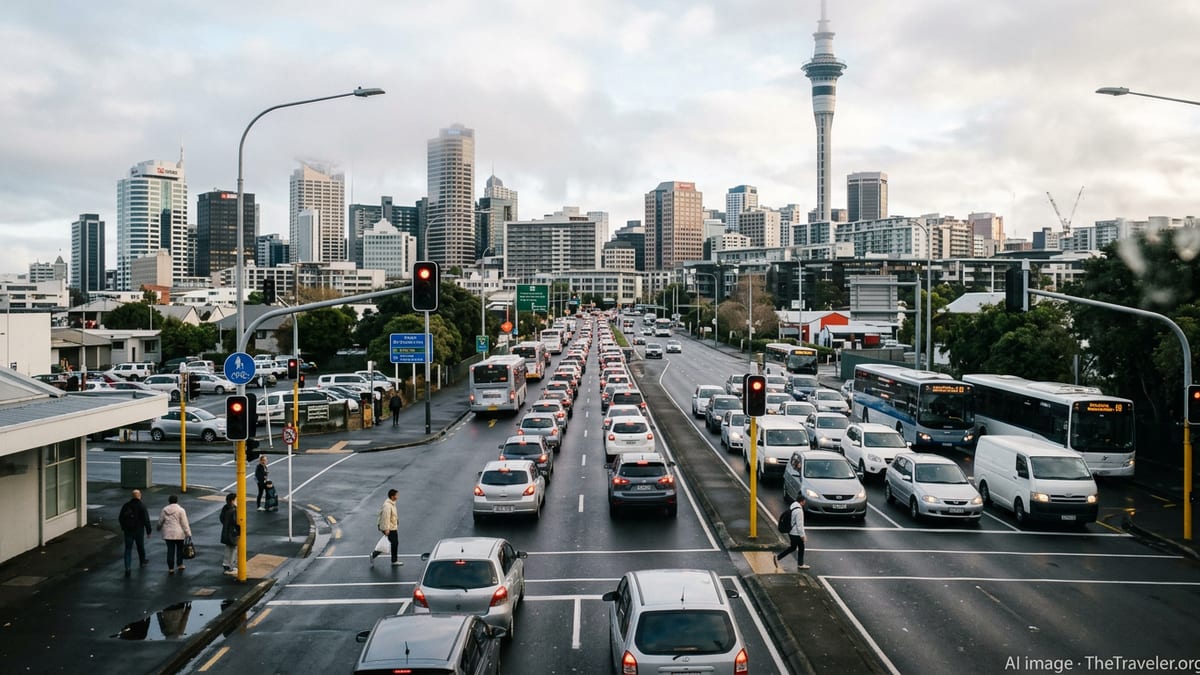
Holiday Demand Keeps Pressure on Roads and Airports
Labor Day marks the unofficial end of the U.S. summer travel season, and 2026 is expected to continue the pattern of heavy demand seen over the past two years. A new analysis from AAA of bookings between September 3 and 7 indicates that overall travel volumes are on par with, and in some regions above, 2025 levels, when the Transportation Security Administration screened more than 10.4 million people over the Labor Day period nationwide.
At major hubs, the final summer weekend is once again being treated as a mini-peak season. Denver International Airport expects more than 368,000 passengers to pass through security checkpoints from Thursday, September 3, through Monday, September 7, roughly matching last year’s tally and signaling sustained appetite for late-summer getaways.
On the roads, INRIX congestion models used in AAA’s Labor Day outlook show that traffic delays build quickly when holiday travel overlaps with weekday commutes. Reports indicate that the most severe slowdowns will concentrate into a short window from Thursday afternoon into Friday evening, rather than being spread evenly across the long weekend.
The combined effect is a compressed surge in movement at the very moment many travelers are trying to squeeze in one last trip. That pattern makes route timing and mode choice more important than ever for anyone hoping to avoid gridlock.
Know the Worst Hours Before You Leave
Forecasts from AAA and traffic analytics firm INRIX for the 2026 holiday point to clear patterns in when congestion spikes. Nationally, Thursday afternoon and early evening are expected to be among the worst times to drive, as outbound holiday traffic merges with routine rush-hour flows around major cities.
Friday is projected to bring extended delays on popular getaway corridors. In several metro areas, including parts of the Northeast and Pacific Northwest, INRIX modeling shows that peak travel times could more than double typical drive times on highways leading to coastal and mountain destinations. Local coverage in cities such as Seattle has highlighted specific stretches of interstate where travel times are already expected to balloon during the afternoon getaway window.
By contrast, Sunday is once again emerging as the relative “quiet” day on the roads for those with flexible plans. Past years’ data compiled by INRIX and summarized in national coverage indicate that mid-day Sunday travel tends to see lighter congestion, sandwiched between Friday’s outbound surge and Monday’s return traffic.
Drivers looking to dodge the worst of it can tilt their schedules accordingly: leaving before the Thursday rush, shifting departures to early Friday morning, or targeting mid-morning Sunday for longer legs of the journey. Even a two or three hour shift in departure time can significantly reduce time spent in stop-and-go traffic on major holiday weekends.
Reroute Around Known Bottlenecks
Beyond timing, location matters. INRIX’s most recent national traffic scorecard identifies recurring bottlenecks in dense urban areas, freight corridors and key approach routes to popular vacation regions. While the scorecard is not specific to Labor Day, transportation analysts note that these same pinch points tend to be the first to clog when holiday volumes spike.
State transportation departments are providing route-specific charts ahead of the 2026 holiday. In Washington state, for example, highway travel-time graphs for the Labor Day weekend show where congestion on Interstate 5 near the Canadian border is likely to build, allowing drivers to compare holiday patterns with an average weekend and consider alternate departure times or routes.
For travelers planning long interstate drives, that kind of granular information can be paired with navigation apps that incorporate live and historical traffic data. Publicly available guidance from INRIX emphasizes avoiding known choke points during forecast peak hours and considering secondary highways or earlier starts to bypass the worst backups.
In practical terms, that might mean routing around downtown cores, skirting popular beach access points at the busiest times, or planning rest stops before entering high-risk bottlenecks so that drivers can maintain steady speeds instead of repeatedly merging back into dense traffic.
Air Travelers Face Crowds and Higher Costs
Airports are bracing for another packed Labor Day weekend. TSA bulletins and airport briefings indicate that national passenger volumes for the 2026 holiday are expected to be similar to or slightly above last year’s record levels, when the agency reported screening more than 10 million travelers across the long weekend.
At Los Angeles International Airport, operators expect the holiday to cap what they describe as a summer of global growth, with new long-haul routes helping to push passenger counts higher. The airport is advising travelers to arrive early and build in extra time for curbside congestion, parking and shuttle transfers, reflecting the strain that concentrated holiday peaks place on access roads and terminal facilities.
Cost pressures add another layer of complexity. Recent AAA data show that average domestic airfares to top Labor Day destinations are running close to 20 percent higher than a year ago, while national news coverage highlights that gas prices are likely to remain above 4 dollars per gallon through the holiday period. Those trends are prompting some travelers to shorten trips or choose closer destinations, but they are not reversing the broader surge in demand.
To avoid bottlenecks in the air, travel organizations continue to recommend off-peak flight times, early morning departures, and nonstop routes when possible. Booking flights that leave before the mid-morning security rush or after the late-afternoon bank of departures can reduce time spent in lines and improve the odds of keeping connections intact during a busy weekend.
Eight Practical Strategies to Stay Ahead of the Rush
With travel volumes high and windows tight, experts are emphasizing preparation over last-minute improvisation. AAA’s recent consumer surveys show that more than half of respondents in many states still plan at least one summer vacation between Memorial Day and Labor Day, even as higher fuel prices and broader financial concerns weigh on household budgets. That combination underscores why relatively small planning steps can translate into meaningful time savings.
First, travelers are encouraged to build their itineraries around the least congested windows, avoiding Thursday evening and mid-day Friday starts. Second, those driving should identify known bottlenecks on their routes using state transportation charts and traffic-scorecard tools, then plan alternatives, such as earlier departures or less direct but less crowded highways.
Third, both drivers and flyers are being urged to monitor weather and construction updates in the days before departure. The American Automobile Association notes that severe weather and poor vehicle preparation are frequent contributors to holiday breakdowns, urging motorists to check tires, batteries and fluid levels before hitting the road.
Finally, passengers passing through the busiest airports can reduce friction by pre-booking parking, allowing additional time for curbside traffic, and using trusted traveler programs such as TSA PreCheck when available. Past TSA and industry analyses suggest that spreading arrivals across the day, even by modest margins, helps keep security lines closer to target wait times during peak holiday periods.
Together, these steps form a practical playbook for dodging the worst gridlock over Labor Day 2026. While travelers cannot control overall demand, they can choose when and how to move through the system, trading a bit of planning now for a smoother final weekend of summer.
AAA: Labor Day Travelers Face Higher Costs and Heavier Traffic
ABC News: Labor Day Traffic and Travel, Busiest Times to Drive and Fly
Denver International Airport: Busy Labor Day Weekend Travel Forecast