


More news on this day
Labor Day weekend 2026 is shaping up as one of the busiest, most expensive end-of-summer travel periods in recent memory, with national forecasts pointing to packed airports, congested highways and elevated fuel and airfare costs that could complicate last-minute getaways.
Get the latest news straight to your inbox!
Record Demand and Costs Set the Stage for a Tough Weekend
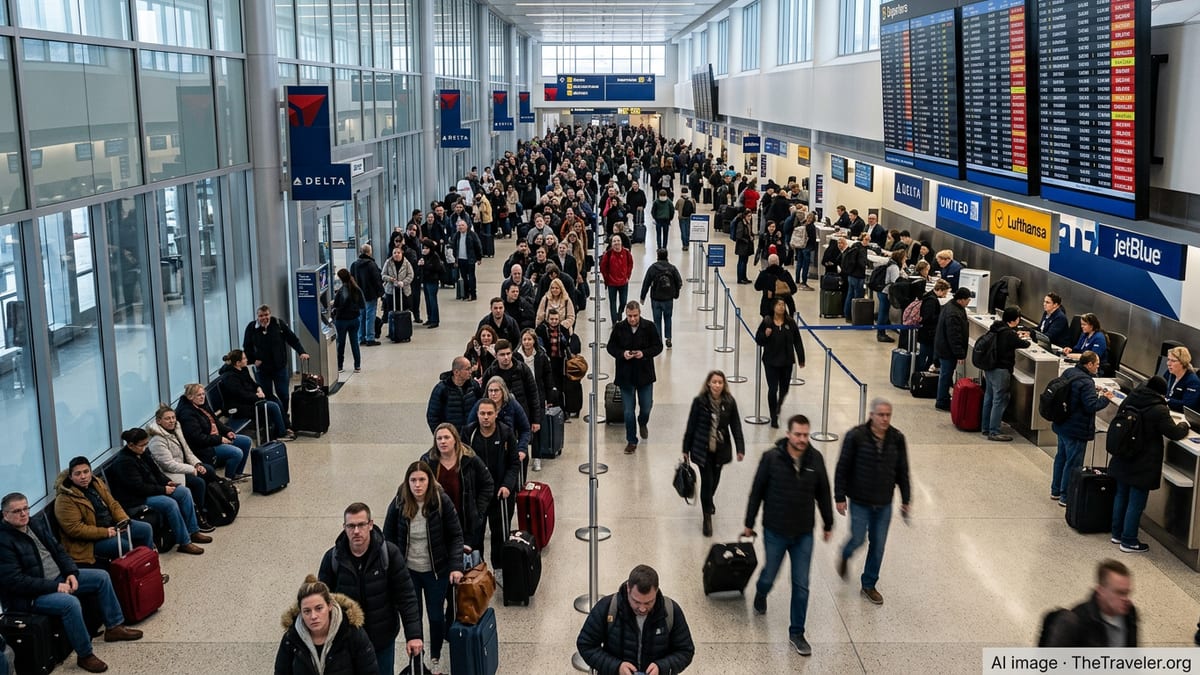
Publicly available data suggests Labor Day 2026 will cap a summer of extremely strong travel demand in the United States. The Transportation Security Administration is projecting roughly 17 million passengers over the Labor Day travel period, following a series of record-setting screening days in 2025 and early 2026. One TSA bulletin for the 2025 holiday reported 10.4 million travelers screened in just four days, underscoring how quickly volumes have climbed over pre-pandemic norms.
At the same time, costs are squeezing travelers. AAA’s latest Labor Day analysis, based on booking data for September 3 to 7, 2026, points to heavier traffic, robust demand for top destinations and higher prices across several categories. National reports indicate average gasoline prices around the holiday are sitting above 4 dollars per gallon, the highest Labor Day level on record, while AAA booking figures show domestic airfares to some popular cities running roughly 20 percent higher than last year.
The combined impact is a travel landscape where airlines and airports are operating near capacity, highway corridors are expected to be crowded during peak windows and even short regional trips may encounter bottlenecks. Travelers who rely on traditional departure times or make last-minute plans will have a harder time avoiding delays.
Against that backdrop, transportation experts and travel organizations highlight a familiar but increasingly urgent message: timing, routing and preparation will matter more than ever for anyone heading out for the long weekend.
Shift Your Flight Times to Beat TSA and Weather Delays
Federal Aviation Administration material on recent summer travel seasons shows that weather remains the leading cause of flight delays in the United States, responsible for well over half of disruptions in some years, while sheer volume accounts for a significant share of the rest. In practice, that means the riskiest combination for air travelers is flying at the busiest times of day on routes exposed to late-day storms or congestion-prone airspace.
One of the most effective strategies is to book early-morning departures on the first travel day you can manage. Morning flights tend to push off before afternoon thunderstorms develop and before a day’s worth of delays cascades across the network. FAA analyses and industry data repeatedly show that on-time performance generally deteriorates as the day progresses, especially in summer and early fall when convective weather is common.
Another tactic is to avoid tight connections at major hubs with known bottlenecks. FAA scheduling and delay-reduction notices for the New York region, for example, describe how staffing limits and runway capacity constraints at airports such as Newark can intensify delays during heavy travel periods. Building in longer layovers or favoring hubs with more spare capacity can reduce the risk of missed connections if ground delays or reroutes occur.
Travelers who have flexibility can also gain an edge by shifting their flying days. Instead of departing on the peak Thursday afternoon or Friday of Labor Day weekend and returning on the holiday Monday, some travelers are moving outbound flights to Wednesday and inbound segments to Tuesday. Booking patterns tracked by airports such as Los Angeles and Denver show that spreading trips around the holiday window helps blunt the worst of the crowding at security checkpoints.
Time Your Drive Around the Worst Highway Congestion
Road travel will be intense as well. AAA and transportation data firm INRIX, which jointly model holiday traffic, are advising drivers in multiple metro areas that Thursday evening and Friday daytime remain the worst periods to hit the road. Regional forecasts for Washington, Philadelphia, Tampa Bay and other cities point to mid to late afternoon on Friday as particularly congested as commuters and holiday travelers overlap.
To avoid sitting in creeping traffic, drivers are being encouraged to leave either very early in the morning or later in the evening, depending on local conditions. The most reliable pattern in recent INRIX and AAA guidance is that mid-morning to mid-afternoon on Friday is the costliest time to travel, sometimes more than doubling normal drive times on popular corridors to beaches and mountain destinations.
Long-distance drivers can also reduce stress by breaking up trips outside the busiest windows. Starting before dawn on Saturday, traveling partway on Thursday after work instead of all day Friday, or returning late Monday night or early Tuesday can all reduce exposure to bumper-to-bumper conditions. For shorter journeys, shifting departure even by two or three hours can mean the difference between a smooth drive and an extended slog.
Those planning to drive through or around major airport zones should factor in additional congestion. As airports experience near-record passenger flows, surrounding highways and access roads often back up at peak times, particularly near large hubs such as Los Angeles International Airport and Denver International Airport, which both expect strong Labor Day volumes.
Use Airport and Airline Tools to Stay Ahead of Disruptions
In response to successive seasons of record travel, airports and airlines have expanded digital tools and real-time alerts that can help passengers move more smoothly through busy terminals. Major hubs including LAX and Denver now publish detailed holiday outlooks with security screening forecasts, construction advisories and parking availability updates, encouraging travelers to use mobile apps and online dashboards to plan their arrival times.
Many carriers and some airports allow travelers to reserve security screening windows at select checkpoints. While availability varies by location, these systems can significantly reduce queue times when they are offered. Meanwhile, airline apps typically display gate changes, updated boarding times and options to self-rebook during disruptions, helping passengers avoid standing in long customer-service lines during irregular operations.
Government tools can also be useful. The FAA maintains a public dashboard that shows delay programs, ground stops and airport status nationwide, which can provide early warning of developing issues before travelers leave for the airport. Cross-checking that information with airline alerts and airport social media feeds can help passengers decide whether to arrive earlier, adjust ground transportation or explore alternative routings.
For those traveling with checked luggage, another strategy is to reduce reliance on tight connections between flights. Packing lighter and using carry-on baggage where feasible allows travelers to change flights more easily if disruptions occur, and it speeds up passage through airports that are already strained by high passenger volumes.
Protect Your Budget With Flexible Bookings and Mode Shifts
With gasoline and airfares both trending higher than a year ago in many markets, cost-conscious travelers are modifying plans to avoid the most expensive options. AAA booking data for 2026 shows sustained interest in domestic trips despite higher prices, but travelers are looking more closely at timing and mode. Some are opting for off-peak departure days, red-eye flights or secondary airports where fares can be lower.
Others are switching modes altogether. AAA’s broader holiday coverage for 2026 notes that cruise prices from U.S. ports are in some cases slightly cheaper than a year earlier, creating an alternative for travelers who would otherwise book higher-priced flights or long drives. Rail corridors and intercity buses can also provide competitive pricing on short- to medium-distance routes, particularly in the Northeast and parts of the Midwest.
Even for those who stick with driving, planning ahead can blunt cost increases. Filling up outside the highest-priced metro areas, using fuel-price apps to compare stations and scheduling vehicle maintenance before departure can reduce the likelihood of roadside breakdowns during a busy weekend. AAA has projected hundreds of thousands of roadside assistance calls over peak holiday periods, and many of those incidents are linked to deferred maintenance.
Finally, travelers who have not yet booked accommodations may benefit from expanding their search radius or considering less conventional options. Secondary destinations near major hot spots often see lower lodging rates and less crowding, while still offering access to beaches, trails or cultural attractions. Given the strong overall demand profile heading into Labor Day 2026, a willingness to be flexible on location and timing may be the most reliable strategy of all for avoiding record crowds and airport delays.
TSA press releases and travel data
AAA travel forecasts and holiday booking analysis
Federal Aviation Administration summer travel and delay resources