


More news on this day
Passengers at Louis Armstrong New Orleans International Airport faced mounting frustration on June 15 as a cluster of seven cancellations and 88 delays disrupted flights on Delta Air Lines, Southwest Airlines and American Airlines, snarling connections to major hubs including Houston, Chicago, Denver, Miami, Salt Lake City and Los Angeles.
Get the latest news straight to your inbox!
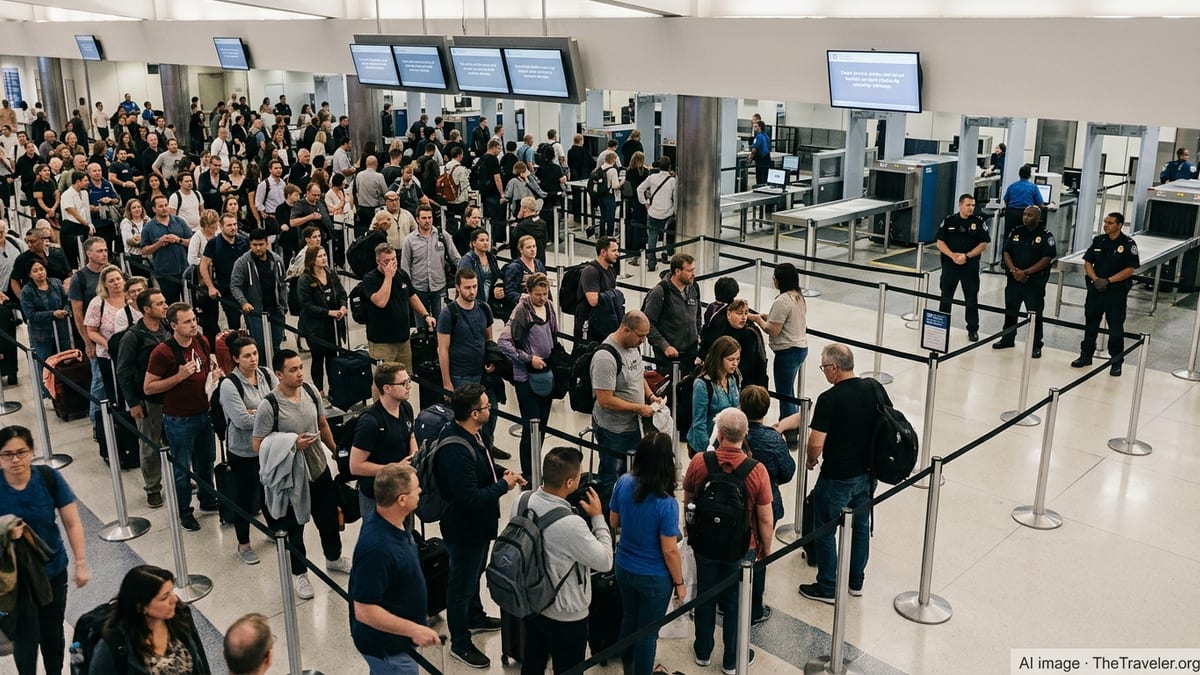
Storm Systems and Network Strain Ripple Through New Orleans
Publicly available flight-tracking data for June 15 indicate that disruption at New Orleans was closely tied to broader weather problems across the national network rather than a single local incident. Severe thunderstorms over Texas triggered ground stops at Houston’s Bush Intercontinental and Hobby airports, slowing traffic along some of the same corridors that connect with New Orleans and limiting the ability of airlines to keep aircraft and crews on schedule.
Industry coverage on Monday described hundreds of delays and cancellations nationwide, with major hubs such as Houston, Chicago and New York absorbing the brunt of the storms. As arrivals into those hubs backed up, knock-on effects were felt on departures from connecting airports, including New Orleans, where flights bound for affected cities were held, rerouted or eventually canceled.
Aviation analysts note that when large hubs slow down, secondary airports can experience disproportionate disruption because they rely heavily on a steady flow of inbound aircraft and crews. On June 15, that pattern appears to have played out at New Orleans, where a relatively modest number of outright cancellations concealed a much larger wave of delayed departures and arrivals.
With thunderstorms forecast to move slowly through parts of the central and eastern United States, passengers at New Orleans were advised via airline channels and airport information screens to expect rolling delays throughout the afternoon and evening.
Delta, Southwest and American Routes Hit Across Key Markets
The seven cancellations and 88 delays reported at New Orleans on Monday were concentrated among the airport’s largest domestic operators, led by Delta Air Lines, Southwest Airlines and American Airlines. These carriers provide much of New Orleans’ connectivity to national hubs, which meant that disruptions quickly cascaded onto some of the busiest business and leisure routes.
Southwest, the airport’s largest low cost operator on many domestic lanes, saw schedule changes on flights linking New Orleans with Houston and Denver, both of which were already affected by weather and air-traffic-management programs. Even when flights were able to depart, many left significantly behind schedule, extending travel times and causing missed onward connections for passengers.
American Airlines and Delta Air Lines, which route a substantial share of New Orleans traffic through their respective hub networks, also faced punctuality challenges. Flights that feed into Chicago, Miami and Salt Lake City were among those experiencing knock-on delays as crews and aircraft arrived late from earlier segments or were repositioned to recover schedules on other routes.
Because many New Orleans services to Los Angeles, Denver and other western destinations depend on aircraft and crews cycling through multiple cities in a single day, small timing disruptions early in the schedule translated into far larger delays by afternoon, particularly where storms, congestion or crew duty-time limits were already constraining operations.
Impact on Travelers Bound for Houston, Chicago, Denver and Beyond
The operational fallout for travelers was most visible on routes where New Orleans serves as a key link to large hub airports. Flights to Houston, Chicago, Denver and Miami function as primary stepping stones for both domestic and international itineraries, so delays on those sectors created a chain reaction of missed connections and rebookings.
Passengers heading to or through Houston faced a double challenge, with ground delays in Texas combining with disruptions in Louisiana to push departure times back and compress already tight connection windows. Some travelers connecting onward to Latin America and the West Coast were forced to re-route through alternative hubs or delay their trips to later in the day.
In Chicago and Denver, weather-related congestion and high traffic volumes have been recurring themes this month, and Monday’s disruptions added to a pattern of uneven on-time performance. For New Orleans passengers, that meant extended waits on the ground, aircraft held at gates or on taxiways, and frequent schedule updates as carriers attempted to slot flights into limited arrival and departure gaps.
Travelers bound for Miami and Salt Lake City also encountered longer-than-normal journeys as aircraft were reassigned within airline networks. In some cases flights operated but with substantial delays; in others, cancellations forced passengers onto indirect routings via other hubs, increasing total travel time by several hours.
Los Angeles and Long-Haul Connections Feel the Pressure
Los Angeles, one of New Orleans’ most important long-haul domestic links, was not spared. Although the absolute number of canceled flights on the route remained limited, delays to and from New Orleans created challenges for travelers connecting at Los Angeles to transpacific and transcontinental services operated by U.S. and international carriers.
Publicly available schedule data show that services between New Orleans and Los Angeles combine short- and medium-haul traffic, with many passengers relying on a timely westbound departure to make late-evening flights to destinations such as Hawaii and Asia. When those flights left New Orleans behind schedule on June 15, connection times in Los Angeles narrowed, prompting airlines to rebook some passengers before they even reached the West Coast.
Because Los Angeles is itself managing increased traffic and periodic weather disruptions this season, the added strain of late-arriving New Orleans flights further complicated gate assignments and turnaround times. That in turn contributed to additional minor delays as aircraft were repositioned and ground crews adjusted to shifting schedules.
For travelers whose itineraries spanned multiple time zones, the combination of delays out of New Orleans and tight onward connections sometimes meant arriving a full day later than planned, with hotel, car rental and meeting schedules needing to be rearranged at short notice.
What Passengers Can Expect in the Coming Days
Operational data and recent weather forecasts suggest that while Monday’s disruption represented a peak in irregular operations for New Orleans, residual effects may persist into the following day as airlines work to reposition aircraft and restore normal rotations. Passengers booked on Delta, Southwest or American flights from New Orleans to Houston, Chicago, Denver, Miami, Salt Lake City and Los Angeles are likely to see continued schedule adjustments.
Travel publications and consumer advocates regularly advise that during periods of widespread disruption, travelers should monitor airline apps, sign up for text or email alerts and allow extra time for connections through major hubs. That guidance is particularly relevant for New Orleans passengers relying on tight connections in weather-sensitive cities such as Houston and Chicago.
Aviation observers also point out that airlines tend to refine their operations quickly after a day of heavy disruption, trimming schedules where necessary and adding spare aircraft or crew where available. As carriers adjust, New Orleans travelers may see some improvement in on-time performance, though isolated delays are expected to continue while summer storm activity remains elevated.
For now, the experience at Louis Armstrong New Orleans International Airport on June 15 underscores how quickly weather and congestion at distant hubs can ripple through the network, grounding aircraft, stranding passengers and turning a small number of cancellations into a day of frustration for travelers across multiple time zones.