


More news on this day
LATAM Airlines Brasil has launched a new round of discounted domestic airfares, with publicly available fare data indicating one way tickets starting from R$185.65 on selected routes and dates across the country.
Get the latest news straight to your inbox!
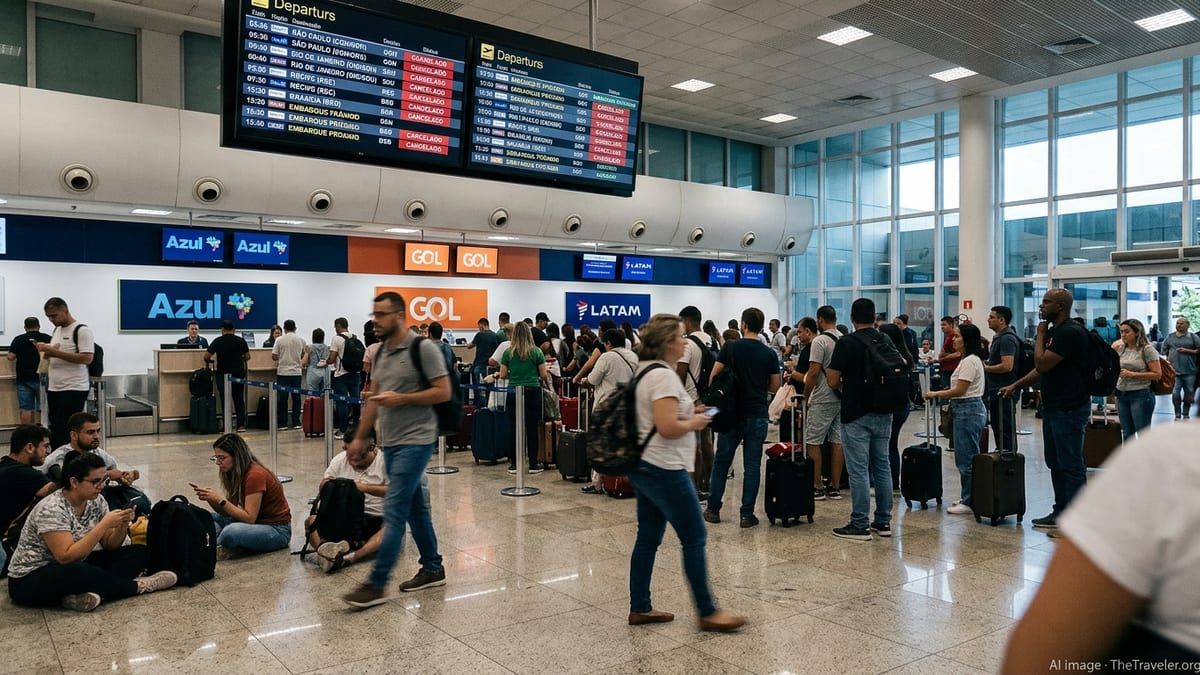
Discounted Fares Target Price-Sensitive Brazilian Travelers
The new prices position LATAM among the most aggressive carriers in Brazil’s domestic market, where rising costs and concentrated competition have kept average ticket prices elevated. The headline starting fare of R$185.65 applies to specific one way journeys and travel periods, with final prices fluctuating by route, date, and demand. Promotional fare structures in Brazil typically exclude extras such as checked baggage, advance seat selection, and onboard services, which are sold separately.
Published fare examples circulating in Brazilian media and fare search platforms show sub-R$200 tickets on shorter sectors, while longer domestic routes are being advertised at lower-than-usual price points compared with recent averages. Analysts following the Brazilian market indicate that such fare campaigns often serve to stimulate demand during softer travel weeks, particularly outside peak holiday and long-weekend periods.
The discounts arrive at a time when domestic tourism remains a key focus for Brazil, with internal leisure travel helping to offset fluctuations in international demand. Lower entry-level fares can make air travel more accessible to travelers who might otherwise opt for long-distance buses or postpone trips due to cost.
Although the R$185.65 figure is being highlighted as a threshold price, aviation observers caution that it is available only on limited seat inventories. Once those seats sell out, prices can rise significantly, especially on busy routes linking major hubs such as São Paulo, Rio de Janeiro, Brasília, and key coastal destinations.
Network Focus on High-Demand Brazilian Routes
LATAM Airlines Brasil operates an extensive domestic network centered on hubs in São Paulo, Brasília, and Fortaleza, connecting major economic centers with regional cities and leisure destinations. The current promotion appears to lean heavily on high-demand corridors, where increased competition and higher frequencies allow the airline to open more seats at entry-level prices while keeping overall yields under control.
Industry coverage indicates that routes between São Paulo and key tourist hotspots in the Northeast, as well as flights linking Brasília to major coastal cities, frequently feature among the lower fare brackets when LATAM runs systemwide sales. By discounting seats on these well-traveled routes, the carrier can attract both leisure passengers planning weekend getaways and cost-conscious travelers visiting friends and relatives.
Brazil’s domestic market is dominated by a small number of large players, with LATAM frequently cited as one of the country’s leading airlines by share of domestic flights. In this environment, large-scale fare promotions function not only as demand stimulators but also as competitive tools. Rival carriers often respond with their own discounts, creating brief windows where travelers can secure lower-than-normal prices across multiple airlines.
Observers note that LATAM’s extensive network within Brazil allows it to distribute promotional seats across a wide range of city pairs without concentrating too many discounts on a single route. This flexibility can help the airline fine-tune capacity allocation while maintaining service on thinner regional connections that benefit from periodic demand boosts.
Revenue Strategy Balances Load Factors and Ancillary Sales
Aviation analysts describe broad fare reductions like these as part of a wider revenue-management strategy, in which airlines trade lower base fares for higher load factors and increased ancillary income. In Brazil’s domestic market, many promotional economy tickets are tied to restricted fare families that exclude checked baggage and other services, encouraging passengers to purchase add ons during or after booking.
Publicly available information on LATAM’s pricing structure in Brazil shows multiple fare categories, ranging from basic hand-luggage-only options through to flexible tickets with change allowances. Promotional prices close to R$185.65 usually fall into the most restrictive tiers, where changes, refunds, and seat selection involve additional costs or are not available at all. Travelers seeking flexibility or additional comfort generally pay higher base fares.
Fuel costs, airport charges, and currency fluctuations have exerted pressure on airline margins in Brazil in recent years, prompting carriers to refine their mix of low promotional fares and higher-yield inventory. Fare campaigns like this can help fill seats that might otherwise remain unsold, especially in off-peak periods, while the airline seeks to protect revenue on last-minute and business-focused bookings.
Specialists in airline pricing note that promotional events also serve a marketing function, keeping the carrier visible to price-sensitive travelers who rely on comparison tools and social media to track deals. By advertising an attention-grabbing entry fare such as R$185.65, LATAM may draw users into its sales channels, where many ultimately select higher-priced options once specific times and add ons are factored in.
Travelers Urged to Check Conditions, Dates, and Airports
Consumer advocates and travel specialists frequently remind passengers that Brazil’s lowest advertised airfares tend to come with important conditions. Fare rules can include limitations on checked baggage, penalties for flight changes, and restrictions on refunds, all of which can materially affect the total trip cost. Promotional tickets may also be subject to blackout dates covering public holidays, major events, or school vacation periods, when demand is strongest.
Reports from local travel media indicate that the cheapest LATAM fares are often tied to departures at less popular times of day or to secondary airports within large metropolitan areas when available. Travelers focusing only on the headline price may overlook differences in ground transportation costs, connection times, or overall travel duration. Comparing schedules, connection options, and airport locations can be as important as comparing ticket prices alone.
For those with flexible travel plans, the current LATAM promotion could present an opportunity to explore additional Brazilian destinations or combine multiple cities in a single trip. However, specialists suggest that travelers monitor prices over several days and be prepared to purchase quickly once they find a suitable fare, as promotional inventories tend to be dynamic and may change without notice.
While the R$185.65 starting price underscores how low domestic airfares can go under targeted promotions, overall price behavior in Brazil’s aviation market remains influenced by macroeconomic conditions, regulatory frameworks, and competitive dynamics. Industry watchers will be following how long LATAM maintains these discounted levels and whether rival carriers introduce matching offers in the weeks ahead.