


More news on this day
Passengers at Los Angeles International Airport on June 14 faced extensive disruption as nearly 200 flights were delayed and at least 10 were cancelled across major US carriers, snarling long-haul and domestic routes to New York, Chicago, Miami, London, Tokyo and other key destinations.
Get the latest news straight to your inbox!
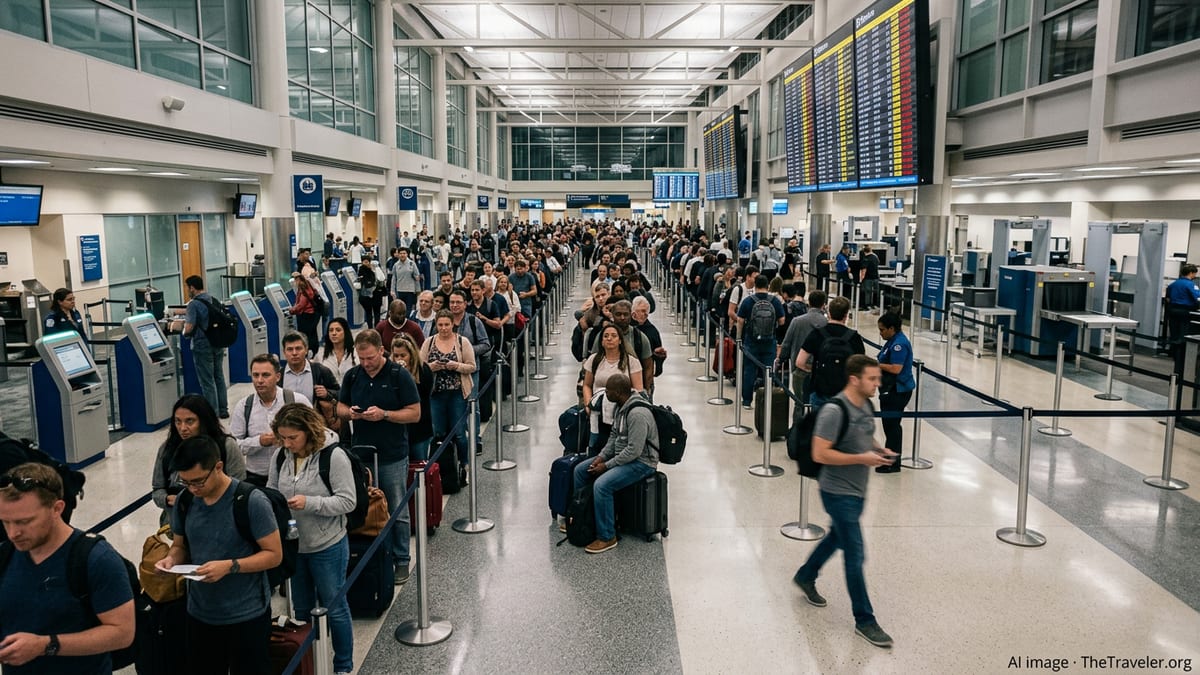
Wide ripple effects across major airlines
Publicly available flight-tracking data for Saturday shows American Airlines, Delta Air Lines, United Airlines, Southwest Airlines and Air Canada among the carriers most visibly affected by operational disruption at Los Angeles International Airport. Combined, their schedules reflected roughly 198 delayed services and around 10 cancellations linked to LAX departures or arrivals over the course of the day, impacting both domestic and transcontinental journeys.
The disruption hit some of the airport’s busiest corridors, including transcontinental links to New York and Chicago and long-haul departures to London and Tokyo. Connections to Miami and other major US hubs also experienced knock-on schedule changes as aircraft and crews fell out of position, leading to rolling delays later in the day.
Reports from aviation data platforms indicate that affected flights ranged from early-morning departures to evening long-haul services, leaving some travelers facing missed connections and overnight rebooking while others sat through extended gate holds or aircraft swaps. The precise breakdown of delay minutes varied widely by flight, with some services departing only slightly behind schedule and others waiting more than an hour.
Although disruption totals at LAX on June 14 remained below the worst nationwide meltdowns seen in recent years, the concentration of delays among several of North America’s largest carriers meant a significant number of travelers experienced itinerary changes, even when flights ultimately operated.
Key routes to New York, Chicago and Miami affected
Flights linking Los Angeles with New York area airports, particularly JFK and Newark, were among those reporting schedule changes. These routes are central transcontinental links for business and leisure passengers, and even modest disruption can quickly cascade into missed connections for onward travel to Europe and the US East Coast.
Chicago, another critical hub in multiple carrier networks, also saw knock-on effects. Aircraft arriving late into O’Hare from LAX risked compressing turnaround times and creating downstream delays on midwestern and East Coast departures. In some cases, carriers opted to consolidate or cancel specific rotations, contributing to the tally of scrapped flights associated with the day’s irregular operations.
Services on the high-demand corridor between Los Angeles and Miami likewise encountered challenges. Historical performance data for certain LAX–Miami flights operated by the big US carriers already shows a pattern of moderate delays, and Saturday’s disruption added extra strain to these schedules. Passengers connecting in South Florida to the Caribbean and Latin America were particularly exposed to missed onward departures when westbound aircraft left the West Coast late.
Travelers on these trunk routes faced lengthy lines at customer service desks, automated rebooking through airline apps and, in some cases, same-day rerouting via secondary hubs. For many, the immediate concern was not only reaching their final destination, but also ensuring checked baggage and separate onward tickets remained aligned with revised itineraries.
Long-haul links to London and Tokyo experience knock-on delays
Long-haul flights to London and Tokyo from Los Angeles are among the most time-sensitive departures in the daily schedule, feeding overnight banks at major international hubs and relying on tight ground handling windows. On June 14, public flight boards and tracking sites indicated multiple schedule adjustments on these routes, including delayed departures that pushed takeoff times well past originally published slots.
These late departures have amplified consequences for connecting passengers. Travelers bound for European or Asian destinations beyond London and Tokyo depend on precise arrival times to join onward flights; even a moderate delay departing LAX can result in missed connections and extended layovers. In some instances, passengers had to be rebooked onto next-day connections, lengthening total journey times by half a day or more.
Disruption on long-haul segments also complicates aircraft utilization patterns. Widebody jets operating overnight rotations often start or end their day at LAX, and a late return to the West Coast can tighten maintenance windows and crew duty times for subsequent flights. This operational squeeze contributes to the broader pattern of irregular operations seen when a single day’s disruption ripples through an airline’s global network.
While most long-haul services ultimately departed, the cumulative delays recorded on these marquee intercontinental routes underscored how susceptible complex global schedules remain to even localized operational issues at a major gateway like Los Angeles.
Operational strains highlight ongoing reliability challenges
The latest disruption at LAX comes against the backdrop of sustained pressure on airline reliability since travel demand rebounded sharply in 2024 and 2025. Federal transportation statistics released for late 2025 and early 2026 already show that the largest US carriers continue to record significant numbers of delayed flights, with late-arriving aircraft and national airspace constraints among the leading factors.
Industry data and prior disruption events suggest that a mix of causes typically underlies days like June 14: congested airspace around major hubs, weather systems in other regions that ripple into West Coast schedules, and tight crew and aircraft rotations that leave little slack when problems arise. At the same time, airlines have been adjusting staffing, maintenance and digital support strategies, sometimes with mixed results for passengers caught in irregular operations.
Travel advocacy organizations and compensation platforms have repeatedly noted that even when formal cancellation rates appear modest, operational days characterized by widespread delays can feel similarly disruptive for travelers. Extended gate holds, last-minute aircraft changes and long lines for assistance all contribute to what passengers experience as a single, prolonged breakdown of the system, particularly at complex hub airports.
Los Angeles International, as one of the busiest gateways on the US West Coast, remains particularly exposed to any imbalance between high demand and fragile operational resilience. When several large carriers are simultaneously affected, even limited weather or airspace constraints can translate quickly into visible disruption across the departure boards.
What passengers can do during large-scale disruptions
On days like June 14, traveler options often depend on how quickly they can access information and alternative itineraries. Public guidance from airlines and consumer advocates typically emphasizes checking flight status frequently before leaving for the airport, using both carrier apps and airport information boards to monitor any emerging pattern of delays or cancellations.
When a disruption becomes clear, passengers holding connecting itineraries through hubs such as New York, Chicago or Miami may benefit from proactively exploring rerouting via alternative cities with available seats. Same-day changes, when permitted by fare rules, can sometimes allow travelers to bypass the most congested points in the network, even if that means taking a less direct path.
Travelers on long-haul routes to London, Tokyo and other overseas destinations are generally advised to pay special attention to minimum connection times and to consider building in longer layovers during periods of known operational strain. Doing so may reduce the risk of misconnecting when an initial departure from LAX leaves late, especially on itineraries that involve separate tickets or low-cost onward segments.
Although the June 14 disruption at Los Angeles International Airport did not shut down operations entirely, the combination of 198 reported delays and 10 cancellations across multiple major airlines served as a reminder that even a single day of irregular operations at a key global hub can reshape travel plans for thousands of passengers.