


More news on this day
Passengers using London Gatwick on Monday, June 29 are facing another difficult travel day, with thunderstorms over the weekend and ongoing air traffic restrictions feeding into fresh delays and a scattering of cancellations.
Get the latest news straight to your inbox!
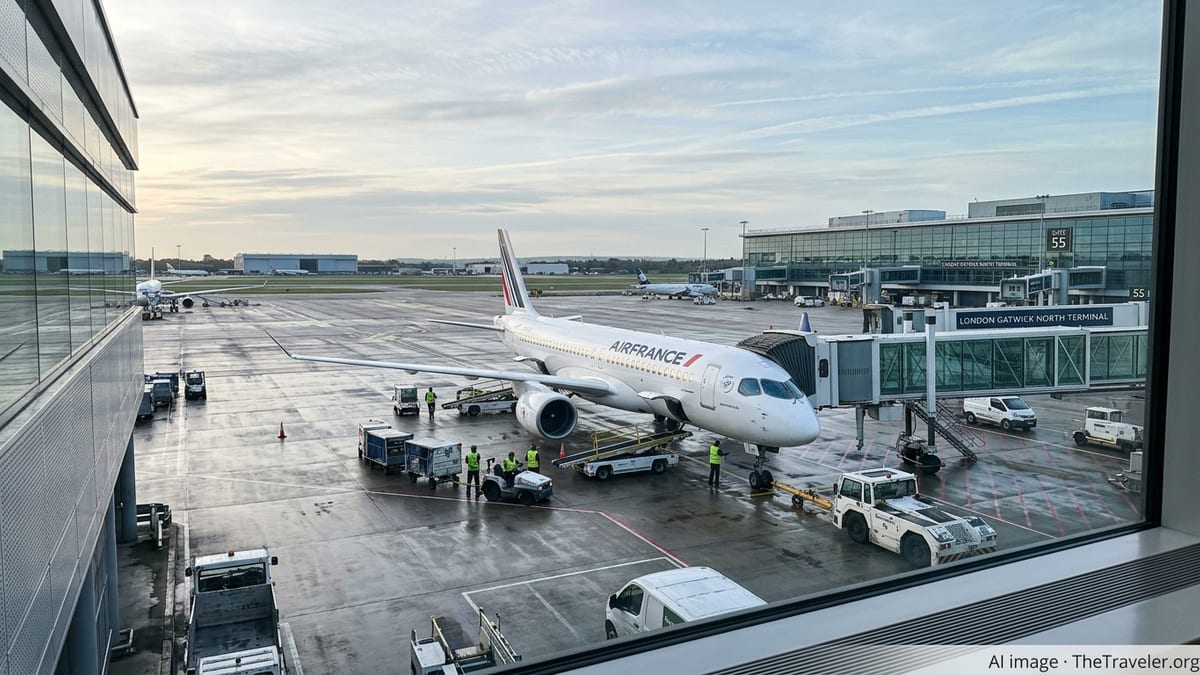
Knock on disruption from weekend storms
Operations at London Gatwick have been affected by severe thunderstorms that moved across southeast England over the weekend, which led to extensive holding patterns, diversions and lengthy waits for stands. Reports from recent days describe aircraft unable to depart because of weather related air traffic restrictions, in turn blocking stands for arriving flights and forcing further ground delays.
Published coverage over the weekend highlighted flights from both Heathrow and Gatwick being delayed for several hours as storm cells passed over the London area. Air traffic control placed limits on arrivals and departures at peak times for safety reasons, resulting in backlogs that could not be fully cleared before the end of the operating day. That disruption is now feeding into Monday’s schedule, with early rotation delays spreading through airline networks.
On Monday morning, publicly available flight information shows a mix of late departures and late arrivals at Gatwick rather than a single mass grounding. Many services are running but often departing 30 to 90 minutes behind schedule, especially on short haul routes that were already affected over the weekend. Travellers are being advised via airline channels to arrive on time but prepare for extended waits at the gate.
The unsettled weather pattern is also expected to continue through parts of Monday, which may trigger further short notice flow controls in the London airspace system. Even where skies appear clearer over the airport itself, residual storm activity along approach and departure paths can reduce the rate at which aircraft can safely land and take off, prolonging the knock on effect for passengers.
Extent of delays and cancellations so far
By late morning on Monday, June 29, the picture at Gatwick is characterised by widespread minor disruption rather than wholesale shutdown. Flight boards show dozens of services with revised times, particularly to popular holiday destinations in southern Europe, but only a relatively small number of outright cancellations. The pattern reflects airlines attempting to preserve as much of the schedule as possible while still working within crew duty and air traffic limits.
Individual carriers are updating passengers through apps and email alerts, often warning of likely delays even where departures remain scheduled. Some early morning departures left close to on time, but as the day progresses and delayed aircraft and crews cycle through their rotations, the risk of further slippage increases. Afternoon and evening services are therefore considered more vulnerable to rolling delays as today’s disruptions compound.
Available aviation data for recent weeks indicates that Gatwick has been operating at high utilisation during the busy early summer period, leaving limited spare capacity to absorb weather related disruption. Once the airport experiences several hours of constrained movements, the number of affected flights accumulates quickly. Even a modest level of cancellations can be enough to unbalance aircraft and crew positioning, which then ripples into the following day’s operations.
Travel forums and social media posts from passengers at Gatwick on Monday morning point to queuing at check in and security periods that are busier than normal for a weekday, though largely manageable. The primary frustration being reported is uncertainty over departure times rather than overcrowding inside the terminals, with many travellers spending extended periods waiting at the gate for updated information.
Airlines most affected and route patterns
Short haul leisure routes appear to be bearing much of the disruption at Gatwick on Monday, especially services to Mediterranean hubs that saw repeated delays over the weekend. Low cost carriers with tight aircraft turnarounds are particularly sensitive to weather related restrictions, as even brief ground holds can push rotations into crew duty time limits later in the day. Some airlines have already thinned their schedules slightly, consolidating lightly booked flights to free up slack in the system.
Long haul operations from Gatwick have so far been less heavily impacted in terms of outright cancellations, although many are departing behind schedule. Long range flights typically have more built in ground time at either end and are often prioritised in recovery plans because they carry large numbers of connecting passengers. Nevertheless, travellers on intercontinental services are still being advised to monitor departure boards closely and allow extra time for border control and security queues.
Reports from recent days have also highlighted ongoing uncertainty around particular long haul routes from Gatwick, with some newly launched services experiencing programme changes and cancellations. While these issues are not solely attributable to this week’s weather pattern, they add another layer of complexity for passengers trying to understand whether their flight is affected by operational decisions, broader schedule restructuring or the immediate storm related disruption.
Regional and domestic connections are experiencing mixed conditions, with some services operating close to schedule while others are delayed as they wait for incoming aircraft from storm affected parts of Europe. Because domestic flights are often used to position aircraft and crews, any disruption here can have a disproportionate effect on the wider network later in the day.
What passengers are experiencing at Gatwick
Accounts from travellers at Gatwick on Monday describe a stop start experience. Many passengers are making it through check in and security in reasonable time, only to find that boarding is paused or repeated calls are made asking them to remain close to the gate. In several cases, aircraft have boarded but then remained on the stand or at the holding point for extended periods while air traffic control spacing is adjusted or thunderstorms move through key parts of the route.
Some passengers whose flights were cancelled over the weekend are still working through rebooking options that have placed them on Monday departures from Gatwick. For these travellers, the latest round of delays is particularly unwelcome, as hotel stays and missed connections have already stretched travel plans. Comments shared online suggest that many are prioritising certainty over exact timings, accepting later flights if they appear more likely to operate as planned.
Within the terminals, operational teams are using standard contingency measures such as redirecting passengers between security lanes and opening additional check in desks at peak times. Publicly available information indicates that these steps are largely keeping queues moving, though boarding areas for popular sun routes remain crowded around traditional mid morning and late afternoon departure banks.
Ground handling challenges are also evident in reports of slow baggage delivery on some arriving services, a common side effect when aircraft are parked in non standard positions or when staff are stretched by repeated weather related delays. Passengers connecting to rail services from Gatwick are being advised by travel commentators to leave additional time between their scheduled arrival and any onward train reservations.
Advice for travellers using Gatwick today
For those flying from Gatwick on Monday, June 29, the most consistent message from travel bodies and passenger groups is to check flight status repeatedly before setting out and again on arrival at the airport. Schedules this week have shown a tendency to change at relatively short notice as airlines and air traffic control respond to evolving weather conditions and the accumulated impact of earlier delays.
Passengers are being encouraged to use airline apps and text alerts where available, as these channels are often updated more quickly than static display boards. Keeping contact details current in airline bookings can help ensure travellers receive notifications of gate changes, estimated departure times and any need to rebook if a flight is cancelled. Those already at the airport are also advised to pay close attention to public address announcements and information screens, which may carry instructions to board earlier than expected when short weather windows open.
Travel planning advice circulating on consumer and transport forums suggests building in generous buffers for any same day connections, whether by air or rail. With delays running at anywhere from 30 minutes to several hours on some routes, particularly those aligned with storm activity, tight onward connections are considered risky. Where possible, flexible tickets and refundable bookings are being recommended for onward ground travel.
Looking ahead, forecasts indicate that weather across southern England may remain changeable in the short term, raising the prospect of further sporadic disruption at Gatwick and other London airports. While Monday’s situation is not as severe as a complete shutdown, the combination of lingering thunderstorms, high seasonal traffic levels and tight airline schedules means that travellers should be prepared for continued uncertainty across the rest of the day.