


More news on this day
Passengers using London Gatwick on Saturday, July 18 face another day of disruption, with delays and cancellations following a week of operational strain, just as the airport pushes ahead with plans for a new robotic car parking system ahead of the main summer getaway.
Get the latest news straight to your inbox!
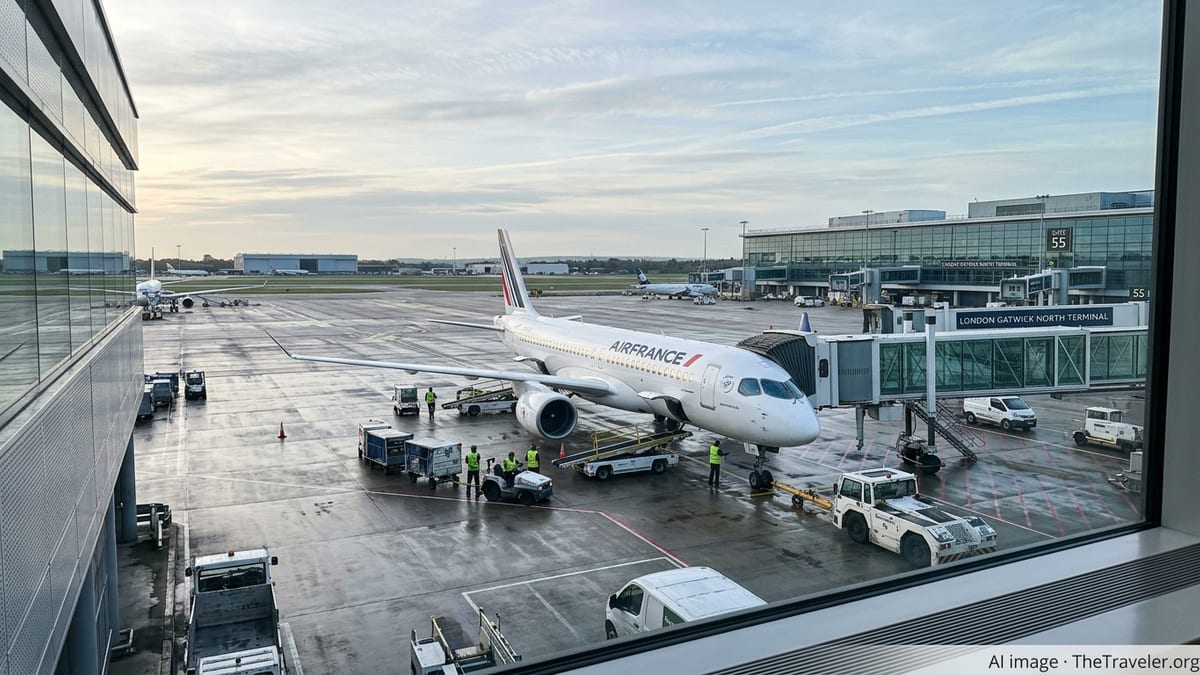
Delays and cancellations as summer peak approaches
Published data for London Gatwick’s Saturday schedule indicates a busy day of operations, with several flights already showing delays and a small number of cancellations as the morning peak builds. The pattern follows a turbulent week for the airport in mid July, when a runway incident and resulting air traffic congestion led to widespread disruption and diversions across the network.
Tracking services and live departure boards on Saturday morning show knock on delays affecting both short haul and leisure routes, particularly early departures following aircraft that were out of position after earlier disruption. While the majority of flights remain scheduled to operate, passengers are being advised through airline channels to allow extra time and to monitor their flight status up to the point of departure.
The latest disruption comes shortly before the main school holiday exodus from the United Kingdom, a period that traditionally brings some of the heaviest traffic of the year to Gatwick. Earlier in the summer, thunderstorms and air traffic control restrictions around London contributed to multi hour delays and a high volume of schedule changes at both Gatwick and Heathrow, setting a challenging backdrop for the peak travel season.
Publicly available traffic statistics for the airport in 2026 show that flight volumes have returned close to pre pandemic levels, with weekend days in July among the busiest of the year. That concentration of demand means even relatively short operational interruptions, such as weather related holding patterns or a blocked runway, can take many hours to unwind and may affect services throughout the day.
Recent runway incident highlights fragility of operations
This weekend’s performance follows a high profile incident in the week leading up to Saturday, when an arriving aircraft experienced a technical problem after landing, resulting in a blocked runway and a temporary suspension of landings. Aviation tracking platforms recorded multiple inbound aircraft declaring emergencies due to low fuel as they were diverted away from Gatwick during the closure period.
According to published coverage and community flight tracking forums, a British Airways service experienced nose wheel steering issues after landing, requiring the aircraft to be attended by emergency vehicles and classified as a ground incident. While there were no reports of injuries, the event left the runway unusable for a period, triggering a cascade of diversions and delays for other airlines as aircraft held or were rerouted to airports such as Bristol.
The episode underlined how reliant Gatwick is on its single main runway during normal operations. Even short interruptions, combined with tight scheduling and busy airspace over southeast England, can leave aircraft and crews out of position for subsequent rotations. The after effects of such an event can be seen on following days, as airlines rebuild schedules and slot times are adjusted to accommodate displaced aircraft.
Travel industry observers note that this fragility places a premium on operational resilience at Gatwick, particularly during the summer getaway when load factors are high and spare capacity is limited. Passengers booked to travel on the first busy Saturday of the school holidays are therefore being urged, in airline and airport guidance, to factor in the potential for knock on disruption when planning connections and onward travel.
Airport prepares for summer getaway pressures
Gatwick’s consultative and planning documents published over the past two years highlight the extent to which the airport has been planning for sustained growth in passenger numbers and aircraft movements through the mid 2020s. Reports submitted to local stakeholders describe a pattern of strong leisure demand, with traffic peaking in late July and August and a corresponding strain on terminal, security and car park capacity during those periods.
In previous summers, Gatwick’s car parks have reached occupancy levels above ninety per cent on the busiest days, reflecting the airport’s heavy reliance on drive up and pre booked parking for holiday traffic. Meeting papers from the airport’s consultative committee describe the 2024 season as one of the busiest ever for parking, with particular pressure on mid and long stay facilities close to the North Terminal.
For 2026, publicly available information suggests that Gatwick and its airline partners have focused on maintaining as much schedule resilience as possible ahead of the summer peak. This includes working with air traffic management to smooth peak departures, as well as expanding ground handling and security capacity. Even so, travel forums and consumer groups continue to warn that peak weekends are vulnerable to congestion, especially if compounded by weather or staffing shortages.
Passengers departing on Saturday, July 18 and over the following weekends are therefore being encouraged, in widely available travel guidance, to arrive early within airline check in windows, to use online services where possible, and to prepare for extended queues at busy times. For those connecting to cruises or onward travel, commentators stress the importance of allowing generous buffers or even overnight stays in the Gatwick area to mitigate the risk of delays.
Robotic car parking plans move forward
Alongside the immediate challenge of keeping flights running smoothly, Gatwick is progressing longer term changes to its ground infrastructure, including a shift toward robotic car parking. Planning and financing documents released by the airport outline a programme to develop automated parking systems, initially around the existing North Terminal car parks, with the aim of increasing capacity and reducing congestion.
According to these documents, Gatwick has been trialling a system in which passengers leave their vehicles in designated reception bays, where robotic units then lift and move the cars into tightly packed storage areas without the need for human drivers. Because vehicles do not require door opening space once parked, the technology allows more cars to be stored within the same footprint, potentially easing pressure on valuable land close to the terminals.
The concept was first explored through a limited trial earlier in the decade and is now referenced in the airport’s broader Northern Runway and surface access plans as a way to support expected passenger growth. Financial prospectuses linked to Gatwick’s funding streams describe robotic parking as part of a wider modernisation of car park infrastructure, with the goal of improving both capacity and customer experience over the coming years.
Industry analysts note that, if fully deployed, robotic parking could help reduce the need for remote surface lots and shuttle buses, cutting internal traffic movements around the airport and making drop off and pick up areas less congested. For passengers, the system is presented as a premium, pre booked service that shortens the time between arrival at the airport boundary and entry into the terminal.
What passengers should know this weekend
For travellers using Gatwick on Saturday, July 18, the immediate concern remains the possibility of delays or schedule changes after a week of operational challenges. Flight tracking data and airline advisories indicate that while the majority of services are running, some passengers are facing extended journey times and the potential for missed connections, especially where earlier diversions or aircraft rotations have disrupted normal patterns.
Consumer travel organisations are advising passengers to check their flight status repeatedly on the day of travel, including just before setting out for the airport, and to keep airline apps or boarding passes updated in case of gate changes or rebookings. For those driving, pre booked parking is being recommended as a way to secure a space during the busy holiday period, particularly as new infrastructure such as robotic parking is still being phased in and may not yet be available on a widespread basis.
Looking slightly ahead, Gatwick’s investment in car park automation and runway capacity is designed to support continued growth in leisure travel from the London and South East catchment. However, the events of recent weeks illustrate that even as infrastructure modernises, day to day resilience will continue to depend on factors such as weather, air traffic management and aircraft reliability.
As the summer getaway gathers pace, passengers flying through Gatwick are being encouraged by widely shared travel guidance to build extra time into their journeys, consider travel insurance that covers disruption, and remain alert to the evolving operational picture at one of Europe’s busiest single runway airports.