


Long Beach Island, or LBI as locals call it, is an 18‑mile barrier island off the Jersey Shore that feels built for slow mornings, sandy afternoons, and low‑key nights. Instead of noisy boardwalk rides and rows of motels, you will find family cottages, small neighborhood business districts, and wide beaches where the loudest sound is the surf. This guide walks through the island’s distinct towns, standout beaches, and real local experiences so you can plan a weekend escape or a full summer stay with confidence.
Get the latest updates straight to your inbox!
Getting Oriented: How LBI Works
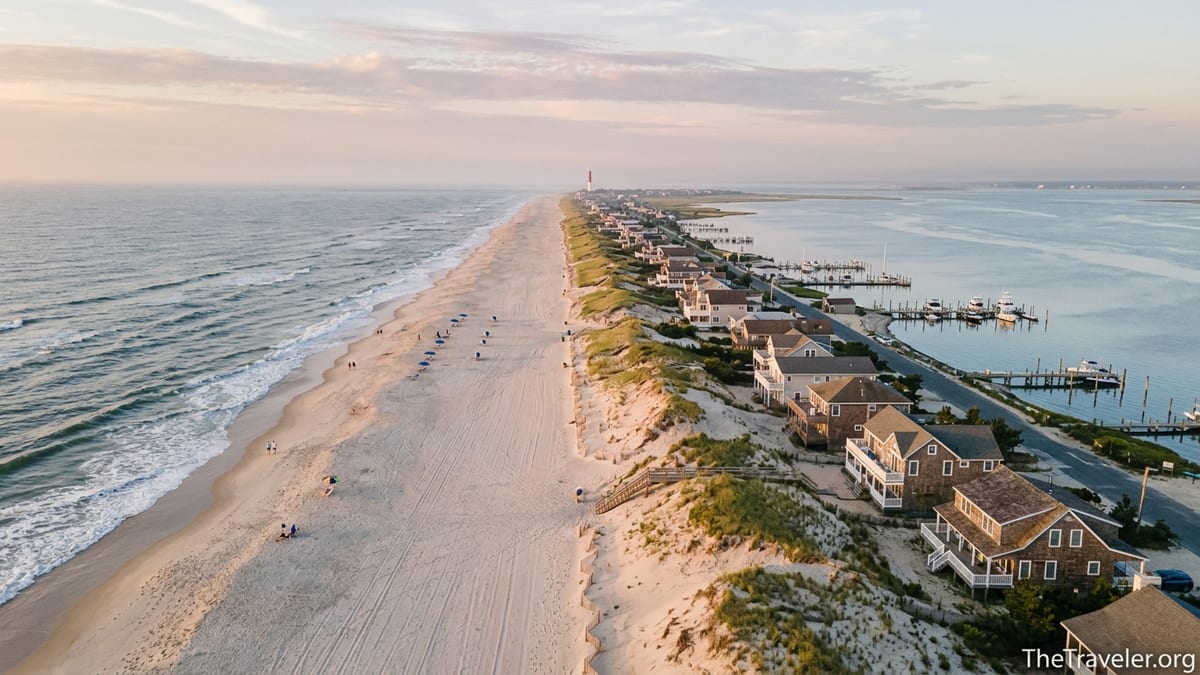
Long Beach Island runs roughly north–south between Barnegat Inlet and Little Egg Inlet, with the Atlantic Ocean on one side and Barnegat Bay on the other. A single road, Long Beach Boulevard, forms the spine of the island. Every town, from Barnegat Light at the northern tip to Beach Haven in the south, is arranged off this boulevard, generally with numbered streets running from the bay to the ocean. Once you understand that everything is either “bay side” or “ocean side” of the boulevard, finding your way around becomes easy.
There are six municipalities on LBI: Barnegat Light, Harvey Cedars, Surf City, Ship Bottom, Long Beach Township, and Beach Haven. Each has its own beach badge rules and slightly different personality. Barnegat Light and Harvey Cedars are quieter and more residential. Surf City and Ship Bottom feel like classic shore towns with small business districts, ice cream shops, and casual restaurants. Long Beach Township stretches across several sections, including Brant Beach, Beach Haven Crest, and Holgate. At the southern end, Beach Haven has the densest cluster of hotels, motels, and attractions, including Fantasy Island Amusement Park and Bay Village, which many families treat as their evening hub.
Most visitors arrive by car via Route 72 over the causeway bridge from Manahawkin. In summer, traffic can back up before the bridge on Saturday changeover days. Some budget‑minded travelers pair NJ Transit to Toms River or Atlantic City with a rideshare or local shuttle into Manahawkin, but there is no direct rail line or traditional boardwalk tram. Once on the island, you can ditch the car: bikes are popular, and the seasonal LBI Shuttle runs along the boulevard, typically from late spring through early fall, for a small per‑ride fee or a modestly priced season pass.
LBI is very much a beach‑badge destination. In summer, most oceanfront beaches require paid badges for anyone over about age 12. Exact prices and dates change by municipality, but you can expect to pay a reduced rate if you buy seasonal badges pre‑season, a mid‑range fee for in‑season seasonals, and lower daily or weekly options if you are only around for a short stay. Many towns now let you purchase and store badges through an app such as My Beach Mobile, while still selling them at beach badge kiosks and municipal offices.
The Best Towns to Stay: From Quiet Corners to Classic Shore Vibes
Picking the right LBI town is the most important decision you will make when planning your trip. The island is only 18 miles long, but your immediate neighborhood shapes your daily rhythm. If you want an unplugged escape with early nights, you will have a different experience than a group seeking restaurants, bars, and mini golf within a five‑minute walk.
At the northern tip, Barnegat Light feels almost like a separate world. Streets are wider, houses are spaced farther apart, and the vibe leans toward long‑time homeowners and extended‑family rentals. If you rent a house on the bay side near 8th or 9th Street, expect to walk or bike fifteen minutes to the ocean, but you gain glorious sunset views over the bay and easy access to Viking Village’s commercial fishing docks and small cluster of shops. This end of the island works well for travelers who like early‑morning walks, birding, and less crowded beaches, especially in July and August.
Moving south, Harvey Cedars and Loveladies continue the quieter theme, but with more high‑end bayside homes with private docks. Many families who have outgrown noisier boardwalk towns choose these sections for their relaxed side streets and small‑scale commercial areas. You might grab coffee and a breakfast sandwich at a corner market, stroll to a family‑owned restaurant for dinner, then end the night on your rental’s deck rather than at a bar.
Surf City and Ship Bottom are ideal if you want a walkable “small town” feel. Surf City’s central blocks cluster takeout seafood spots, pizza places, and boutiques close enough that you can park the car for days. A bay‑side rental on, for example, 15th Street in Surf City might put you a ten‑minute walk from both the bay and the ocean, plus an ice cream shop you can send older kids to on their own. Ship Bottom, which greets everyone coming off the causeway, has a bit more traffic but also convenient motels, delis, surf shops, and access to the LBI Shuttle. People often choose Ship Bottom for short weekend trips because you can be on the beach within minutes of arriving on the island.
At the southern end, Beach Haven offers the most “vacation town” atmosphere. Here you find bayfront restaurants with outdoor decks, nightlife that runs later than elsewhere on the island, Fantasy Island Amusement Park with its retro carousel and small‑scale thrill rides, and a dense cluster of motels and rental homes. If you want to park your car and spend three days walking from your motel to the beach, then to an amusement park, then to dinner and mini golf, Beach Haven is your best bet. The trade‑off is that beaches here are busier in peak months, and restaurant waits on July and August evenings can stretch past an hour.
Finding Your Perfect Beach: Surf Spots, Family Bays & Wild Dunes
LBI’s beaches share the same soft sand and Atlantic waves, but the experience shifts dramatically from town to town. Families with young children often prefer areas with gentle slopes and lifeguard stands close to street entrances, while surfers and anglers look for designated areas with more space and less crowding. Beach conditions change year to year, as dune replenishment and storms reshape entrances and sandbars, so it pays to check what current visitors are saying as you plan.
For traditional oceanfront days with lifeguards, Ship Bottom, Surf City, and Long Beach Township’s central sections (like Brant Beach and Beach Haven Crest) are safe bets. Lifeguards generally staff stands between late June and Labor Day, and many towns designate specific surfing beaches with blue flags where boards are allowed in the water during guarded hours. A typical day might see families setting up umbrellas near the guarded swim zone, teens rotating between body‑surfing and spikeball, and surfers catching sets a few blocks away at a designated surf beach.
If you are traveling with very young children or anyone uneasy in waves, the bay beaches are worth a special trip. Harvey Cedars and Brant Beach each maintain small bayfront swimming areas with gentle water, sandy or grassy edges, and minimal current. Parents often bring folding chairs, water shoes, and a cooler, then let toddlers wade in water that barely reaches their knees. You will occasionally see families spending the hotter afternoon on the bay, then heading over to the ocean for an hour of surf and a sunset walk.
At the far southern end in Holgate, part of Long Beach Township borders a wildlife refuge area. Here the dunes and beaches feel wilder, and in the shoulder seasons you can often walk long stretches with few other people around. This area can be popular with surf anglers in the off‑season and birders year‑round. Road access and exact walking routes can shift based on erosion and conservation rules, so it is wise to check township notices or ask a local tackle shop about current access before planning a day here.
Local Food & Nightlife: From Dockside Seafood to Ice Cream Lines
LBI’s food scene leans heavily on seafood shacks, old‑school Italian joints, and bakeries that have been turning out crumb buns and cinnamon rolls for generations. Dress codes are informal. It is common to see families show up for early dinners in shorts and sandals after a quick rinse at an outdoor shower. Many spots are BYO, so ask ahead and plan a stop at a local liquor store if you want wine with dinner.
On any summer evening, you will see lines outside island‑favorite ice cream stands and bakeries. A typical routine might be to grab fried flounder, scallops, and fries from a takeout seafood market, eat at a picnic table on the bay, then drive or bike to a popular ice cream shop where kids debate between mint chip and soft‑serve twists. Coffee culture is also strong. Ship Bottom, Surf City, and Beach Haven all have independent coffee shops where you can pick up cold brew and a pork roll, egg, and cheese sandwich before a morning on the sand.
For travelers who treat dinner as the nightly anchor of the day, Beach Haven offers the densest concentration of options, from white‑tablecloth seafood restaurants to casual pubs with live music. In high season, expect waits of 45 to 90 minutes at the most talked‑about spots between 6 and 8 p.m., which is why many families adopt a “late lunch, early dinner” strategy, eating a big meal mid‑afternoon before returning to the beach for a cooler sunset session.
LBI is not a party island in the way some shore towns are. Bars exist, mostly in Beach Haven and a handful of other commercial clusters, but they trend toward small local taverns, outdoor decks with acoustic music, and restaurants with lively bars rather than large nightclubs. This is a destination where evenings skew toward mini golf, arcade games, and slow walks on the bayfront watching the last charter boats come in, not club lines and late‑night noise.
Authentic Local Experiences You Should Not Miss
What makes LBI memorable are the rituals that locals and long‑time visitors repeat each summer. One of the most iconic is a visit to Barnegat Lighthouse State Park at the island’s north tip. Many visitors climb the lighthouse steps for sweeping views of Barnegat Inlet, the Atlantic, and the rooftops of Barnegat Light. Even if you skip the climb, the park’s jetties and short walking trails offer a different perspective than the straight oceanfront beaches. You can watch charter fishing boats passing through the inlet, scan for seals and dolphins in cooler months, and explore the historic displays near the base of the lighthouse.
Seasonal festivals give a window into the island’s fishing and arts communities. Viking Village in Barnegat Light hosts events such as antique and collectible shows and seafood‑focused markets where local commercial fishing boats unload their catch just steps away. In Beach Haven and nearby towns, annual chowder festivals have long celebrated regional clam chowders and seafood recipes, drawing both restaurant chefs and home cooks. Checking the current events calendars at local organizations and visitor sites before your trip can help you line up a weekend that includes a seafood fest, art fair, or outdoor concert.
The Long Beach Island Foundation of the Arts & Sciences, based in Loveladies, runs a busy schedule of art exhibitions, hands‑on workshops, and family days across spring, summer, and fall. A typical visit might include browsing a juried art show, letting kids try a quick drop‑in ceramics project, and walking the nearby bayfront trails to learn about the local ecosystem. During peak season, they often host larger events like film screenings or house tours that give visitors rare access to unique shore homes and studios.
Out on the water, experiences range from simple to specialized. You can rent paddleboards or kayaks from bayfront outfitters in towns like Surf City and Beach Haven and head out for an hour on the calm bay. Families often time rentals for early morning or late afternoon when winds are lighter and the sun less intense. Anglers can book half‑day charters that depart from marinas in Barnegat Light or Beach Haven, targeting fluke, sea bass, and other in‑season species. Surf schools offer group and private lessons where beginners spend two hours learning to paddle and stand, typically on gentle sandbars near designated surf beaches.
Practical Tips: Getting Around, Costs & When to Visit
Summer traffic and logistics can shape your experience on LBI as much as sunshine does. On peak Saturdays in July and early August, delays on Route 72 approaching the causeway can add 30 to 60 minutes to arrival times, especially in the late morning and early afternoon. Many repeat visitors either arrive late Friday night, very early Saturday morning, or shift rentals to Friday‑to‑Friday cycles when that is an option. Grocery stores in Manahawkin become extremely crowded on peak changeover days, which is why some travelers pick up essentials at home and then do a larger shop early Sunday instead.
Once on the island, driving is straightforward but slow. Speed limits on Long Beach Boulevard are low and strictly enforced, and crosswalks are busy with families and cyclists. The free or low‑cost LBI Shuttle runs up and down the island in summer, usually from late afternoon into late evening, with more frequent service in July and August. Riders wave the shuttle down at marked stops, pay a small per‑ride fee or show a pass, and hop off near their beach street or dinner spot. For short hops within one town, bikes are more convenient. Many rentals include a couple of bikes, and local shops rent beach cruisers by the day or week.
Accommodation costs vary widely. A waterfront single‑family rental in Loveladies during prime weeks may run into the high four or low five figures for a Saturday‑to‑Saturday stay, while a small roadside motel room in Beach Haven in June or September might be priced closer to a few hundred dollars per night. Shoulder seasons from late May to mid‑June and again after Labor Day often offer the best balance of lower rates and pleasant weather. Some motels advertise midweek specials in June or September, which can be a good fit for couples or retirees with flexible schedules.
Weather on LBI is typical Mid‑Atlantic coastal. July and August are hot and humid, with ocean temperatures warm enough for long swims. Sea breezes often make the beach feel cooler than inland New Jersey on the same day. June and September tend to bring milder temperatures and fewer crowds, with water warm enough for most swimmers by late June. Peak hurricane season runs late summer into early fall; while direct hits are uncommon, tropical systems can bring heavy surf, rip currents, and occasional coastal flooding, so travel insurance that covers weather disruptions is worth considering.
Planning a Sample Day: How Locals Actually Spend Their Time
To understand how LBI works in practice, imagine a typical July day based in Surf City. You wake early, walk three blocks to a neighborhood bakery for coffee and a bag of crumb cake, and carry breakfast back to your rental’s porch. By 9 a.m., you and the kids are on the beach with chairs, an umbrella, and a small cooler packed with sandwiches and fruit. Lifeguards set up their stand, and older children roam semi‑independently between your spot and the water, checking in regularly.
By early afternoon, the sun feels intense, so you head back to the house for showers and a break in the air‑conditioning. Around 3 p.m., you drive or bike to a bayfront park where the kids can crab off the bulkhead with handlines and chicken backs while adults read in the shade. Later, you pick up a large takeout order at a seafood market, including steamed clams, grilled fish, and corn on the cob, and eat on picnic tables overlooking the bay.
As golden hour hits, you drive ten minutes down the boulevard to Beach Haven. You stroll through Bay Village’s cluster of shops, letting kids spend their souvenir money on sweatshirts and saltwater taffy, then walk across the street to Fantasy Island Amusement Park. Younger children ride the carousel and small kiddie rides while teens head for the classic arcade games and small coasters. By the time you drive back to Surf City, the streets are quiet, and you end the night on the deck listening to distant waves and the occasional siren from the volunteer fire company.
In the shoulder seasons, that same day looks different. A September visit might center around long beach walks, a stop at the Long Beach Island Foundation for an art exhibit, and a dinner reservation at a restaurant that would be fully booked in July but is easy to access midweek. Cooler evenings invite hoodies and blankets on the deck rather than late‑night ice cream lines, and you may find yourself chatting with year‑round residents at coffee shops instead of jostling with peak‑season crowds.
The Takeaway
Long Beach Island is a place where the basics are simple and the details matter. The basics are easy: soft sand, reliable lifeguarded beaches, a family‑oriented atmosphere, and a lack of high‑rise hotels or intense nightlife. The details are what shape your personal version of LBI. Choose a quiet northern town, and your memories will be of early‑morning lighthouse views and long, empty beach walks. Base yourself in Surf City or Ship Bottom, and you will remember strolling to coffee, hopping on the shuttle, and biking to a different ice cream stand every night. Stay in Beach Haven and the glow of amusement rides and bayfront decks at sunset will define your trip.
However you design your visit, plan ahead for beach badges, traffic, and restaurant waits, but leave room for unscripted hours. Some of the island’s best moments are the unplanned ones: watching a sudden pod of dolphins cruise parallel to the shore, listening to a local musician playing on a small outdoor stage, or lingering on a bayside bench long after the sky has faded from pink to deep blue. LBI rewards those who slow down, return to the same streets more than once, and let daily rituals turn into traditions.
FAQ
Q1. When is the best time of year to visit Long Beach Island?
The most popular time is late June through August, when lifeguards, shuttles, and most seasonal businesses are fully operating. For fewer crowds and often lower accommodation prices, consider late May to mid‑June or the weeks after Labor Day, when water can still be warm but traffic and restaurant waits are lighter.
Q2. Do I really need a beach badge, and how do I get one?
Most LBI municipalities require paid beach badges for oceanfront access in summer for anyone over roughly age 12. You can usually buy daily, weekly, or seasonal badges at town beach offices, staffed beach entrances, or through mobile apps promoted by each municipality. Rules and prices change by town and season, so check current details before arrival or on your first day.
Q3. Is Long Beach Island good for families with young children?
Yes. LBI is known for its family‑oriented atmosphere, with lifeguarded beaches, small‑scale amusements, mini golf, and bayfront parks. Families with toddlers often split time between calm bay beaches and the ocean, and many rentals come with outdoor showers, porches, and grills that make it easy to keep bedtime routines even while on vacation.
Q4. Do I need a car on LBI, or can I rely on shuttles and bikes?
You can get by without a car if you stay in a walkable town such as Beach Haven, Surf City, or Ship Bottom and plan to remain mostly in that area. The seasonal LBI Shuttle and bikes can cover many needs. However, having a car makes it easier to explore different towns, visit the lighthouse in Barnegat Light, or reach grocery stores and marinas on your own schedule.
Q5. What are typical costs for a week on LBI?
Costs vary widely. A modest bayside motel room in June or September may run a few hundred dollars per night, while a large oceanfront house in peak July weeks can cost several thousand dollars for the week. Daily expenses include beach badges, meals out or groceries, and optional extras like mini golf, amusement rides, and water rentals. Many visitors manage costs by mixing restaurant dinners with home‑cooked meals and free beach time.
Q6. Are there nightlife or bar options, or is everything quiet after dark?
LBI tends to be quiet compared with some other Jersey Shore destinations, but there are bars, taverns, and restaurants with active bar scenes, especially in Beach Haven. Expect live music on outdoor decks, casual taverns, and restaurant bars rather than large nightclubs. Many evenings revolve around ice cream runs, mini golf, and sunset walks rather than late‑night partying.
Q7. What should I pack for a typical summer stay?
Pack beach basics such as swimsuits, rash guards, sunscreen, hats, and flip‑flops, along with a light hoodie or windbreaker for cooler evenings near the water. Many rentals supply beach chairs and umbrellas, but not all, so confirm before you arrive. A small soft cooler, reusable water bottles, and beach games like paddleball or spikeball can make long days on the sand more comfortable.
Q8. Is Long Beach Island accessible for visitors with limited mobility?
Accessibility varies by town and individual beach entrance. Some municipalities provide beach‑wheelchair programs, accessible ramps, and bayfront parks with level paths. The seasonal shuttle typically uses accessible vehicles, and several motels and larger rental buildings offer ground‑floor or elevator‑served units. If accessibility is a priority, contact your chosen town or accommodation directly in advance to ask about specific features.
Q9. What happens on LBI in bad weather or on cooler days?
On rainy or windy days, visitors often shift to indoor or low‑key activities. Options can include browsing local shops and bookstores, visiting the Long Beach Island Foundation for art exhibits or workshops, exploring Barnegat Lighthouse’s interpretive displays, or taking scenic drives along the boulevard to see different neighborhoods. Many restaurants and cafes become social hubs during storms.
Q10. How far in advance should I book accommodations for peak summer?
For prime weeks in July and early August, especially for multi‑bedroom rentals or oceanfront properties, many families book six months to a year in advance. Smaller motels and last‑minute house rentals do exist, but choice narrows sharply as summer approaches. For shoulder seasons in June and September, you can often book closer to your travel date, though popular weekends and festival dates still fill early.